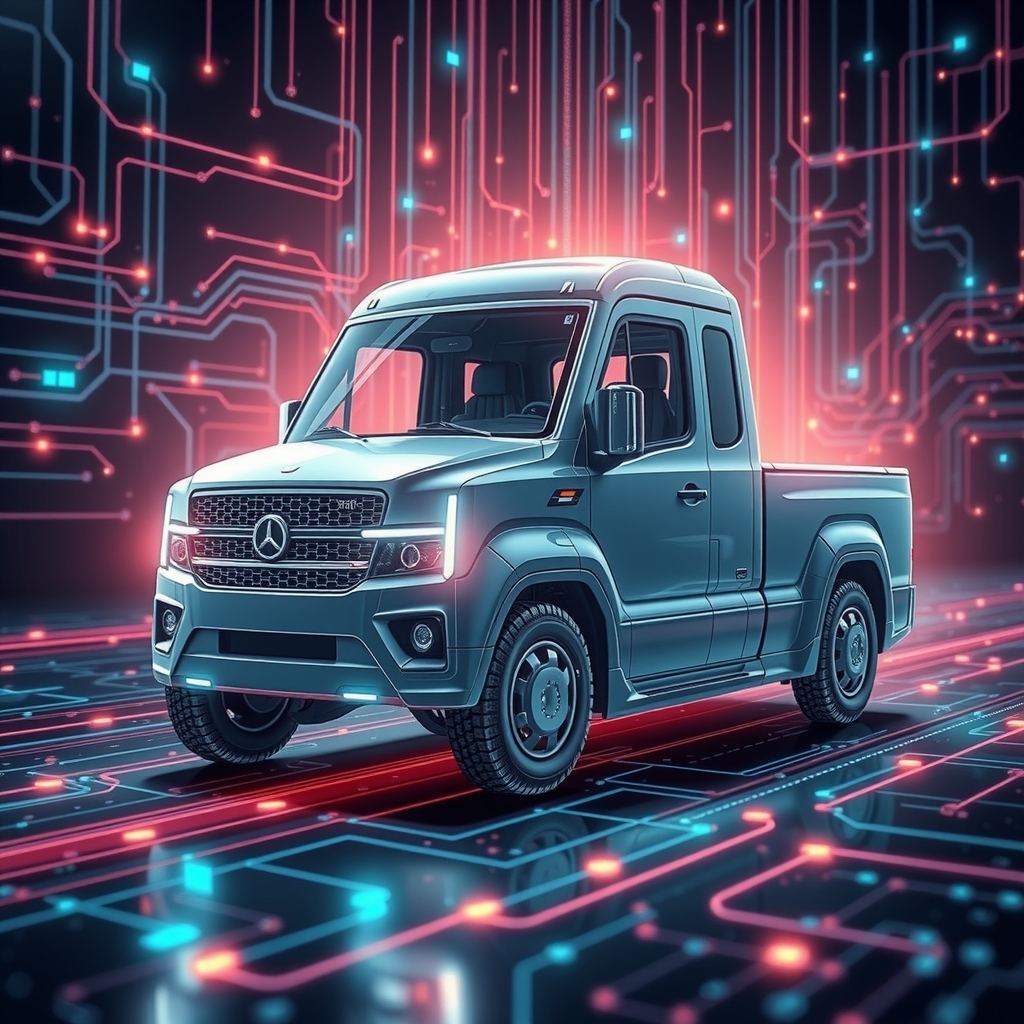
Slate Auto, backed by $1.4 billion of investor capital, announced that its two-door electric pickup will begin deliveries in late 2026 at a base price under $25,000. The model’s 65 kWh lithium-iron-phosphate (LFP) battery delivers up to 205 miles per charge, a deliberate move to undercut the $50,000-plus price tag that dominates today’s U.S. EV market.
Why price matters now
Electric-vehicle sales still account for less than 10 % of new-car purchases in the United States, and most potential buyers cite cost as the primary barrier. The average new-vehicle price hovers around $50,000, a figure that places most EVs out of reach for the median household. By pricing its truck at roughly half that level, Slate aims to make electric propulsion a realistic option for a broader swath of consumers, not just the affluent or the eco-enthusiast.
A design built for everyday trips
American drivers rarely need the longest-range figures manufacturers flaunt. Studies show that nearly 90 % of personal trips are under 20 miles, and the typical daily commute stays below 35 miles. Slate’s 205-mile range therefore satisfies the majority of use cases—city runs, suburban errands, and short work-site hops—while keeping the battery pack small enough to avoid the cost premium of larger cells.
The truck’s minimalist philosophy extends beyond range. It drops power windows, automatic climate control, and other comfort features that add weight and expense. Instead, it offers hand-crank windows and a bare-bones interior, letting buyers add optional upgrades such as Bluetooth audio only if they choose. This “pay-for-what-you-use” approach mirrors the aftermarket culture of classic pickups, but with an electric twist.
How the market is reacting
Ford’s electric F-150 Lightning illustrates the perils of premium pricing. Launched at $40,000 in 2022, the Lightning’s base price climbed past $54,000 by its final model year, prompting a slump in orders. Slate’s low-cost strategy seeks to avoid that trap entirely. The company announced a factory capacity of 100,000 units, positioning it to serve a segment that current incumbents have largely ignored.
The timing aligns with a broader shift abroad. In China, EVs and plug-in hybrids already represent about half of new-car sales, and the average range on those vehicles sits near 247 miles—well below the U.S. average of 329 miles. Slate’s 205-mile figure fits comfortably within that global norm, suggesting that American consumers may be ready for a similar compromise between range and price.
Risks and criticisms
Not everyone is convinced that a stripped-down pickup can win mass appeal. Critics note that a 205-mile range leaves little margin for drivers who need to travel longer distances regularly, especially in regions with sparse charging infrastructure. The lack of power windows and other conveniences may also deter buyers accustomed to modern comforts, limiting the truck’s appeal to a niche of utility-first shoppers.
Furthermore, the $1.4 billion funding round—including backers such as Jeff Bezos—does not guarantee that Slate can sustain production at scale. Manufacturing an affordable EV requires tight cost control, a stable supply chain for LFP cells, and the ability to meet safety and emissions standards without the economies of scale that established automakers enjoy.
What’s next
Slate plans to start shipping pre-ordered trucks in the final quarter of 2026, with the first batch slated for the U.S. market. Production will ramp up to the 100,000-vehicle annual target as the company refines its assembly line and expands its dealer network. Meanwhile, Ford has signaled its own entry into the budget-EV space with a small electric truck projected to start around $30,000 in 2027, setting up a direct price competition.
Watch for the following indicators over the next twelve months:
- Supply-chain health: Availability of LFP batteries at scale will be a make-or-break factor.
- Charging network growth: Expansion of fast-charging stations in suburban and rural corridors could make the 205-mile range more palatable.
- Consumer response: Early-buyer satisfaction scores and resale values will reveal whether minimalist features are a selling point or a deterrent.
Bottom line
If Slate Auto can deliver a reliable, sub-$25,000 electric pickup that meets the everyday mileage needs of most Americans, it could force the whole industry to reconsider the premium placed on range and luxury. The gamble is whether enough drivers will accept a spartan cabin and modest range in exchange for a price that finally brings electric trucks into the mainstream.