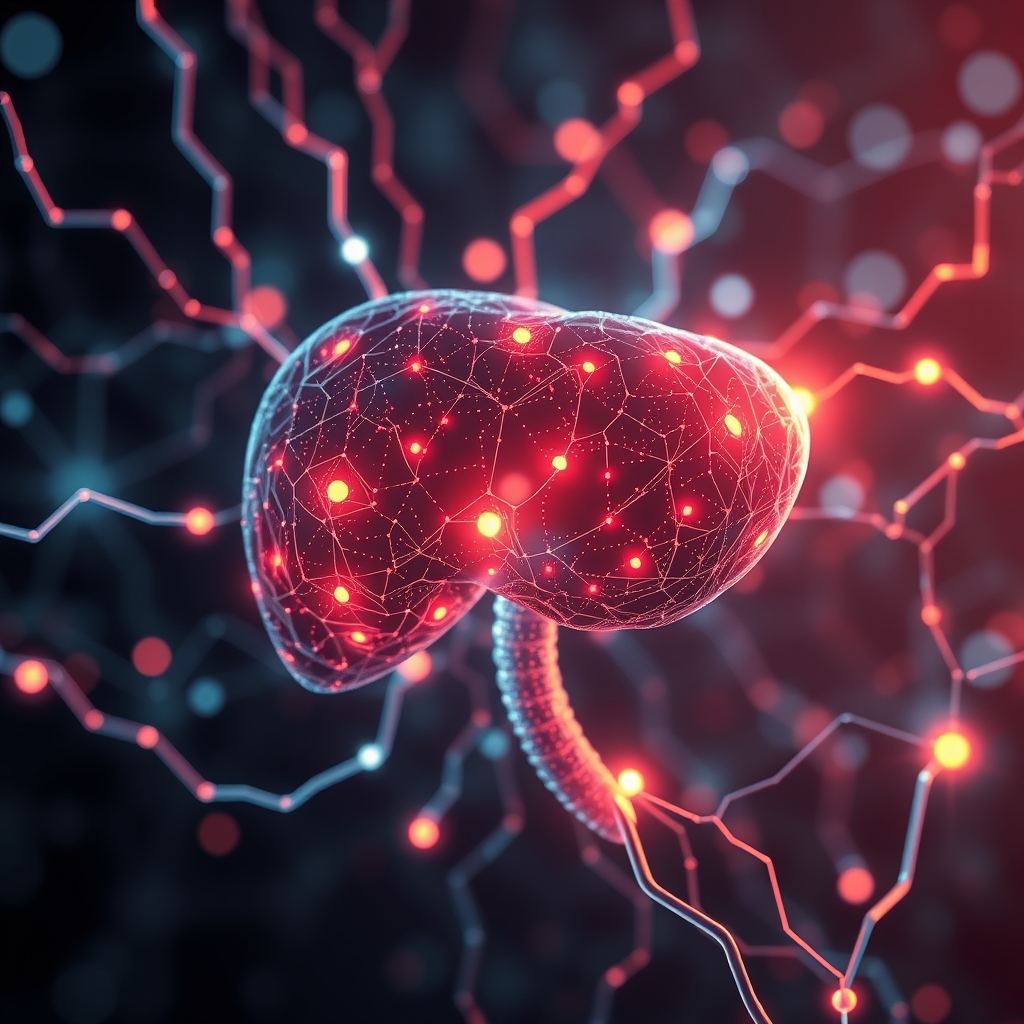
Engineered Mini Livers: A Breakthrough Injection for Liver Failure
Scientists have developed a revolutionary way to treat liver failure using injectable "mini livers" that could bypass the need for invasive organ transplants. By utilizing microfluidic technology to create specialized cell clusters, this method offers a life-saving alternative for patients who are too frail for major surgery.
The Science of Hydrogel Microspheres
Led by Professor Sangeeta Bhatia, researchers have spent a decade perfecting a method to introduce functioning hepatocytes—the specialized cells responsible for blood clotting, drug metabolism, and bacterial removal—directly into the body. The core of this innovation lies in a microfluidic device used to generate hydrogel microspheres of uniform shape and size.
These microspheres possess unique rheological properties: they behave like a liquid when closely packed, allowing them to be administered easily through a standard syringe. Once injected into the body, they regain their solid structure, creating a stable, localized niche for the hepatocytes to thrive. This prevents the cells from dispersing and ensures they form essential connections with the host's existing blood vessels.
Bridging the Gap to Transplantation
In recent studies, these engineered grafts were injected into the fat tissue of a mouse's abdomen. The results were highly promising, with the cells remaining viable for at least two months. During this period, the mini livers successfully produced the vital enzymes and proteins typically manufactured by a healthy human liver.
According to lead author and MIT postdoc Vardhman Kumar, this technology serves a dual purpose. It can act as a standalone alternative to traditional surgery for certain patients, or more importantly, as a "bridge to transplantation." This means the grafts can provide critical metabolic support, keeping a patient stable until a donor organ becomes available.
Overcoming the Immune Barrier
While the technology marks a massive leap forward, challenges remain regarding the host's immune response. Currently, patients receiving these cells would likely require systemic immunosuppressive drugs to prevent rejection. However, the research team is already exploring advanced integration strategies.
Potential solutions include engineering the hepatocytes to evade immune detection or utilizing the hydrogel microspheres themselves as delivery vehicles for localized immunosuppressants. By delivering medication directly to the site of the mini liver, researchers hope to minimize the side effects associated with traditional, body-wide immunosuppression.
Why This Matters for Modern Medicine
This development represents a paradigm shift in regenerative medicine. By moving away from the "all-or-nothing" approach of whole-organ transplantation and toward modular, injectable tissue engineering, we are entering an era of precision bio-interventions. For the thousands of people suffering from chronic liver disease, this could mean the difference between a fatal waitlist and a manageable, life-extending treatment.
Key Takeaways
- Injectable Delivery: Microfluidic-generated hydrogel microspheres allow hepatocytes to be injected via syringe and then solidify into stable "mini livers" inside the body.
- Functional Longevity: In animal models, these engineered cells remained viable for over two months, successfully performing essential liver functions like enzyme production.
- Clinical Versatility: The technology acts as both a potential alternative to invasive surgery and a critical "bridge" to keep patients stable while waiting for a donor organ.