OpenAI Launches Micro: An Artisanal AI Keypad for Power Users
OpenAI has officially entered the hardware arena with Micro, a specialized keypad designed to bridge the gap between physical input and agentic AI workflows. Developed in collaboration with designer Work Louder, this device aims to streamline interactions with ChatGPT and Codex through tactile, customizable commands.
Hardware Design and Technical Specifications
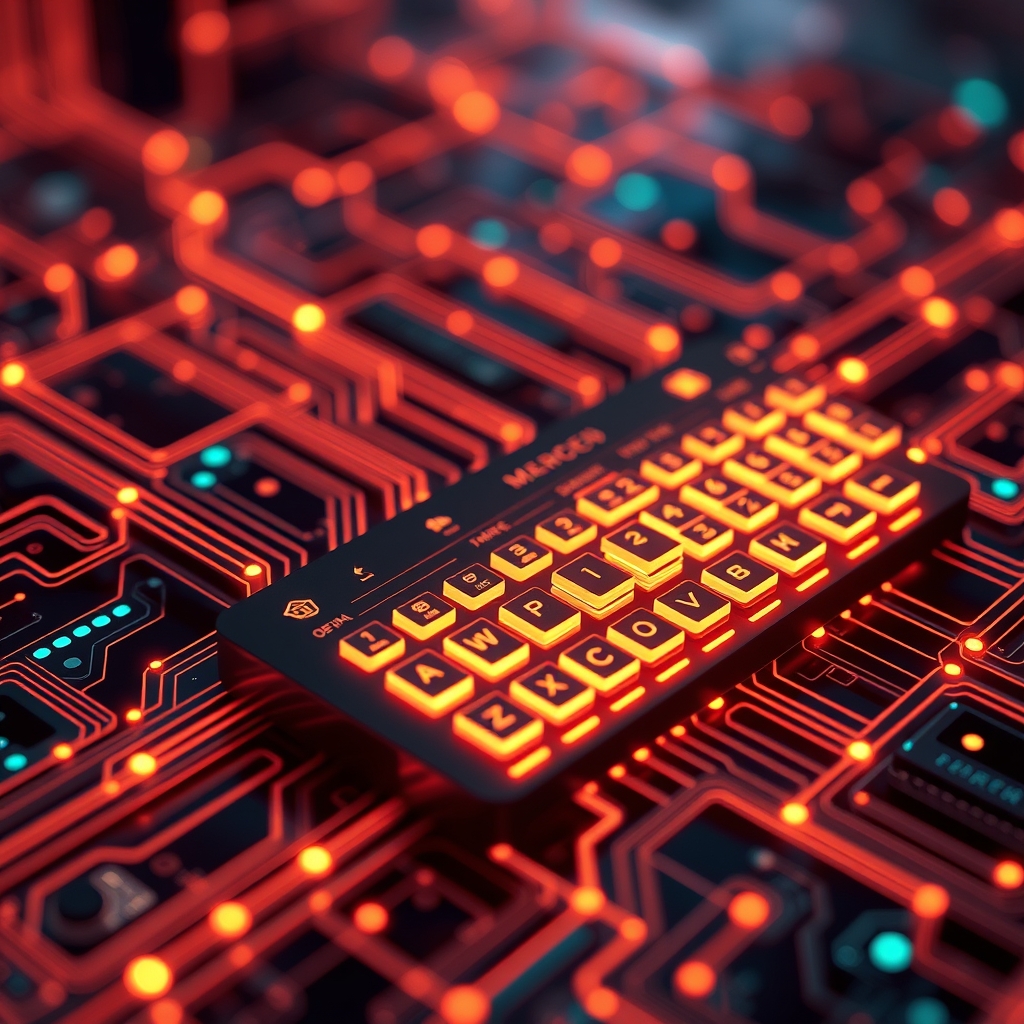
The Micro is a sturdy, premium-feeling macropad that arrives in sleek, minimalist packaging reminiscent of Apple’s design language. It offers connectivity via both Bluetooth and USB, making it versatile for various desktop setups. The keypad features a specific layout consisting of six frosted "agent" keys at the top and six command keys below.
One of the standout physical features is a dedicated voice dictation button. By holding this button, users can provide verbal instructions to ChatGPT, followed by a "send" button to execute the request. This creates a hands-free loop for complex prompting, which is particularly useful for developers managing long code blocks.
Customization and the Agentic Workflow
The true utility of Micro lies in its integration with the ChatGPT interface. Within the app, a dedicated "Micro" tab allows users to customize the hardware's behavior, including adjusting key brightness and mapping specific projects or commands to individual buttons.
To manage the "agentic" nature of the device, OpenAI implemented a color-coded LED feedback system to communicate the status of AI tasks:
- White: The agent is idle.
- Blue: The agent is "thinking" or processing.
- Green: The task is successfully completed.
- Red: An error has occurred.
For power users, this allows for a glanceable way to monitor multiple AI agents running in the background without constantly checking the main screen.
Market Reception and the Developer Divide
Despite its technical ambitions, Micro has faced a polarized reception. At a $230 price point, the device is being scrutinized by the very community it intends to serve. On platforms like Reddit, some developers have dismissed it as a "novelty" rather than a professional tool, arguing that the cost is difficult to justify when compared to cheaper DIY macro pads or existing keyboard shortcuts.
Critics have also noted a significant learning curve. To use Micro efficiently, a user must memorize both the project mappings and the color-coded status signals. For casual users, the friction of learning a new hardware interface may outweigh the productivity gains of the specialized keys.
The Broader Implications for OpenAI
Micro represents OpenAI’s first tangible step into the hardware market, a move that comes amidst significant legal tension with Apple regarding trade theft allegations. This foray into physical devices suggests that OpenAI is looking beyond the software layer to create a holistic ecosystem for AI interaction. While Micro may currently feel like an artisanal niche product, it serves as a litmus test for how the industry will eventually interact with autonomous AI agents in physical workspaces.
Key Takeaways
- Specialized Interface: Micro uses six "agent" keys and six command keys to allow users to toggle between ChatGPT sessions and projects rapidly.
- Agent Status Feedback: The device utilizes a color-coded LED system (White, Blue, Green, Red) to communicate the real-time status of AI processing.
- Niche Target Audience: While designed to optimize workflows for ChatGPT and Codex power users, its $230 price tag and learning curve have drawn criticism from the developer community.