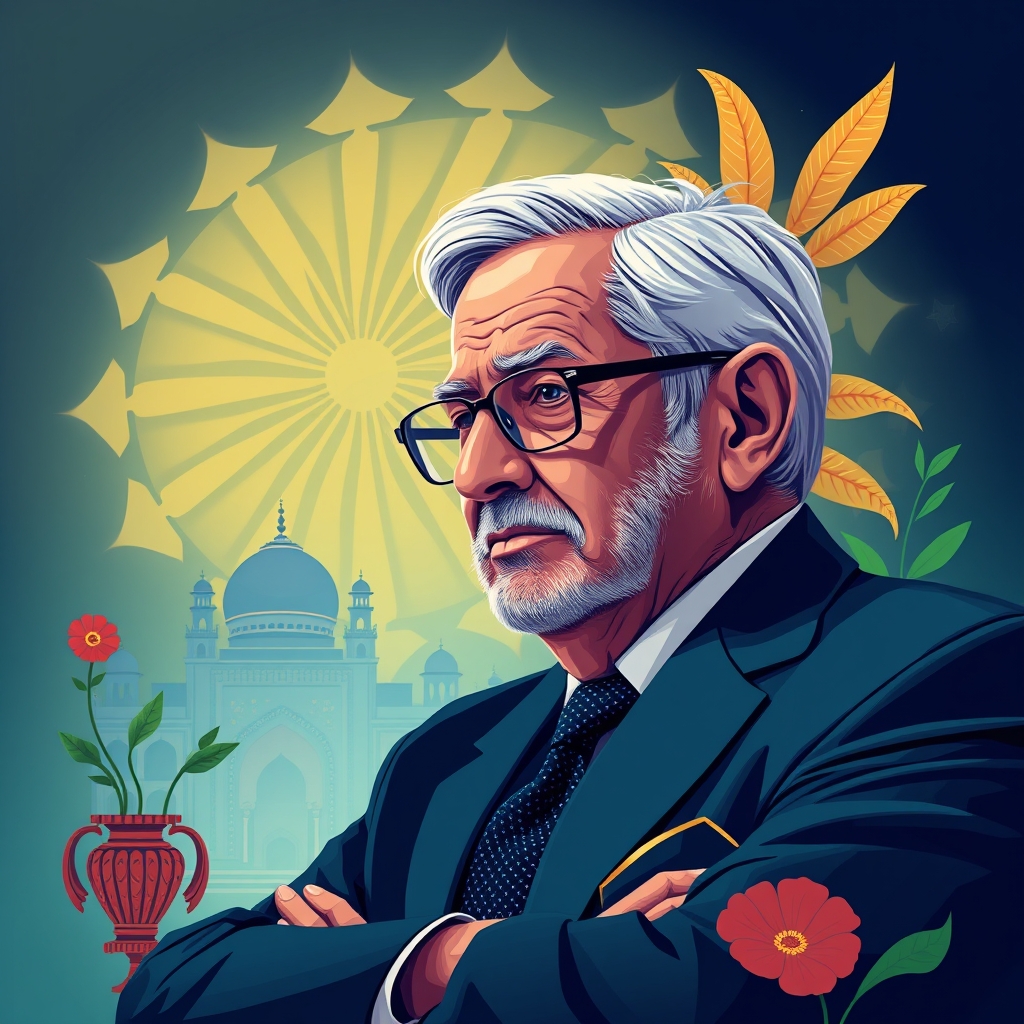
George Soros on Wealth and Global Influence: A Strategic Perspective
Billionaire financier George Soros has recently offered a rare reflection on the distinction between his massive wealth accumulation and that of his global peers. His comments provide a window into the philosophy of one of the world's most influential non-state actors and how private capital intersects with global political structures.
The Philosophy of Intentional Wealth
In his recent statement, George Soros addressed the fundamental divergence between himself and other ultra-high-net-worth individuals. While acknowledging the unprecedented scale of his financial success, Soros emphasized that his primary differentiator lies in the intended application of his resources. He suggested that for him, the accumulation of capital is not an end in itself, but rather a tool for pursuing specific ideological and social objectives.
This distinction is crucial for understanding the nature of modern "philanthro-capitalism." Unlike traditional billionaires who may focus on legacy building through art, infrastructure, or family wealth preservation, Soros has historically utilized his Open Society Foundations to influence political landscapes, promote liberal democratic values, and shape the socio-political fabric of sovereign nations.
The Power of Non-State Actors in Global Politics
Soros’s reflections highlight a growing trend in 21st-century geopolitics: the rise of the individual as a geopolitical entity. Through his massive financial reserves, Soros has been able to bypass traditional diplomatic channels, exercising influence that often rivals that of mid-sized nation-states. This ability to fund NGOs, political movements, and policy research globally creates a layer of "soft power" that operates outside the purview of formal international relations.
For global observers, this raises questions about the accountability of private citizens who possess the capacity to impact national policies. When private wealth is used to drive specific ideological agendas, it can create friction between domestic political stability and the transnational interests of globalist networks.
Navigating the Intersection of Capital and Sovereignty
The comments from Soros come at a time when the concept of national sovereignty is increasingly being tested by globalized capital and ideological networks. As wealth becomes more mobile and decentralized, the ability of a single individual to influence the internal affairs of multiple countries becomes a significant factor in strategic planning.
The tension between "Open Society" ideals and the sovereign right of nations to determine their own social and political paths is a central theme in contemporary global discourse. As Soros frames his wealth as a mechanism for systemic change, it reinforces the need for states to develop robust frameworks to manage the influence of transnational non-state actors.
What It Means for India
- Safeguarding Policy Sovereignty: As India continues to assert its strategic autonomy and "Vishwa Mitra" role, it must remain vigilant against the influence of non-state actors who use philanthropic capital to drive agendas that may conflict with India's domestic social fabric or national security interests.
- Regulatory Oversight of Foreign Funding: This development underscores the importance of stringent frameworks, such as the Foreign Contribution (Regulation) Act (FCRA), to ensure that foreign-funded entities operate transparently and do not undermine India's democratic processes or internal stability.
- Strategic Economic Resilience: India’s rise as a global economic powerhouse requires a balanced approach to foreign investment and capital flows, ensuring that while global capital fuels growth, it does not come at the cost of ideological or political dependency on private transnational networks.