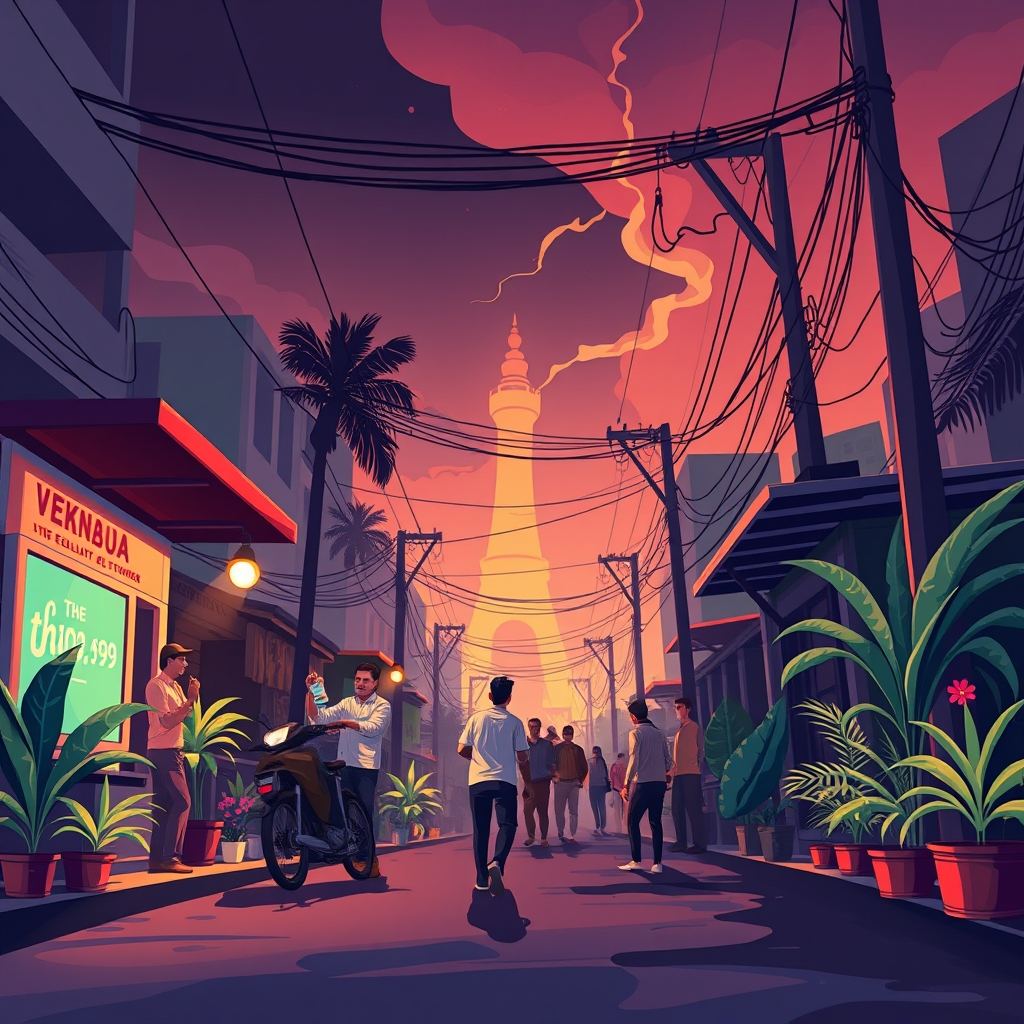
Cuba’s Nationwide Blackout: US Pressure and the Growing Energy Crisis
Cuba’s national electrical grid suffered a total collapse on Monday, July 7, 2026, plunging the entire island into darkness. This catastrophic failure comes as deepening fuel shortages, exacerbated by intense US diplomatic and economic pressure, push the nation toward a breaking point.
Total Grid Collapse and the Fuel Crisis
The Cuban energy ministry confirmed that the national electrical grid has experienced a complete failure. Energy Minister Vicente de la O Levy stated that while emergency "microsystems" have been activated to maintain vital services like hospitals and water treatment, the broader infrastructure remains non-functional.
The crisis is not merely a result of aging infrastructure, which has struggled for years, but is being significantly accelerated by external factors. In March 2026 alone, the US forced Cuba’s primary energy suppliers to halt oil shipments, leading to multiple total blackouts within a single week. President Miguel Díaz-Canel has publicly accused Washington of using an "energy blockade" to induce a "social explosion" by cutting off the lifeblood of the Cuban economy.
Geopolitical Friction and US Sanctions
The blackout is the latest symptom of a long-standing confrontation between Washington and Havana. The US maintains that its sanctions and pressure campaign are designed to force Cuba to liberalize its economy and permit direct foreign investment. While the Cuban National Assembly recently approved broad economic reforms, the US State Department has dismissed these moves as "superficial smoke signals" that do not go far enough.
Adding layers of complexity to this standoff is the presence of global powers in the Caribbean. The US has accused Cuban officials of hosting Russian and Chinese listening posts on the island—a claim Havana firmly denies. Despite this tension, high-level backchannel communications persist; notable recent meetings included CIA Director John Ratcliffe meeting Cuban intelligence chiefs in May, and US Southern Command officials meeting Cuban military leaders near Guantanamo Bay.
Socio-Economic Impact on the Ground
The energy crunch is having a devastating humanitarian impact. Beyond the darkness, the lack of consistent power is crippling education, transportation, and the medical sector. The combination of fresh US sanctions and the energy crisis has also significantly deterred international tourism, a crucial source of foreign exchange for the island. As citizens struggle to find basic necessities, the political temperature in Havana continues to rise, fueled by the government's narrative of a "genocidal blockade."
What It Means for India
As a nation that prides itself on strategic autonomy and a multi-aligned foreign policy, the situation in Cuba offers several key takeaways for India:
- Energy Security as National Sovereignty: The Cuban crisis underscores how energy dependency can be weaponized in geopolitical conflicts. For India, this reinforces the imperative of diversifying energy imports and accelerating domestic renewable energy transitions to safeguard against external political pressure.
- Navigating Great Power Rivalry: The involvement of the US, Russia, and China in the Caribbean reflects a shift toward a more fragmented global order. India must continue to refine its ability to maintain stable bilateral relations with all major powers while resisting being drawn into localized proxy conflicts.
- Humanitarian and Diplomatic Stance: As a leader in the Global South, India’s perspective on unilateral sanctions and their impact on civilian populations will remain critical. The Cuba situation provides a case study on how economic warfare affects the most vulnerable, shaping India’s long-term stance on international trade and sovereign rights.