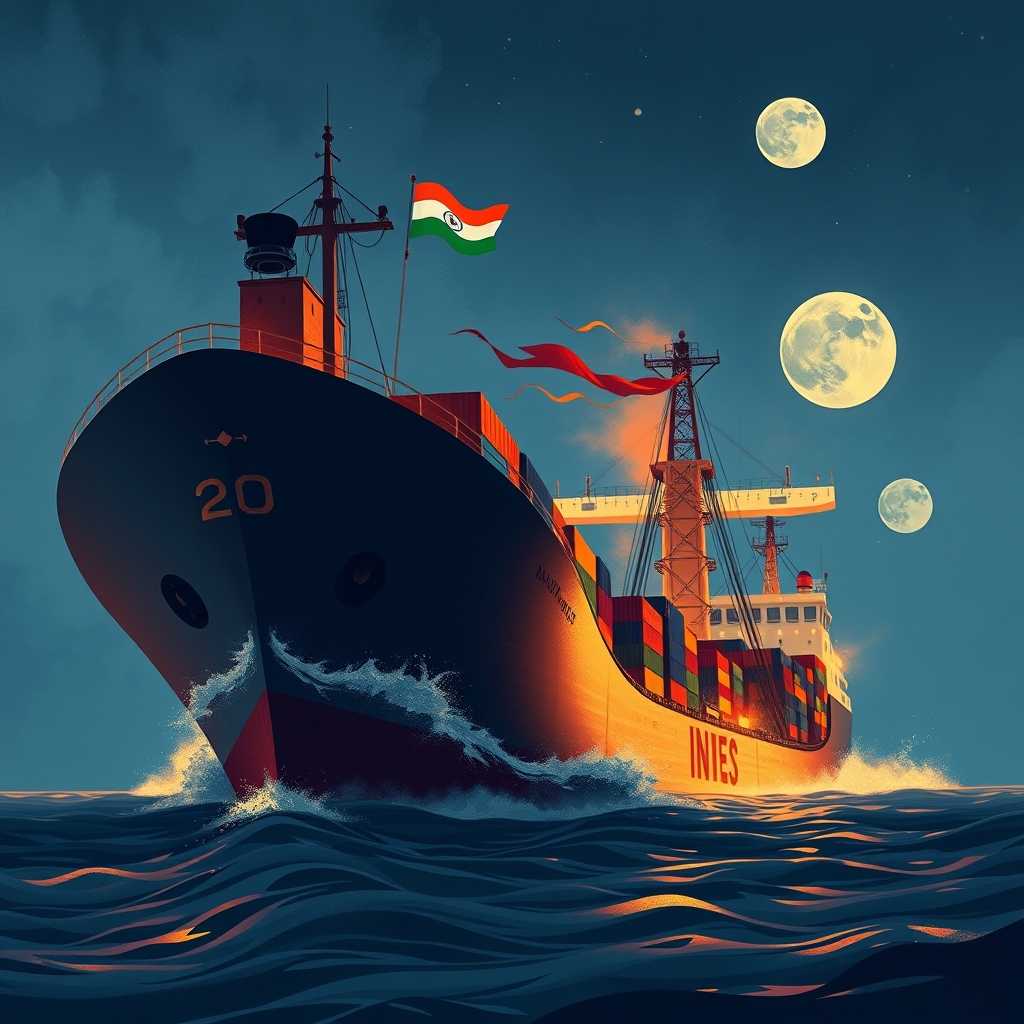
Escalation in the Strait: US-Iran Tension Spikes After Tanker Attacks
The Middle East teeters on the brink of a wider conflict as a fragile ceasefire struggles to hold following intense military strikes and maritime attacks. Recent aggression in the strategic Strait of Hormuz has once again brought the United States and Iran to the edge of direct military confrontation.
Maritime Chaos in the Strait of Hormuz
The recent surge in volatility began with targeted attacks on oil tankers, a move that has sent shockwaves through global energy markets and maritime security corridors. These attacks, occurring in rapid succession over a 48-hour period, have disrupted one of the world's most vital chokepoints. The Strait of Hormuz serves as the primary artery for global oil transit, and any instability here immediately translates into heightened geopolitical risk.
As tensions escalated, both the United States and Iran engaged in high-stakes military posturing. The US responded to what it perceived as Iranian-backed maritime aggression by deploying naval assets to protect commercial shipping, while Iran signaled its readiness to respond to any perceived infringement on its territorial waters or regional influence. This cycle of "strike and retaliate" has made the prospect of a temporary ceasefire feel increasingly precarious.
The Fragile Ceasefire and Military Posturing
Despite diplomatic efforts to de-escalate, the ceasefire remains under immense pressure. The sudden shift from diplomatic maneuvering to active military strikes suggests that miscalculations on either side could trigger a full-scale kinetic conflict. The US military has maintained a heightened state of alert, focusing on freedom of navigation operations, while Iranian forces have tightened their surveillance and readiness levels in the Persian Gulf.
The core of the conflict lies in the fundamental disagreement over maritime security and regional hegemony. For the US, the priority is ensuring the uninterrupted flow of global trade and preventing Iranian proxies from destabilizing the region. For Iran, the maritime corridors are a tool of strategic leverage, used to signal resistance against Western-led sanctions and military presence in the Middle East.
Economic Implications and Global Energy Security
The primary casualty of this confrontation is global economic stability. The threat to tankers in the Strait of Hormuz creates an immediate "risk premium" on crude oil prices. As military strikes move closer to vital shipping lanes, insurance costs for maritime vessels soar, and supply chain disruptions become a looming reality. The suddenness of the attacks over just two days has caught global markets off guard, forcing energy analysts to reconsider the stability of Middle Eastern supply chains.
What It Means for India
As a major energy importer and a key stakeholder in maritime security, India must navigate this volatility with extreme caution.
- Energy Security Risks: India relies heavily on crude oil imports from the Middle East; any prolonged disruption in the Strait of Hormuz will lead to a spike in domestic fuel prices and inflationary pressure on the Indian economy.
- Naval Diplomacy and Maritime Security: The escalation underscores the importance of India's growing role in the Indian Ocean Region (IOR). India may need to balance its strategic autonomy with the necessity of participating in international maritime security frameworks to ensure the safety of Indian merchant vessels.
- Geopolitical Balancing Act: India faces a complex diplomatic challenge in managing its relationship with both the US, a key strategic partner, and Iran, a vital regional player. Maintaining a neutral yet proactive stance will be crucial to protecting Indian interests and ensuring regional stability.