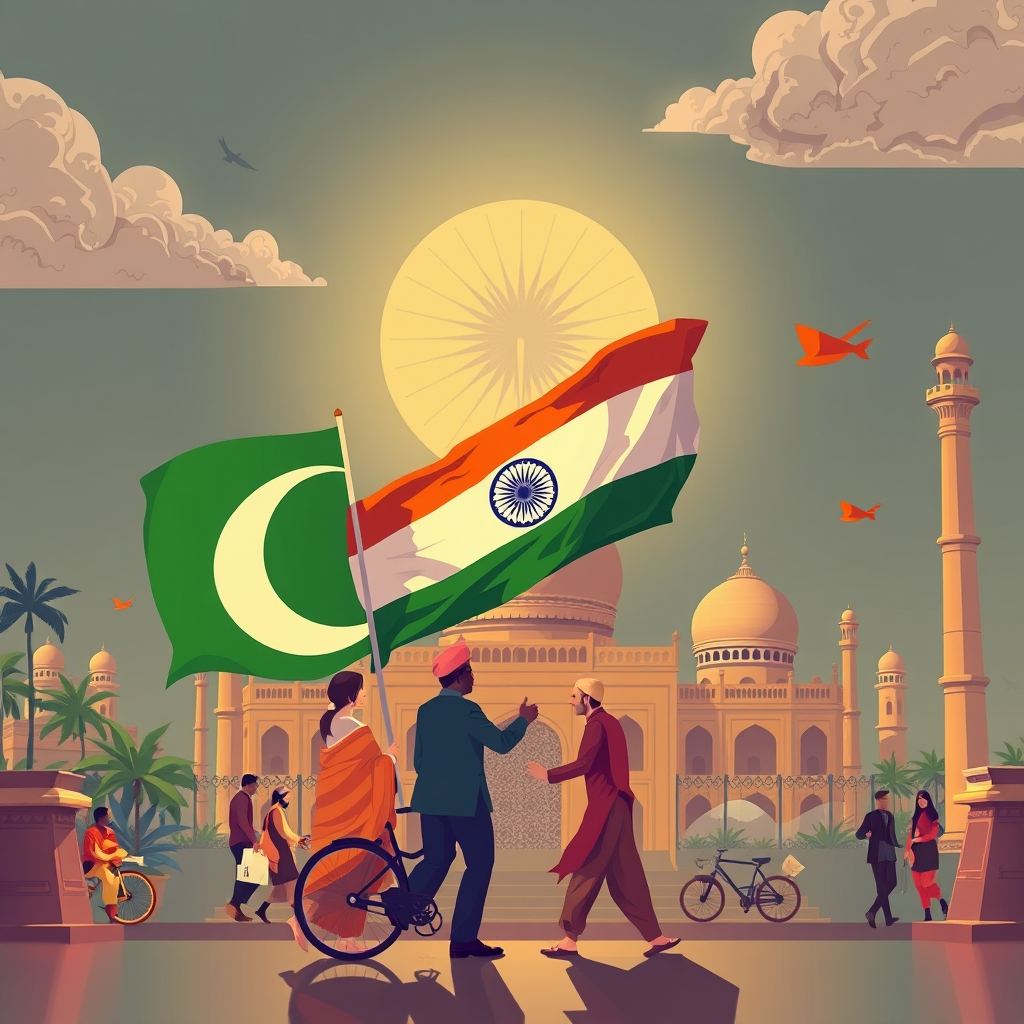
India Slams Pakistan’s ‘Fabricated Claims’ Amidst Internal Economic Crisis
New Delhi has issued a sharp rebuttal to recent aggressive rhetoric from Islamabad, accusing Pakistan of using diversionary tactics to mask its domestic failings. This diplomatic friction underscores the widening chasm between India’s stable growth and Pakistan’s ongoing socio-economic instability.
Countering the Narrative of Fabricated Claims
The Ministry of External Affairs (MEA) has taken a firm stand against the recent provocations emanating from Pakistan. MEA spokesperson Randhir Jaiswal characterized the recent threats and statements made by Pakistani officials, specifically those from Khawaja Asif, as a "desperate bid" to deflect public scrutiny. According to Jaiswal, Islamabad is resorting to "fabricated claims" against India to steer the domestic conversation away from its own crumbling internal infrastructure and economic volatility.
This diplomatic exchange follows a pattern of heightened rhetoric from Pakistani leadership, which often seeks to internationalize bilateral issues. By labeling these claims as fabrications, India is reinforcing its position that regional stability is being undermined by Islamabad's attempt to use India as a convenient scapegoat for its governance failures.
Pakistan’s Internal Struggles and Diversionary Tactics
The timing of these aggressive statements is not coincidental. Pakistan is currently navigating a period of profound economic uncertainty, marked by high inflation, debt distress, and political instability. Historically, when domestic pressure reaches a boiling point, the Pakistani establishment has frequently leaned on nationalist sentiment and anti-India rhetoric to consolidate support and distract the citizenry from pressing issues such as food insecurity, energy shortages, and fiscal deficits.
India’s response highlights a growing trend in South Asian geopolitics: the contrast between a nation focused on constructive development and a neighbor struggling to maintain basic state functions. By calling out these tactics, New Delhi is signaling that it will not engage with manufactured grievances designed to serve short-term political survival in Islamabad.
A Shift in Diplomatic Engagement
India’s stance reflects a matured foreign policy that prioritizes factual integrity over reactive engagement. Rather than engaging in a cycle of tit-for-tat rhetoric, the MEA has opted to name the strategy—diversion—directly. This approach aims to delegitimize Pakistan’s attempts to create a sense of crisis where none exists on the Indian side.
The refusal to entertain these "threats" demonstrates India's confidence in its regional standing. As India continues to strengthen its economic ties with the West and the Global South, the attempts by Pakistan to project itself as a victim of Indian aggression are losing their efficacy on the global stage.
What It Means for India
- Strategic Clarity: India’s firm dismissal of Islamabad’s rhetoric reinforces its policy of non-engagement with nations that use baseless accusations to mask internal instability, ensuring that New Delhi's diplomatic resources are focused on productive regional cooperation.
- Regional Leadership: By exposing the "desperate bid" of its neighbor, India strengthens its image as a stable, rule-based power in South Asia, contrasting its developmental trajectory with the volatility of Pakistan.
- Countering Disinformation: The MEA’s proactive stance serves as a crucial tool in managing the information warfare landscape, preventing Pakistan’s fabricated narratives from gaining traction in international diplomatic circles.