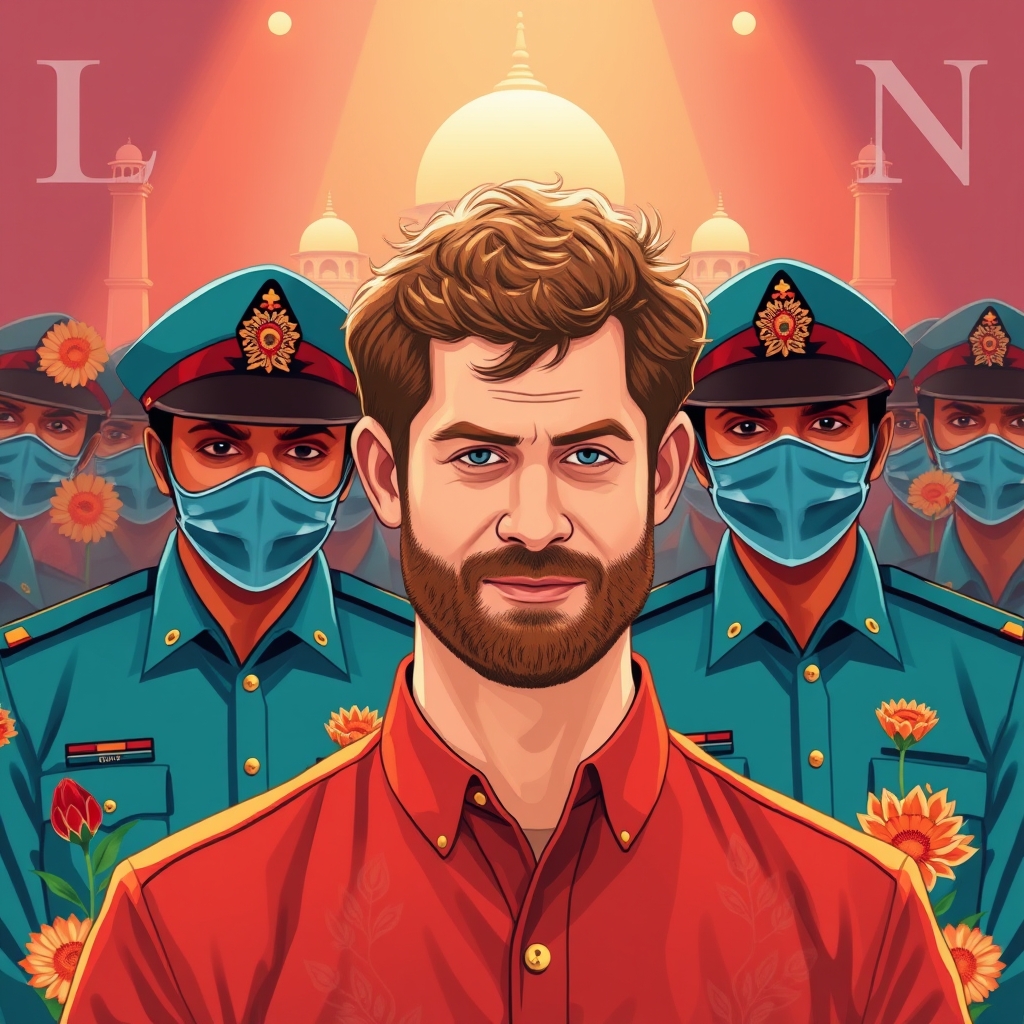
Prince Harry May Cancel UK Visit Amid Security Concerns and Police Refusal
Prince Harry’s planned visit to the United Kingdom with Meghan Markle and their children faces significant uncertainty following a major security setback. The potential cancellation stems from a critical decision by UK authorities regarding the level of official protection the Duke of Sussex and his family will receive during their stay.
The Security Deadlock and Police Protection Refusal
The primary driver behind the possible cancellation is the refusal of UK police to grant Prince Harry the same level of official security detail provided to other high-profile members of the Royal Family. Reports indicate that the Duke of Sussex has been denied specific police protection for his upcoming trip, a move that has fundamentally altered the logistics of his planned visit.
The tension arises from the ongoing legal and administrative disputes regarding the Duke’s security status since his departure from senior royal duties. Without a formal security escort, the Duke has expressed profound concerns regarding the safety of Meghan Markle and their children. This impasse between the Duke’s private security requirements and the UK’s public policing protocols has created a high-stakes standoff that threatens to derail the family's engagement with the UK.
A Strained Relationship with the British Establishment
This development is not an isolated incident but rather a symptom of the increasingly complex relationship between Prince Harry and the British institutional framework. The refusal to provide police protection highlights a growing rift between the Duke's personal security needs and the state's decision to limit official resources for non-working royals.
As Harry and Meghan continue to build their independent global brand from the United States, their interactions with the UK establishment have become increasingly formal and fraught with legal friction. The inability to reach a consensus on security arrangements underscores the difficulty of balancing personal safety with the evolving protocols of the British monarchy in a post-royal-duty era.
Diplomatic and Symbolic Implications
While the dispute is primarily a matter of personal safety and domestic UK policing, it carries significant symbolic weight. For the British monarchy, managing the presence of former senior members is a delicate balancing act involving public perception, tradition, and security logistics. The potential cancellation of the visit serves as a visible reminder of the fractured ties within the House of Windsor.
If the visit is indeed canceled, it will further solidify the geographic and emotional distance between the Duke and his ancestral home. The situation highlights how even personal family movements can become subjects of intense scrutiny and administrative complexity when they intersect with state-level security protocols.
What It Means for India
While this is a British domestic and royal matter, it offers broader lessons for India’s engagement with global institutions and the management of high-profile international figures:
- Protocol and Security Management: For India, which frequently hosts high-profile global leaders and royalty, this incident underscores the importance of clear, pre-negotiated security protocols to prevent diplomatic or personal friction during state and private visits.
- The Soft Power of Royal Diplomacy: The ability of the British monarchy to manage its internal transitions affects its global soft power; India, as a rising global power, must continue to navigate its own complex relationships with traditional Western institutions while managing its own evolving symbolic hierarchies.
- Management of High-Profile Transitions: As global political landscapes shift, India's ability to manage "transitional" figures—those moving between state roles and private influence—will be crucial for maintaining stability in its own diplomatic and ceremonial engagements.