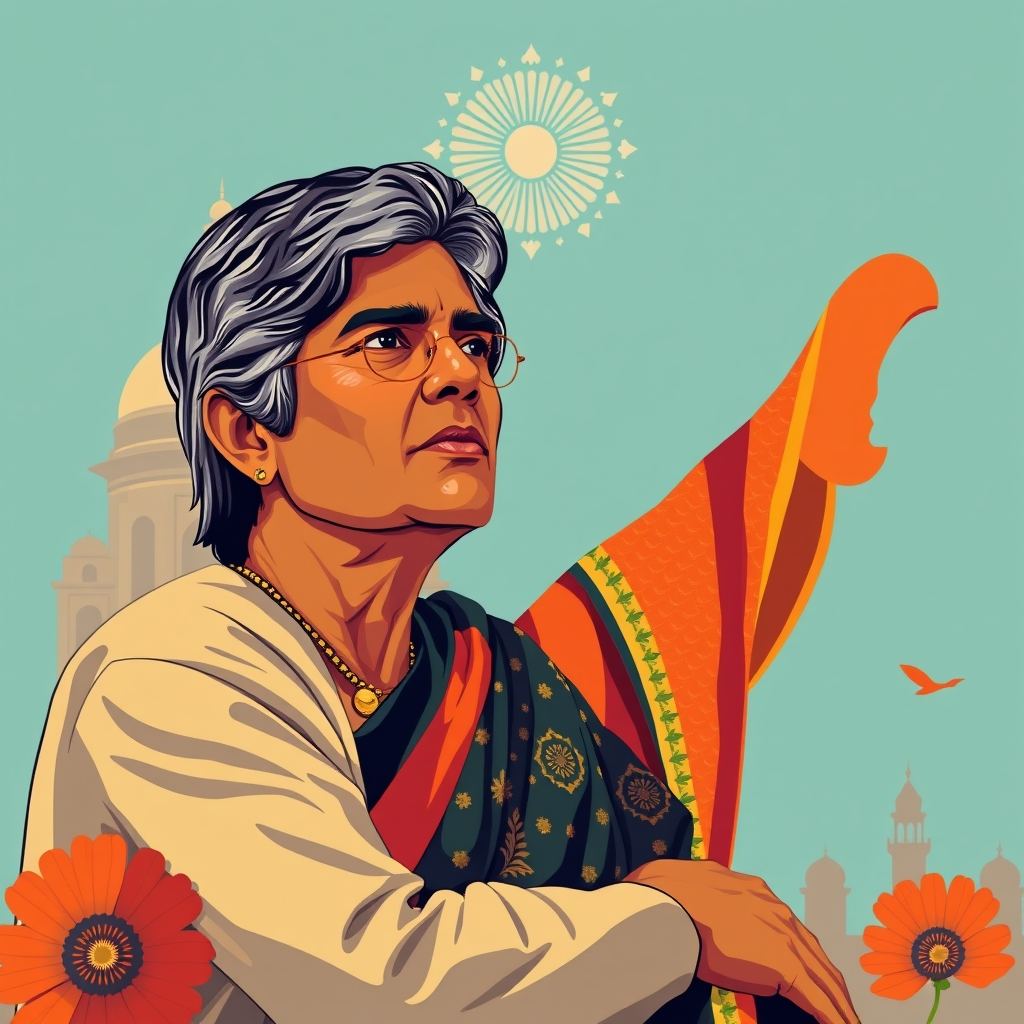
The Global Crisis of Courage: Amal Clooney’s Warning to a Fractured World
In an era defined by escalating geopolitical tensions and eroding international norms, human rights advocate Amal Clooney has issued a profound reflection on the current state of global affairs. Her observation serves as a sobering reminder that the challenges facing modern civilization require more than just intellectual debate or diplomatic maneuvering.
A Call for Moral Fortitude in Uncertain Times
Amal Clooney’s recent statement—"When I look at the world today I see that courage is needed more than..."—strikes at the heart of the contemporary struggle for justice and international law. While the full context of her sentiment emphasizes that intellect, diplomacy, or even empathy are insufficient without the bravery to act, the underlying message is clear: the global order is at a breaking point.
As a prominent figure in international human rights law, Clooney’s perspective is shaped by the increasing frequency of humanitarian crises, the weakening of multilateral institutions, and the rise of authoritarianism. Her words highlight a growing disconnect between the recognition of injustice and the political will required to rectify it. In a world where international laws are frequently bypassed by powerful actors, the "courage" she speaks of refers to the necessity of standing by principles even when it is politically inconvenient or economically costly.
The Erosion of International Norms and Legal Frameworks
The current geopolitical landscape is characterized by a shift from a rules-based order to a power-based order. From the ongoing conflicts in Eastern Europe and the Middle East to the rising tensions in the Indo-Pacific, the sanctity of international treaties and the authority of bodies like the United Nations are being tested.
Clooney’s emphasis on courage underscores the difficulty of holding state actors accountable. When legal frameworks are ignored, the responsibility falls upon individuals, legal professionals, and courageous nations to uphold the spirit of international law. This is not merely a legal struggle but a systemic one, where the hesitation to act often results in the normalization of violations. The world is witnessing a period where silence is increasingly interpreted as complicity, making the demand for moral courage a central theme in modern geopolitics.
Navigating the New Era of Global Responsibility
The sentiment expressed by Clooney resonates with the growing demand for a more equitable global governance model. As traditional powers face scrutiny, emerging voices are calling for a realignment of how justice is administered on the global stage. This transition is fraught with risk, requiring leaders who possess the courage to reform institutions rather than simply clinging to outdated power structures.
For the global community, the message is a clarion call to move beyond rhetoric. The complexities of the 21st century—ranging from climate change to technological warfare—cannot be solved through consensus alone; they require the decisive, courageous application of law and ethics to ensure that the pursuit of national interest does not come at the expense of human dignity.
What It Means for India
- Upholding Multilateralism: As India asserts itself as a "Vishwa Mitra" (Friend to the World), it must balance its strategic autonomy with the courage to advocate for a reformed, rules-based multilateral system that reflects contemporary realities.
- Leadership in Global South Advocacy: India’s growing role as a voice for the Global South requires the moral courage to challenge existing power imbalances and demand equitable access to global justice and resources.
- Strategic Consistency: In an increasingly polarized world, India’s ability to maintain principled stances on international law and humanitarian issues will be critical to its standing as a responsible and influential global power.