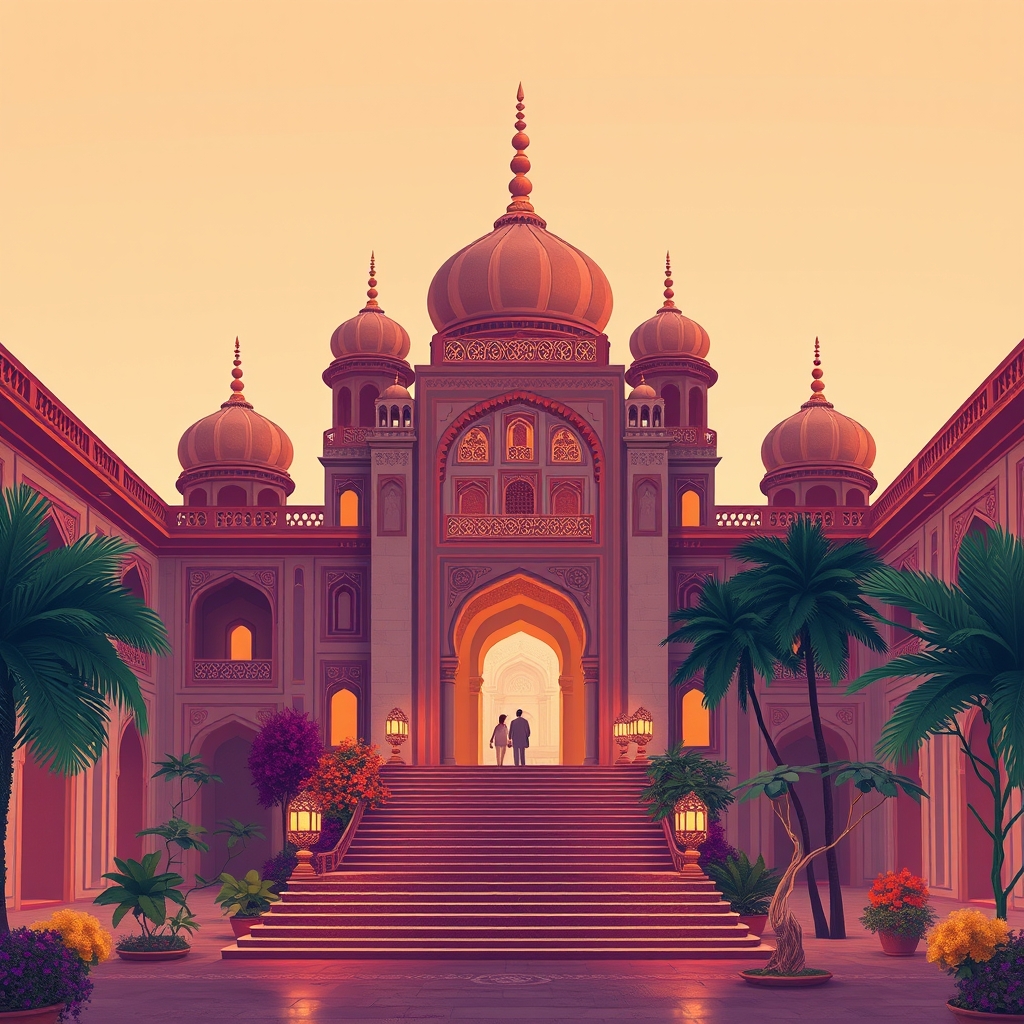
The Palais Idéal: How a French Postman Built a Global Architectural Marvel
The story of Ferdinand Cheval is one of unparalleled human perseverance and the transformative power of individual vision. What began as a chance discovery by a French postman in 1879 evolved into a thirty-three-year labor of love that created one of Europe's most unique architectural wonders.
A Vision Born from a Single Stone
In 1879, Ferdinand Cheval, a humble mail carrier in Hauterives, France, stumbled upon a peculiar, strangely shaped stone during his daily postal rounds. Rather than discarding it, Cheval was captivated by its form, an encounter that would alter the course of his life and the history of unconventional architecture.
Driven by an inexplicable creative impulse, Cheval began collecting diverse stones from his route, accumulating them in his garden. Despite having no formal training in architecture or masonry, he dedicated his evenings and weekends to transforming these raw materials into an intricate structure. This wasn't merely a construction project; it was a lifelong obsession fueled by the aesthetics of nature and the imagination.
Thirty-Three Years of Singular Dedication
The construction of the Palais Idéal (Ideal Palace) was a marathon of endurance that spanned from 1879 to 1912. For over three decades, Cheval balanced his responsibilities as a postman with the grueling physical labor of sculpting and assembling his masterpiece.
The resulting structure is a breathtaking fusion of various architectural styles, including Gothic, Romanesque, and even exotic influences reminiscent of Hindu and Islamic motifs. The palace is characterized by its dense, textured surfaces, featuring intricate carvings of animals, plants, and mythological figures. This "outsider art" masterpiece defies traditional categorization, standing as a testament to what a single individual can achieve through sheer willpower and a refusal to conform to societal expectations.
From Eccentricity to Global Heritage
While the local community initially viewed Cheval's project with skepticism or outright ridicule, the Palais Idéal eventually gained international recognition. The palace serves as a primary example of "naïve art," a category of art created by self-taught individuals outside the traditional academic establishment.
Today, the Palais Idéal is a protected historical monument and a significant tourist destination in France. It stands as a monument to human creativity that transcends the boundaries of formal education. For historians and architects alike, the palace offers a unique window into the psychological drive to create, proving that extraordinary achievements can emerge from the most unexpected origins.
What It Means for India
While the Palais Idéal is a French cultural treasure, its significance resonates with broader themes of human potential and soft power that are relevant to the Indian context:
- The Power of Individual Agency: Just as Cheval’s masterpiece rose from a single stone, India’s journey of nation-building often relies on the extraordinary contributions of individuals whose vision transcends their immediate circumstances, mirroring the spirit of "Atmanirbhar" (self-reliance) through sheer grit.
- Preservation of Non-Traditional Heritage: The global recognition of Cheval’s "outsider art" underscores the importance of India protecting its vast array of folk and tribal art forms, which, like the Palais Idéal, often exist outside the formal academic canon but hold immense cultural value.
- Cultural Soft Power: The story of the Palais Idéal demonstrates how a localized, singular creation can eventually contribute to a nation's global cultural identity, a lesson for India in leveraging its unique, diverse, and often unconventional heritage to enhance its global soft power.