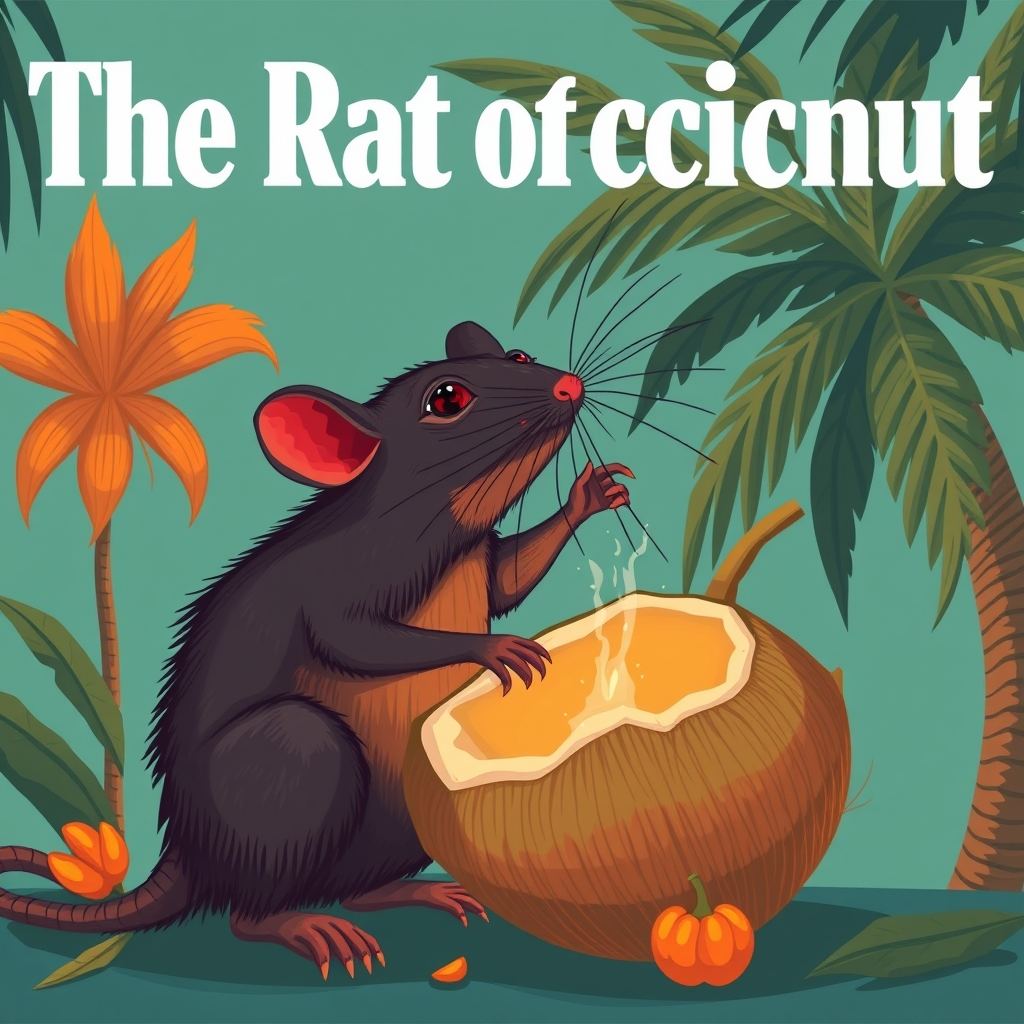
The Rat and the Coconut: Decoding Maldivian Wisdom on Exploitation
A traditional Maldivian proverb—"The rat gnaws into the young coconut, the bat drinks the water"—serves as a profound metaphor for systemic exploitation and the uneven distribution of resources. While seemingly simple, this ancient wisdom offers a lens through which we can examine the complex dynamics of power, labor, and economic injustice in the Indian Ocean Region.
The Anatomy of Exploitation
The proverb describes a two-stage process of extraction that defines many unequal relationships. The rat performs the heavy, destructive labor: it gnaws through the tough, protective outer shell of the young coconut. This is a process of grit, effort, and physical damage. However, the rat does not consume the reward. Instead, the bat swoops in to drink the sweet, nutritious water that was made accessible only because of the rat's struggle.
In geopolitical and economic terms, this illustrates a recurring pattern where one entity bears the cost, risk, and labor of breaking through barriers, while a more agile or powerful entity reaps the ultimate benefit without incurring the same level of hardship. This dynamic is frequently observed in global supply chains and resource extraction industries, where laborers or developing nations provide the foundational work, only to see the surplus value captured by middlemen or dominant global powers.
Lessons in Social and Economic Injustice
Beyond simple economics, the metaphor touches upon the fundamental nature of injustice. The rat’s labor is essential but unrewarded, while the bat’s consumption is effortless and opportunistic. This reflects the structural inequalities found in modern developmental stages, where the "gnawing" is done by the working classes or smaller economies facing high entry barriers, and the "drinking" is done by those with the capital or political leverage to bypass the struggle.
In the context of South Asian sociology, such proverbs are vital tools for understanding how communities perceive fairness. The proverb highlights a sense of disillusionment that arises when the fruits of labor are systematically diverted away from the ones who created the opportunity for that fruit to be harvested.
Strategic Implications for the Indian Ocean Region
For a maritime nation like India, the themes of this proverb resonate deeply with the concept of regional stability and equitable development. The Indian Ocean is a theater where many players—ranging from local island nations to global superpowers—compete for influence and resources. When exploitation becomes the norm, it leads to political instability, shifts in alignment, and a breakdown of trust.
India’s "SAGAR" (Security and Growth for All in the Region) initiative is a direct strategic counter-narrative to the "rat and bat" dynamic. By emphasizing collaborative growth and shared prosperity, India seeks to ensure that the "water" of regional development is not just consumed by a few powerful actors, but is shared by those who contribute to the region's security and stability.
What It Means for India
- Promoting Equitable Partnerships: India must continue to position itself as a developmental partner that prioritizes "win-win" scenarios, ensuring that its investments in the Maldives and other littoral states create local value rather than purely extractive economic models.
- Countering Exploitative Influence: By fostering transparent and fair trade practices, India can provide a stabilizing alternative to external actors who may engage in "debt-trap" diplomacy or exploitative resource management.
- Strengthening Regional Cohesion: Recognizing the social sentiments behind such traditional wisdom helps Indian policymakers understand the underlying grievances of South Asian neighbors, allowing for more nuanced and empathetic diplomacy.