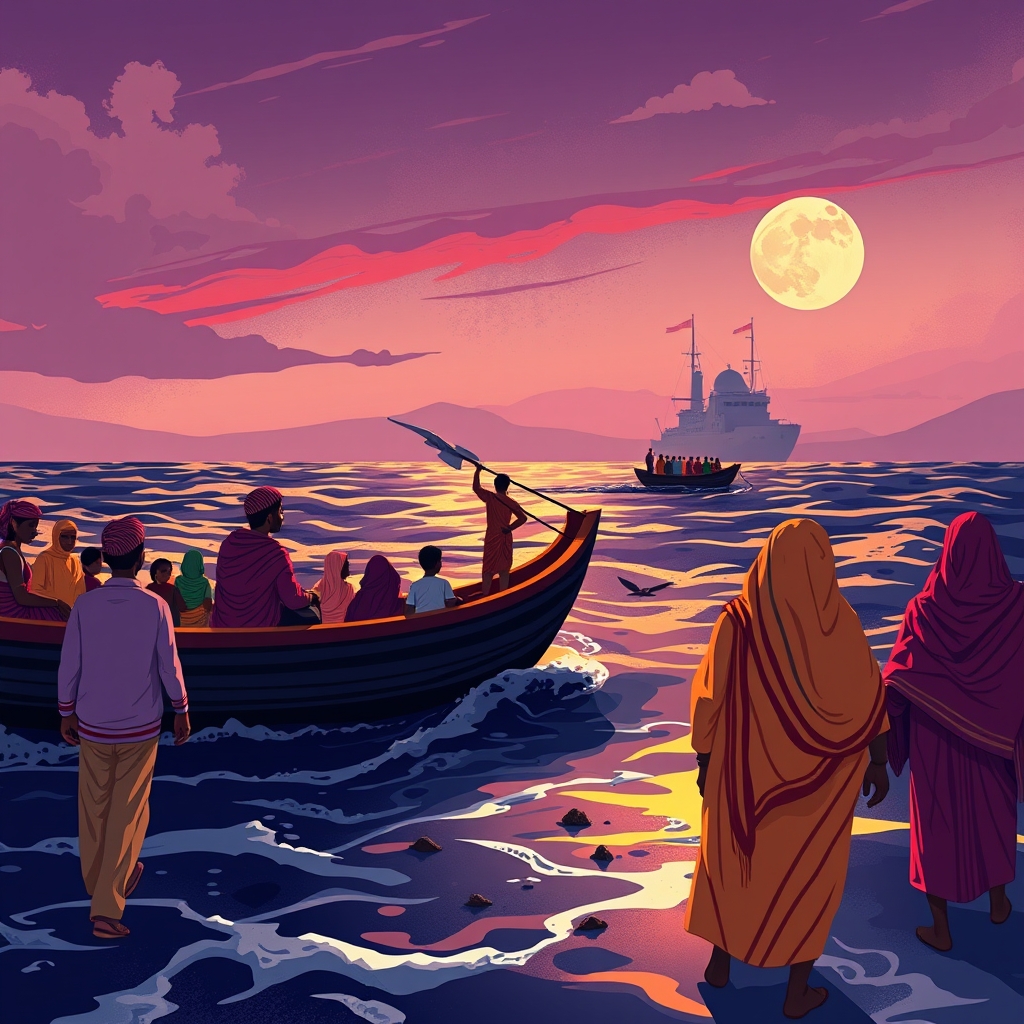
Tragic Migrant Crisis: 144 Dead or Missing Off Mauritania Coast
A massive maritime tragedy has unfolded off the coast of Mauritania, as a United Nations agency reported that at least 144 individuals are dead or missing. These migrants were attempting a perilous sea crossing toward Europe, highlighting the escalating human cost of irregular migration routes across the Mediterranean and Atlantic.
The Scale of the Maritime Tragedy
According to reports from UN agencies, the migrant vessel encountered extreme conditions while navigating the waters near Mauritania. The incident has left a staggering 144 people unaccounted for, with many feared lost to the sea. While the exact number of confirmed fatalities is still being verified by maritime authorities and international relief organizations, the scale of the disappearance suggests a catastrophic vessel failure or overwhelming sea conditions.
This latest disaster is part of a broader, increasing trend of irregular migration attempts from the African continent. Migrants, driven by economic instability, conflict, and lack of opportunity in their home countries, frequently utilize unseaworthy vessels to attempt the journey toward the European Union. The route through Mauritania is particularly dangerous due to unpredictable currents and the lack of adequate search-and-rescue infrastructure in the region.
The Drivers of Irregular Migration
The crisis off Mauritania underscores the deep-seated structural issues plaguing several regions in Africa and the Middle East. High unemployment rates, political volatility, and the disproportionate impact of climate change on agricultural economies have created a "push factor" that drives large populations to seek safety and stability in Europe.
International agencies have repeatedly warned that the Mediterranean and Atlantic routes remain among the deadliest migration corridors in the world. Despite increased surveillance by European border agencies like Frontex, the demand for migration remains high, often fueled by sophisticated smuggling networks that exploit vulnerable populations. The recurring nature of these tragedies points to a systemic failure in addressing the root causes of displacement and the lack of safe, legal pathways for migration.
Geopolitical Implications of Migration Flows
The instability in North and West Africa, coupled with the influx of migrants toward European shores, has significant geopolitical repercussions. For Europe, managing migration remains a central, often divisive, political issue that affects internal cohesion and bilateral relations with transit countries like Mauritania, Morocco, and Tunisia.
The crisis also highlights the tension between border security and humanitarian obligations. As transit nations face increasing pressure to police their coasts, the international community is struggling to balance the enforcement of migration laws with the necessity of life-saving maritime interventions. This cycle of tragedy and policy debate continues to reshape the security architecture of the Mediterranean and Atlantic maritime zones.
What It Means for India
While the Mauritania migrant crisis is geographically distant, it offers critical lessons for India’s strategic and humanitarian engagement:
- Global Migration Governance: As India seeks to expand its global footprint and strengthen its role in international institutions, the crisis underscores the need for India to advocate for more robust, structured, and safe global migration frameworks within the UN and other multilateral bodies.
- Humanitarian Leadership: India’s growing identity as a "Vishwa Mitra" (friend to the world) includes a responsibility to engage in humanitarian discourse. The recurring deaths at sea emphasize the importance of enhancing international maritime search-and-rescue protocols and resource sharing.
- Addressing Root Causes: For India, which manages significant diaspora movements and complex migration corridors, this tragedy serves as a reminder that sustainable migration management must focus on economic stability and development in origin countries to prevent the desperation that drives irregular maritime journeys.