Twitch Unbans Streamer ExtraEmily Following Distracted Driving Incident
The digital creator economy faces renewed scrutiny after popular Twitch streamer ExtraEmily was reinstated just 24 hours after a suspension for distracted driving. This rapid reversal highlights the complex tension between platform enforcement and the massive influence of live content creators.
The Incident: A Near Miss on Live Stream
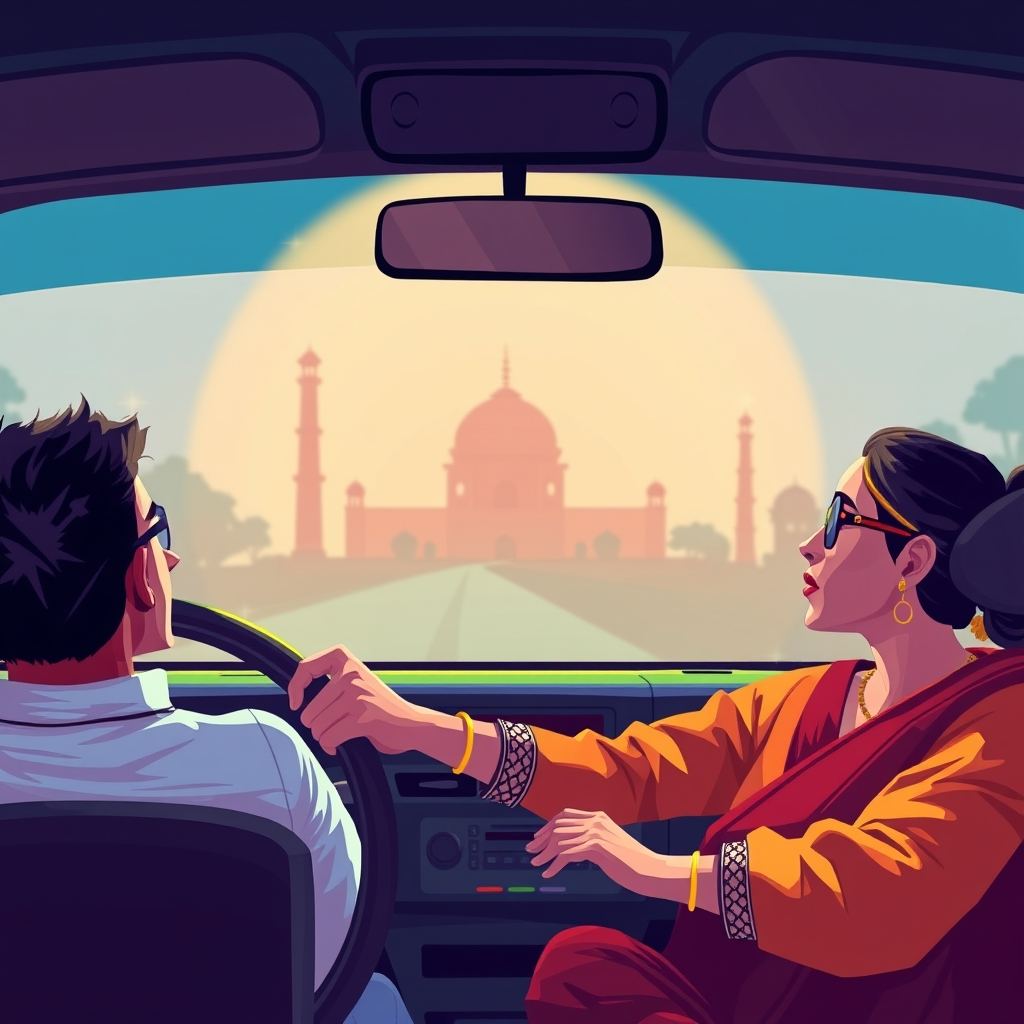
The controversy erupted when a viral clip captured ExtraEmily engaging with her mobile device while operating a vehicle. During the livestream, the streamer was observed looking down at her phone while attempting to make a turn, a lapse in concentration that nearly resulted in a collision. The potential accident was only averted when another driver intervened by honking their horn.
Following the broadcast of this dangerous behavior, Twitch—the world's leading live-streaming platform—issued a one-day suspension to the creator. This action was taken in accordance with platform guidelines that strictly prohibit streamers from engaging in activities that jeopardize public safety, specifically citing distracted driving as a violation of community standards.
Reinstatement and the Debate Over Platform Accountability
ExtraEmily's unban after only a single day has reignited a heated debate within the global digital community regarding the consistency of platform moderation. Critics argue that a mere 24-hour penalty is insufficient for an act that could have resulted in loss of life, suggesting that the "short ban" approach may inadvertently signal to other creators that safety violations carry minimal professional consequences.
This is not an isolated incident for the streamer; ExtraEmily has previously faced disciplinary actions for similar behaviors. As the livestreaming industry continues to grow into a multi-billion dollar sector, the ability of platforms like Twitch to enforce rigorous, non-negotiable safety protocols remains a central challenge. The incident underscores the thin line between "authentic" live content and illegal or life-threatening conduct that occurs in real-time.
Digital Governance and the Global Creator Economy
From a broader perspective, this incident reflects the growing pains of the "Attention Economy." As creators transition from mere entertainers to influential public figures with massive, real-time audiences, the legal and ethical responsibilities associated with their content have shifted. The incident is no longer just about a single streamer's mistake; it is about how global digital platforms manage the intersection of live broadcasting and physical-world safety.
As regulations surrounding digital content and creator responsibility tighten globally, platforms are being forced to move beyond simple community guidelines toward more robust, automated, and strictly enforced safety frameworks to mitigate liability and protect their users.
What It Means for India
While this incident occurred within the US-based streaming ecosystem, its implications resonate with India's rapidly expanding digital landscape:
- Regulatory Precedent: As India develops its own frameworks for digital intermediary liability and social media governance, incidents like this highlight the need for strict, standardized safety protocols for live-streaming platforms operating within Indian borders.
- The Rise of Indian Streamers: With India being one of the largest consumers of streaming content, local creators must navigate the fine line between engaging "vlog-style" content and adhering to strict road safety laws to avoid both legal repercussions and platform de-platforming.
- Digital Safety Awareness: The incident serves as a critical case study for the Indian digital audience, emphasizing that the pursuit of "viral moments" or engagement must never supersede physical safety and legal compliance in the real world.