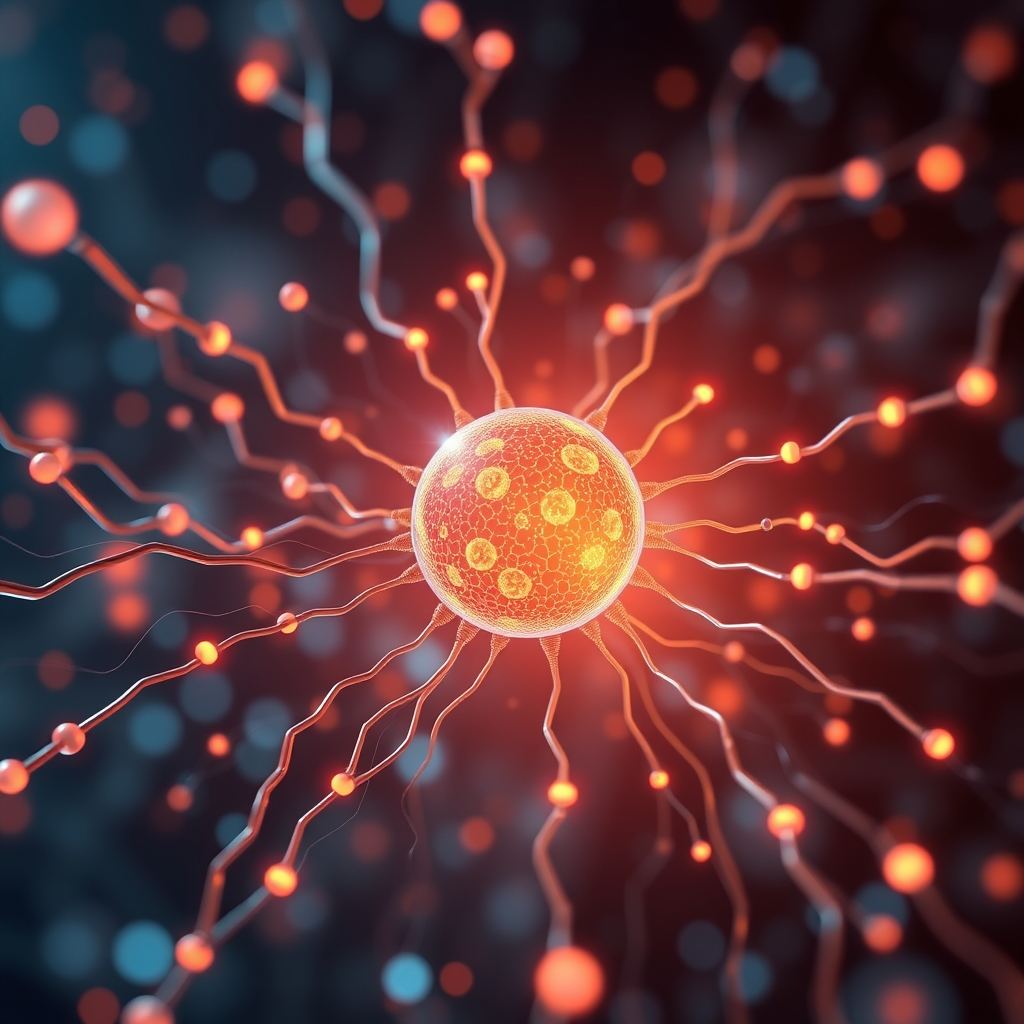
Reprogramming Biology: The New Frontier of Cellular Longevity
The quest to reverse aging is shifting from traditional wellness to high-stakes biotechnology as scientists explore methods to "reprogram" human cells. With billions of dollars pouring into the sector, the focus has moved toward restoring cellular function to a more youthful state rather than merely slowing decline.
From Slowing Aging to Cellular Reprogramming
For decades, longevity research focused on lifestyle interventions and managing age-related diseases individually. However, a paradigm shift is occurring in the biotechnology sector: the move toward cellular reprogramming. Instead of treating symptoms, researchers are investigating how to manipulate the epigenome to reset a cell's biological clock.
This approach seeks to return cells to a more primitive, functional state, effectively "rewinding" the biological age of tissues. This isn't just about extending lifespan; it is about extending "healthspan"—the period of life spent in good health—by addressing the fundamental drivers of cellular decay at a molecular level.
The Economic Surge in Longevity Biotech
The scale of investment in this field is unprecedented. Billions of dollars are currently flooding into biotechnology startups and research institutions dedicated to longevity science. This influx of capital is driven by the potential for "platform technologies"—treatments that could theoretically address multiple age-related conditions, such as neurodegeneration, cardiovascular disease, and metabolic dysfunction, through a single biological mechanism.
Investors are increasingly betting on the ability of these experimental treatments to move from theoretical models to clinical applications. The transition from treating specific diseases to treating the underlying process of aging itself represents one of the most significant commercial opportunities in the history of modern medicine.
Challenges in Clinical Translation
Despite the massive capital infusion, the path to widespread human application remains complex. Moving from successful laboratory results to safe, effective human therapies involves navigating immense regulatory and biological hurdles.
The primary technical challenge lies in precision: how can scientists reprogram cells to a younger state without triggering uncontrolled cell growth or losing the specialized functions of the tissue (such as a heart cell remaining a heart cell)? Ensuring that "reprogramming" does not accidentally induce oncogenic (cancer-causing) pathways is a critical area of ongoing research.
Why This Matters for the Future of Tech and Health
The development of cellular reprogramming signifies a convergence of computational biology, advanced genetics, and high-throughput screening. As AI and machine learning models become more adept at predicting protein folding and gene expression, the ability to design precise "reprogramming factors" will likely accelerate. If successful, this frontier will redefine the human relationship with time, transforming aging from an inevitability into a manageable biological condition.
Key Takeaways
- Paradigm Shift: Longevity science is moving from disease management to cellular reprogramming, aiming to reset the biological age of cells.
- Massive Investment: Billions of dollars are being deployed into biotechnology to develop platform technologies that target the fundamental drivers of aging.
- Technical Hurdles: The industry must solve critical safety challenges, specifically ensuring cellular reprogramming does not lead to uncontrolled cell growth or loss of tissue function.