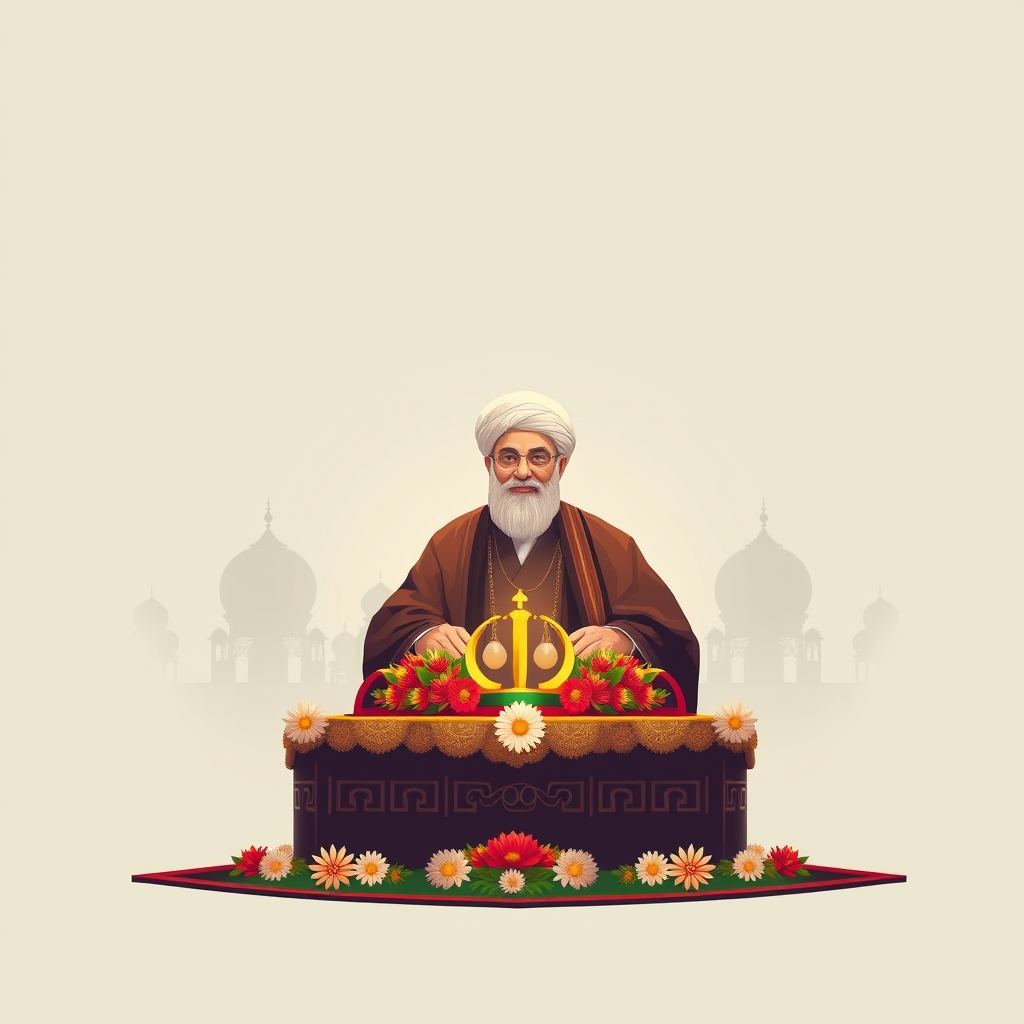
Iran in Mourning: Khamenei’s Funeral Amidst Ongoing West Asia Conflict
The funeral procession for Iran’s late Supreme Leader, Ayatollah Ali Khamenei, began in Tehran on July 6, 2026, marking a pivotal moment in the ongoing West Asia war. As millions gather to pay their respects, the ceremony serves as a high-stakes demonstration of national resilience following the devastating airstrikes by Israel and the United States.
A Massive Show of Solidarity in Tehran
On Monday, July 6, the streets of Tehran witnessed an unprecedented mobilization of citizens as the funeral procession for Ayatollah Ali Khamenei commenced. The procession, overseen by Revolutionary Guard General Hasan Hassanzadeh, involves a 12-hour journey from the heart of the capital toward Mehrabad International Airport. Khamenei’s flag-draped coffin, alongside those of family members killed in the February 28 airstrikes, is being transported on a vehicle specially decorated to resemble the ornamental grating of an Imam's shrine.
Authorities estimate that millions of people have gathered along major boulevards, with turnout figures potentially rivaling the massive farewell ceremonies held for previous leaders decades ago. For the Iranian leadership, these massive crowds are intended to project an image of domestic stability and popular support, even as the nation remains embroiled in a five-week conflict with US and Israeli forces.
Uncertainty Surrounding the Succession
While the streets of Tehran are filled with mourners, a shadow of political uncertainty hangs over the Iranian state. Much of the international and domestic attention is currently fixed on the potential successor, Mojtaba Khamenei. As the son of the late Supreme Leader, his ascension is a central point of speculation; however, his absence from the public eye since assuming power has fueled questions regarding the stability of the transition within the theocratic framework.
The funeral ceremonies, which are scheduled to last for six days, are expected to draw international dignitaries to Tehran. The event occurs at a time when the geopolitical landscape of West Asia is being radically redrawn by the US-Israel military campaign and the subsequent regional fallout.
Regional Instability and the Widening Conflict
The death of Ayatollah Khamenei is not an isolated event but a consequence of the intensified warfare in the region. The conflict, which saw significant escalation on February 28 through targeted airstrikes, has forced global powers to reassess their positions. Amidst this, Israeli Prime Minister Benjamin Netanyahu has made controversial statements regarding the annexation of certain Lebanese Christian villages to protect them from Hezbollah, further complicating the regional security architecture.
As the world watches the proceedings in Tehran, the broader implications of a weakened but defiant Iran, coupled with the shifting leadership in Tehran, suggest that the West Asian theatre remains highly volatile.
What It Means for India
The transition of power in Iran and the escalation of the US-Israel-Iran conflict carry significant implications for India's strategic and economic interests:
- Energy Security and Trade Volatility: As one of the economies most vulnerable to West Asian instability, India must navigate heightened risks in energy imports and maritime security, particularly around the Strait of Hormuz, amidst the ongoing conflict.
- Strategic Autonomy and Diplomacy: The shift in Iranian leadership presents a new diplomatic landscape for New Delhi. India will need to balance its traditional ties with Tehran against its growing strategic partnerships with the United States and its interests in the broader Middle East.
- Regional Stability and Diaspora Safety: The continued warfare and the potential for internal instability in Iran demand vigilant monitoring by Indian intelligence and diplomatic missions to ensure the safety of the significant Indian diaspora and to prevent spillover effects on India's western maritime borders.