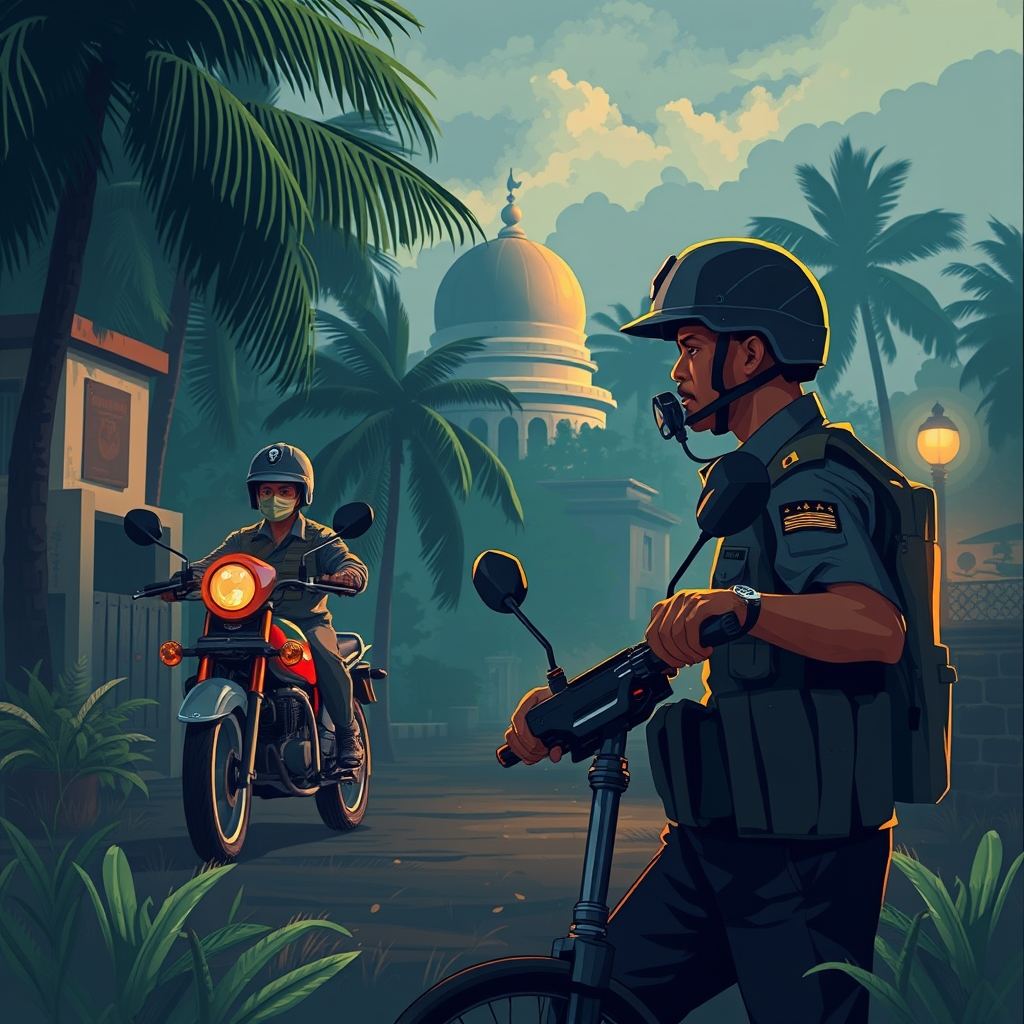
Sri Lanka Deploys Military to Combat Rapid Surge in Dengue Cases
Sri Lanka is facing a significant public health crisis as dengue fever cases skyrocket, forcing the government to deploy the military to manage the outbreak. With hospital capacities nearing a breaking point, the decision marks a drastic escalation in the island nation's fight against the mosquito-borne disease.
A Public Health System Under Siege
As of June 20, 2026, Sri Lanka has recorded a staggering 46,037 dengue cases, with nearly 10,000 of these concentrated in the capital, Colombo. The outbreak has already claimed 28 lives this year, placing immense pressure on an island nation known for having one of the most robust public health systems in South Asia.
Health Minister Dr. Nalinda Jayatissa recently warned that the country’s medical infrastructure is at risk of severe strain and potential collapse if the infection rate continues its current trajectory. This surge follows a pattern of seasonal spikes typically seen during the second and fourth quarters of the year, coinciding with the country's monsoon seasons.
Military Intervention and Legal Enforcement
In a strategic move to regain control, the President’s office announced on June 22, 2026, that a specialized monitoring unit will be established under the leadership of the "Tri-Forces" (the Army, Navy, and Air Force). This unit is not merely for medical assistance but is designed to strengthen legal enforcement and prevention activities.
Working through local "Community Empowerment and Public Safety Committees," the military-led team will oversee dengue prevention measures and ensure strict adherence to sanitation protocols. This militarization of public health response follows previous massive outbreaks, such as the catastrophic 2017 surge which saw over 186,000 cases and 440 deaths. By involving the armed forces, the Sri Lankan government aims to enforce the "National Strategic Plan" more aggressively at the grassroots level.
Historical Context of Disease Endemicity
While Sri Lanka achieved a major milestone in 2016 when the WHO certified it malaria-free, the country remains vulnerable to other vector-borne diseases. The nation has dealt with recurring outbreaks of chikungunya—most notably in 2025—and periodic dengue surges every three to four years.
A 2024 Ministry of Health report highlighted that these high-intensity outbreaks contribute to increased levels of disease endemicity across the island. The current crisis underscores the difficulty of maintaining long-term public health stability in a tropical climate prone to heavy monsoonal rains, which create ideal breeding grounds for mosquitoes.
What It Means for India
The health crisis in Sri Lanka carries several implications for India’s regional and strategic interests:
- Regional Health Security: As a close neighbor with significant cross-border movement, an uncontrolled outbreak in Sri Lanka necessitates heightened surveillance within Indian coastal states like Tamil Nadu to prevent the cross-border transmission of vector-borne diseases.
- Humanitarian and Medical Cooperation: The strain on Sri Lanka’s healthcare system provides an opportunity for India to exercise "soft power" through medical diplomacy, potentially offering pharmaceutical support, vaccines, or technical expertise to stabilize the island's public health infrastructure.
- Stability of a Key Partner: Prolonged domestic crises—whether economic or health-related—can impact the internal stability of Sri Lanka. For India, ensuring the stability of its neighbor is vital for maintaining a secure maritime and geopolitical environment in the Indian Ocean Region.