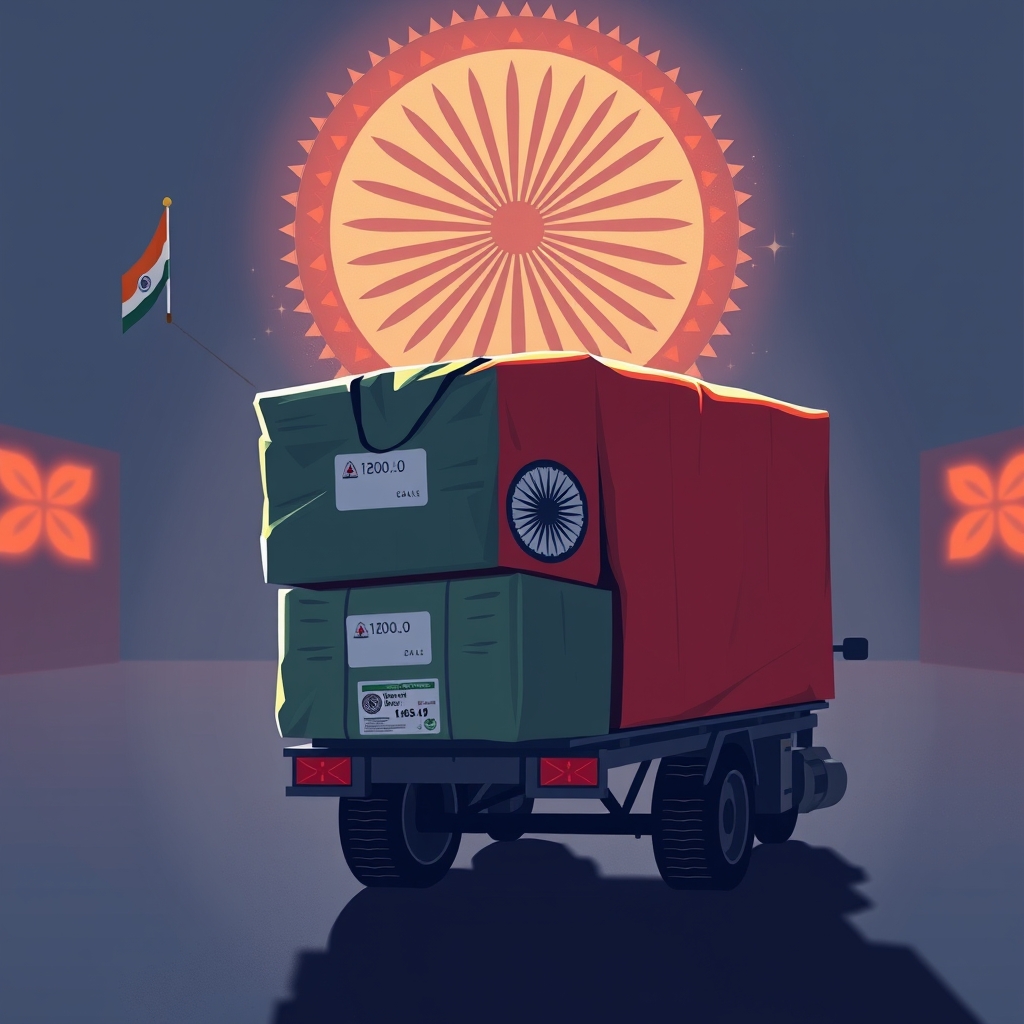
India Delivers 4.5 Tonnes of Medical Aid to Kenya for Ebola Preparedness
In a significant move to bolster regional health security, India has dispatched its first tranche of medical assistance to Kenya to combat the threat of the Ebola virus and other infectious diseases. This delivery underscores India’s growing role as a reliable "first responder" in the Global South, providing critical life-saving supplies during public health emergencies.
Strengthening Kenya’s Frontline Defense Against Ebola
On Wednesday, July 22, 2026, Indian High Commissioner Adarsh Swaika officially handed over a 4.5-tonne consignment of medical supplies to Kenya's Cabinet Secretary for Health, Aden Duale, at Jomo Kenyatta International Airport in Nairobi. This shipment is a specialized response designed to enhance Kenya's long-term preparedness and ability to contain infectious outbreaks.
The consignment consists of 279 packages of essential medical equipment, specifically curated for infection prevention and control. Key items include personal protective equipment (PPE) kits, sample transportation kits, infrared thermometers, face shields, and heavy-duty protective boots. These supplies are vital for protecting frontline healthcare workers and ensuring the safe collection and transportation of biological samples during a potential Ebola outbreak. This is the first of two planned tranches, with a second shipment expected to follow shortly.
A Consistent Pattern of Medical Diplomacy
This latest aid package is not an isolated event but part of a broader strategic pattern of Indian medical diplomacy in Africa. Earlier in the year, during May and June, India supplied over 45 tonnes of medical assistance to the Africa Centres for Disease Control and Prevention (Africa CDC) to bolster the entire continent's preparedness against Ebola.
India’s relationship with Kenya is deeply rooted in healthcare cooperation. During the COVID-19 pandemic, New Delhi's "Vaccine Maitri" initiative saw the delivery of 1.12 million doses of Indian-made vaccines to Kenya, alongside various medicines. Beyond emergency relief, the partnership includes long-term infrastructure support, such as the provision of a Bhabhatron radiotherapy machine for Kenyatta National Hospital and diagnostic equipment for the Kenya Navy Hospital in Mombasa.
Deepening Economic and Health Interdependence
The medical aid reflects the profound economic and social ties between the two nations. The pharmaceutical sector serves as a cornerstone of this bilateral relationship, with Indian pharmaceutical products currently accounting for more than half of Kenya's total pharmaceutical market. Furthermore, the human connection is evidenced by the fact that over 10,000 Kenyans travel to India annually to seek specialized medical treatment. By providing these supplies, India is not only fulfilling a humanitarian role but also reinforcing a stable ecosystem that benefits its own pharmaceutical and healthcare industries.
What It Means for India
- Strengthening Strategic Footprint in Africa: By acting as a reliable provider of essential medical goods and high-tech equipment, India is countering the influence of other global powers and positioning itself as a preferred partner for African nations in the Global South.
- Enhancing Regional Health Security: Mitigating the spread of infectious diseases like Ebola in East Africa serves India's own national security interests, as preventing regional outbreaks reduces the risk of global pandemics that could eventually reach Indian shores.
- Expanding Soft Power and Economic Reach: Continued leadership in healthcare diplomacy solidifies India's reputation as a provider of "affordable and accessible" solutions, creating a fertile ground for the expansion of Indian pharmaceutical exports and medical tourism.