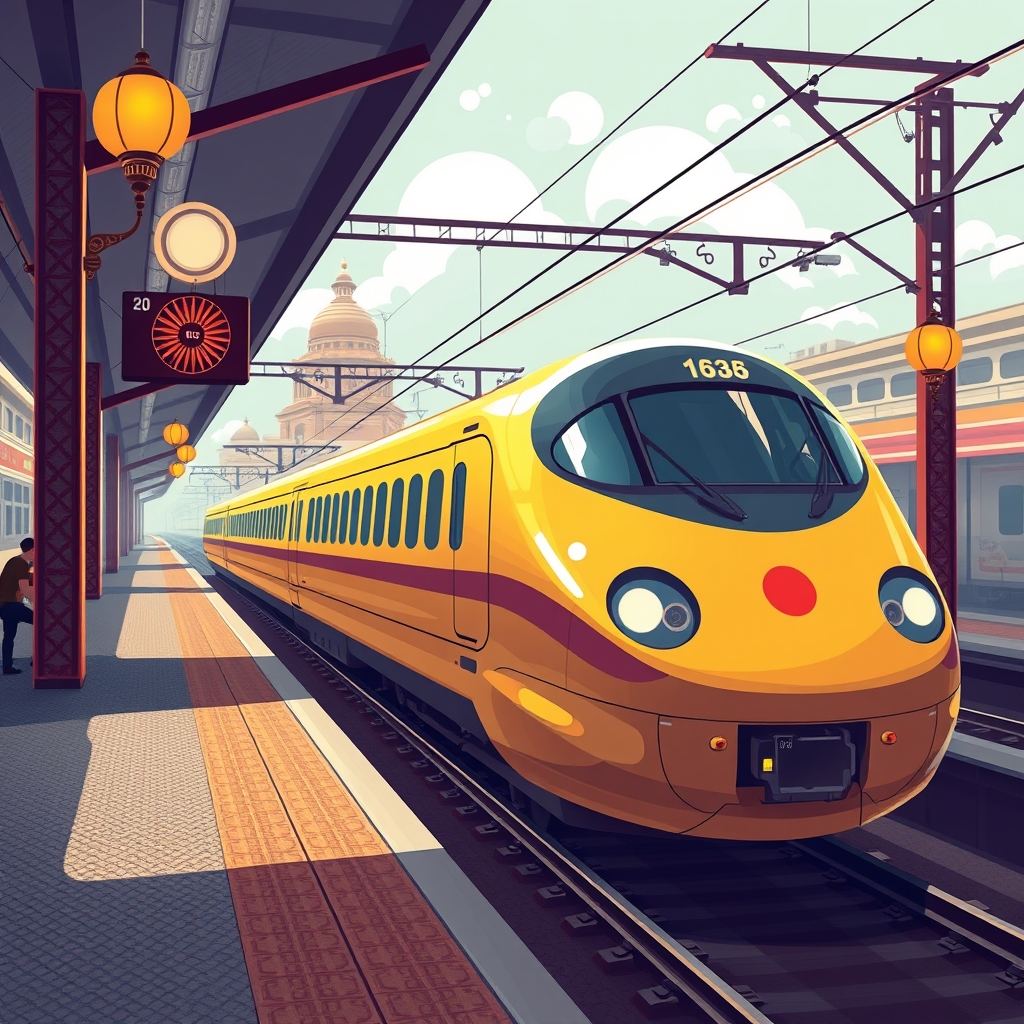
Japan to Retire Iconic 500 Series Shinkansen and Doctor Yellow by 2027
Japan is preparing to retire two of its most legendary high-speed rail icons, the aerodynamic 500 Series Shinkansen and the specialized "Doctor Yellow" diagnostic train, by 2027. This transition marks the end of an era for Japanese engineering as the nation shifts toward next-generation technologies focused on higher efficiency and advanced automated maintenance.
The Sunset of the 500 Series Shinkansen
The 500 Series Shinkansen, famous for its long, pointed nose inspired by the sonic boom-reducing designs needed for tunnels, has been a staple of Japan’s rail network for decades. However, the decision to phase it out by 2027 is driven by the need for operational modernization. As the fleet ages, maintenance costs rise, and the energy efficiency of newer models far surpasses the older technology.
The 500 Series was a marvel of its time, pushing the boundaries of aerodynamics and speed. Yet, in the modern era of high-speed rail, the focus has shifted from pure speed to sustainable, high-capacity, and ultra-quiet operations. The retirement signifies a strategic pivot toward the N700S series and other cutting-edge models that offer better integration with digital signaling systems and lower carbon footprints.
The Evolution of Track Maintenance: Farewell to Doctor Yellow
Perhaps more significant for the technical community is the retirement of "Doctor Yellow." Unlike standard passenger trains, Doctor Yellow is a specialized diagnostic vehicle equipped with sophisticated sensors to inspect tracks, overhead lines, and signaling systems while running at high speeds. It has been the "guardian" of the Shinkansen network, ensuring the safety and precision that Japanese rail is known for.
The retirement of Doctor Yellow is not a retreat from safety, but an evolution toward digitalization. Japan is moving toward "Continuous Monitoring" systems. Instead of relying on a dedicated, expensive diagnostic train that runs periodically, new Shinkansen models are being equipped with integrated sensors that provide real-time data during regular commercial service. This shift from "periodic inspection" to "constant digital monitoring" represents a massive leap in predictive maintenance and operational cost-reduction.
A Shift Toward Autonomous and Digital Infrastructure
The year 2027 will mark a milestone in Japan’s transition toward a more autonomous rail ecosystem. By phasing out these legacy systems, Japan is clearing the path for a network that relies on the Internet of Things (IoT) and Artificial Intelligence (AI). The goal is a railway where the infrastructure "talks" to the trains, identifying potential faults before they even manifest. This transition reduces the reliance on specialized, high-cost manual diagnostic runs and moves toward a seamless, data-driven transit model.
What It Means for India
As India aggressively expands its high-speed rail network, particularly through the Mumbai-Ahmedabad High-Speed Rail (MAHSR) project in collaboration with Japan, these developments offer critical strategic lessons:
- Technology Transfer and Lifecycle Management: India’s engagement with Japanese Shinkansen technology must account for the rapid lifecycle of high-tech assets. As Japan moves toward sensor-integrated diagnostic systems, India should look beyond just purchasing rolling stock and instead focus on adopting "smart" infrastructure that incorporates real-time monitoring.
- Shift from Hardware to Data: The retirement of Doctor Yellow suggests that the future of rail safety lies in embedded sensors rather than dedicated inspection vehicles. For India's long-term rail strategy, investing in digital twin technology and AI-driven predictive maintenance will be more cost-effective than traditional methods.
- Operational Sustainability: The transition highlights that high-speed rail is not just about speed, but about the evolution of energy efficiency and maintenance ease. As India builds its corridors, the focus should remain on interoperability and the ability to upgrade digital signaling systems to avoid premature obsolescence of expensive hardware.