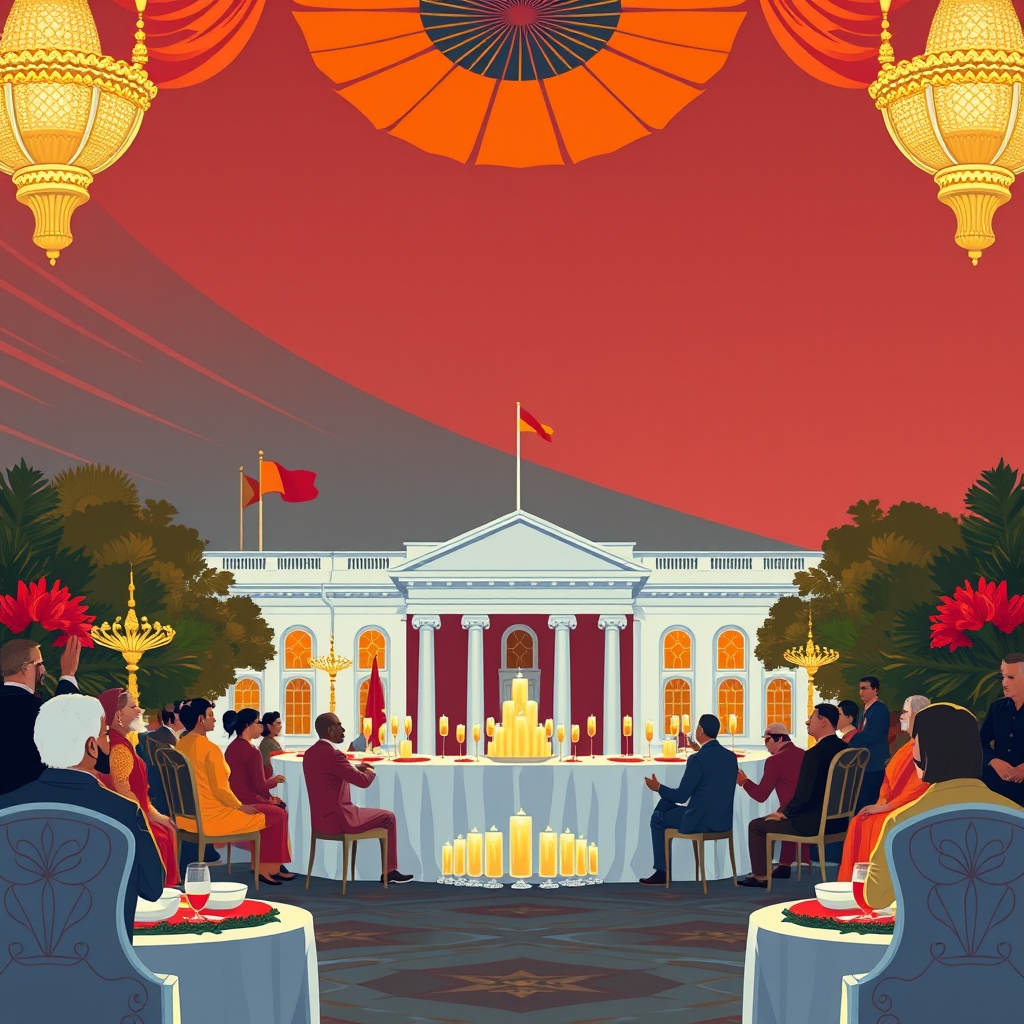
Trump Addresses Rescheduled White House Correspondents' Dinner
President Donald Trump addressed a room of journalists on July 24, 2026, at the rescheduled White House Correspondents' Association dinner. The event, originally postponed in April following a violent shooting incident, served as a high-stakes moment of resilience for the American press corps.
Resilience Amidst Chaos: The Return of the Correspondents' Dinner
The rescheduled dinner, held at the Waldorf Astoria in Washington DC, marked a significant moment for the White House Correspondents' Association (WHCA). The original event in April was violently disrupted when a gunman stormed a security checkpoint, leading to an evacuation and a period of trauma for the media community.
Welcoming the guests, WHCA President Weijia Jiang of CBS News emphasized that the media would not be silenced by violence, stating, "We will not be intimidated. We refuse to let an act of violence have the final word." The atmosphere at the rescheduled dinner was markedly different from the traditional gala; held in a smaller venue for approximately 700 people, the event featured heightened security, including ID checks, detection dogs, and armed officers. In a gesture of solidarity, the dinner included a new award for Victor Gonzales, the Secret Service agent who was struck in his protective vest during the April shooting.
A Shift in Rhetoric: Trump’s Calibrated Approach
For months, anticipation had built around the President's potential verbal attacks on the media. In his Truth Social posts, Trump had hinted at delivering "rather nasty" statements. However, the President took a notably different tone during the July 24 proceedings.
While he did not abandon his critiques entirely—referring to the gathering as the largest group of "Trump Derangement Syndrome" people in one place—he signaled that he had scrapped his original, more aggressive speech. This shift suggests a strategic calibration of his rhetoric following the security crisis in April. Instead of a purely combative address, the President delivered a more nuanced mix of remarks, navigating a room filled with journalists who have spent the previous year publishing critical reports on his administration.
The Implications of American Political Volatility
The security breach in April and the subsequent rescheduling of this premier media event highlight the deep-seated volatility within the American political and social landscape. The transition from a large-scale, festive gala to a highly secured, smaller-scale gathering reflects a broader trend of increased hardening of targets within the United States. For global observers, the ability of US institutions to maintain their traditional functions—even under the shadow of violence—remains a key indicator of the country's internal stability and democratic resilience.
What It Means for India
As India continues to deepen its strategic and economic ties with the United States, the internal political climate in Washington remains a critical variable for New Delhi.
- Predictability in Diplomacy: While the domestic friction between the US Presidency and the press is intense, the fact that institutional traditions like the WHCA dinner persist suggests a level of functional continuity that is vital for stable bilateral relations.
- Security Paradigm Awareness: The escalation of violence and the necessity for extreme security measures in the US serve as a reminder for Indian policymakers of the evolving nature of political security and the potential for sudden disruptions in the global political order.
- Navigating US Political Cycles: For Indian strategic planners, the shifting rhetoric of the Trump administration underscores the importance of maintaining a flexible foreign policy that can adapt to the unpredictable and often polarized nature of US domestic politics.