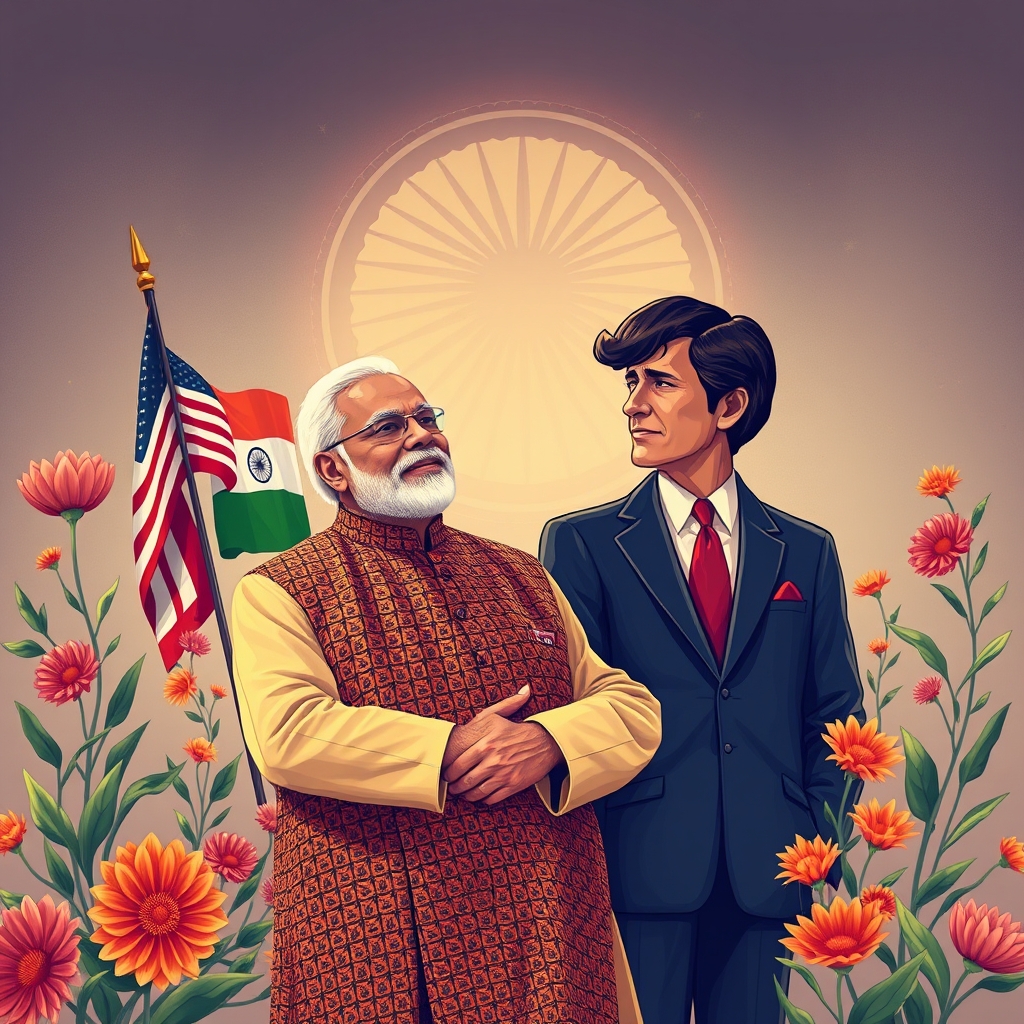
Modi-Trump Synergy: US Envoy Signals Stronger India-US Ties
US Ambassador to India, Sergio Gor, has highlighted the profound leadership similarities between Prime Minister Narendra Modi and President Donald Trump, suggesting a shared "results-oriented" approach. This personal rapport is being positioned as the foundational anchor that will likely define the next chapter of the strategic partnership between New Delhi and Washington.
A Shared Vision of Decisive Leadership
In a recent assessment of bilateral dynamics, Ambassador Sergio Gor dismissed concerns regarding potential strains in India-US relations, instead emphasizing the "hands-on" nature of both leaders. Gor noted that both PM Modi and President Trump share a common cognitive framework: a drive to bypass traditional bureaucratic inertia to achieve rapid results.
According to the Ambassador, if PM Modi identifies a requirement, he "moves on it" immediately—a trait Gor identifies as being identical to President Trump's decision-making style. This synergy is not merely anecdotal; it is being framed as a core functional driver of the relationship. By focusing on "getting things done and accomplishing things fast," both leaders appear poised to accelerate bilateral agreements that might otherwise languish in diplomatic red tape.
Deepening Personal Rapport and Diplomatic Warmth
The Ambassador’s remarks underscore that the India-US relationship is not merely institutional but deeply personal. Gor highlighted that President Trump continues to hold PM Modi and India in high regard, frequently recalling the "vibrancy" and "energy" he witnessed during his first visit to the country. This personal warmth is expected to act as a stabilizer in the complex geopolitical landscape.
Furthermore, Gor revealed that the personal connection has transitioned into active diplomatic planning, noting that President Trump has expressed a keen interest in returning to India following an invitation from the Prime Minister. This suggests that high-level state visits, which often serve as catalysts for major defense and technology transfers, are likely to remain a priority for the incoming administration.
Moving Beyond Traditional Diplomacy
The shift toward a relationship anchored by two leaders who "think alike" suggests a move toward a more transactional yet highly efficient form of diplomacy. Ambassador Gor emphasized that the goal of the US mission is to ensure "regular engagement," maintaining the momentum of the partnership through direct communication between the two heads of state. This approach prioritizes direct access and swift execution, which is critical for addressing contemporary challenges in the Indo-Pacific region.
What It Means for India
- Accelerated Implementation of Strategic Agreements: The shared "results-oriented" leadership style is likely to fast-track critical sectors such as iCET (Initiative on Critical and Emerging Technology), defense manufacturing, and supply chain resilience, reducing the time lag between policy signing and on-ground execution.
- Enhanced Geopolitical Stability: A strong personal rapport between the two leaders provides India with a reliable and predictable partner in the Indo-Pacific, helping New Delhi navigate complex security challenges and maintain its strategic autonomy.
- Predictable Trade and Economic Engagement: While Trump's administration has historically focused on trade balances, the personal friendship between Modi and Trump suggests that economic dialogues may be handled with more nuance, potentially finding common ground on technology transfers and energy cooperation.