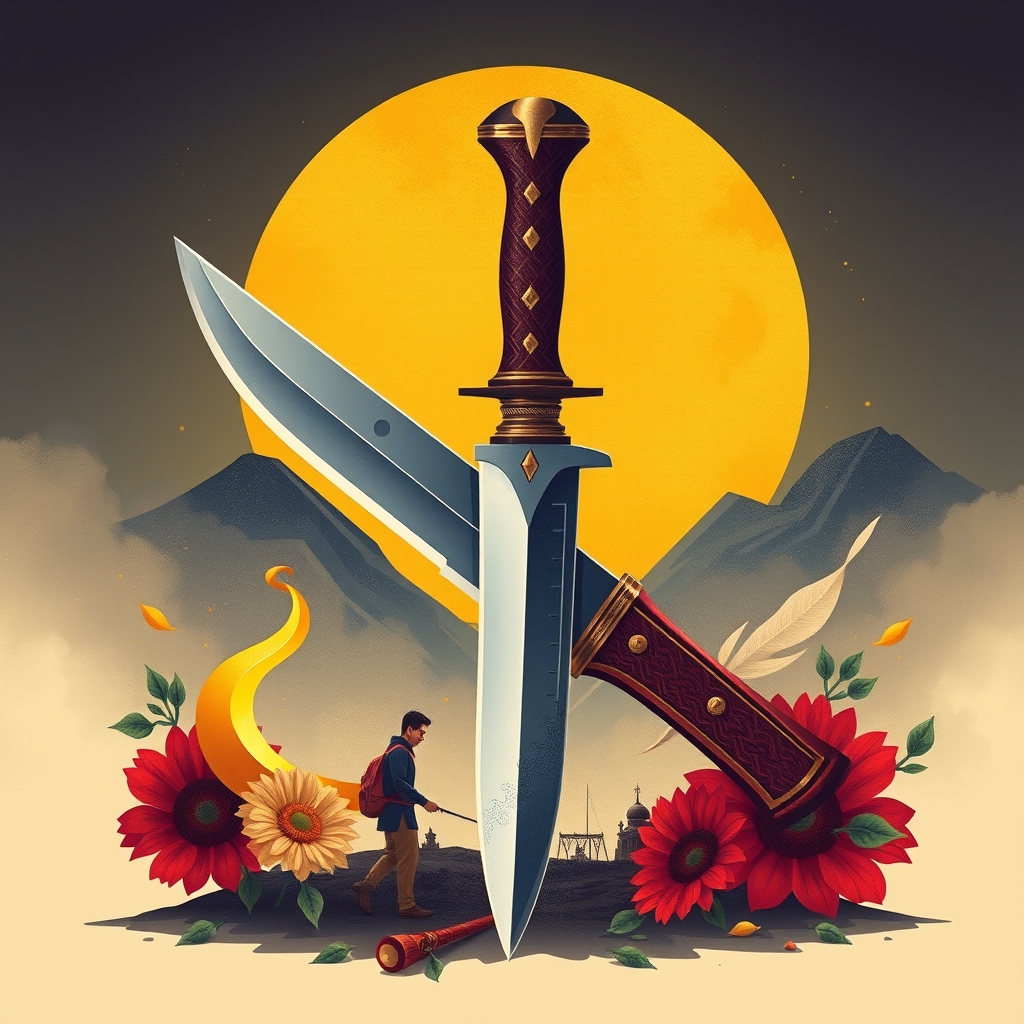
The Khukuri: Understanding the Symbol of Gorkha Valor and Identity
The Khukuri, a distinctive curved blade, stands as much more than a weapon; it is a profound symbol of the courage, loyalty, and storied military heritage of the Gorkha people. From the unification of Nepal to their legendary service in global modern militaries, this tool embodies a legacy of martial excellence that continues to command respect worldwide.
A Legacy Forged in History and Steel
The origins of the Khukuri are deeply intertwined with the rise of the modern Nepali state. Following 1744, the weapon became central to the Gorkha soldiers fighting under King Prithvi Narayan Shah during the Nepal Unification Campaign. This era established the Khukuri not just as a tool for survival, but as a political and military instrument that shaped the geography of the Himalayas.
Technically, the Khukuri is a marvel of functional design. Typically measuring between 16 to 18 inches, the blade is forged from high-quality spring steel. A critical design feature is the notch at the end of the blade, engineered to allow blood or sap to drip off, preventing the handle from becoming slippery during combat or heavy labor. Beyond the battlefield, it remains an essential multi-purpose tool used for carving wood, hunting, and daily sustenance, bridging the gap between a warrior's weapon and a civilian's necessity.
From the Himalayas to Global Military Regiments
The international recognition of the Khukuri’s lethality and the bravery of its wielders began in earnest during the Anglo-Nepalese War in 1814. When British forces encountered the Gorkhas in the rugged mountain terrain, the ferocity displayed by these soldiers changed the course of colonial military history. This encounter led to the recruitment of Gorkhas into the British Army, where they eventually formed the Royal Gorkha Rifles (RGR).
Today, the martial tradition of the Gorkha is preserved across three major military entities. The Nepal Army utilizes the Khukuri for combat, field survival, and ceremonial displays, treating the sharpening of the blade as a ritualistic act of duty. Simultaneously, the Indian Army maintains a robust presence of Gorkha personnel through seven active Gorkha Rifles regiments, ensuring that the spirit of the Khukuri remains central to India's frontline defense.
Ritual, Tradition, and Modern Craftsmanship
The production of the Khukuri remains a testament to generational skill. In traditional workshops, such as those found in Patan, Nepal, blacksmiths use coal-fired furnaces and manual hammers to shape red-hot steel, maintaining a process that has remained largely unchanged for centuries. This craftsmanship ensures that each blade possesses the specific balance required for both precision combat and heavy-duty utility.
For the Gorkha soldier, the Khukuri is a sacred object. It is worshipped during various festivals and serves as a centerpiece during military drills and parades. When soldiers place the blade against their chests during drills, it is a gesture of profound respect and a reaffirmation of their commitment to honor and discipline.
What It Means for India
- Strengthening Defense Ties: The shared martial heritage of the Gorkha Rifles reinforces the deep-rooted security and cultural ties between India and the Gorkha community, which is vital for regional stability.
- Military Tradition and Morale: The integration of Gorkha regiments within the Indian Army serves as a pillar of high-morale, elite infantry capability, particularly in high-altitude Himalayan warfare.
- Cultural Diplomacy: Recognizing the Khukuri as a symbol of shared bravery helps foster a sense of mutual respect in the complex geopolitical landscape of South Asia.