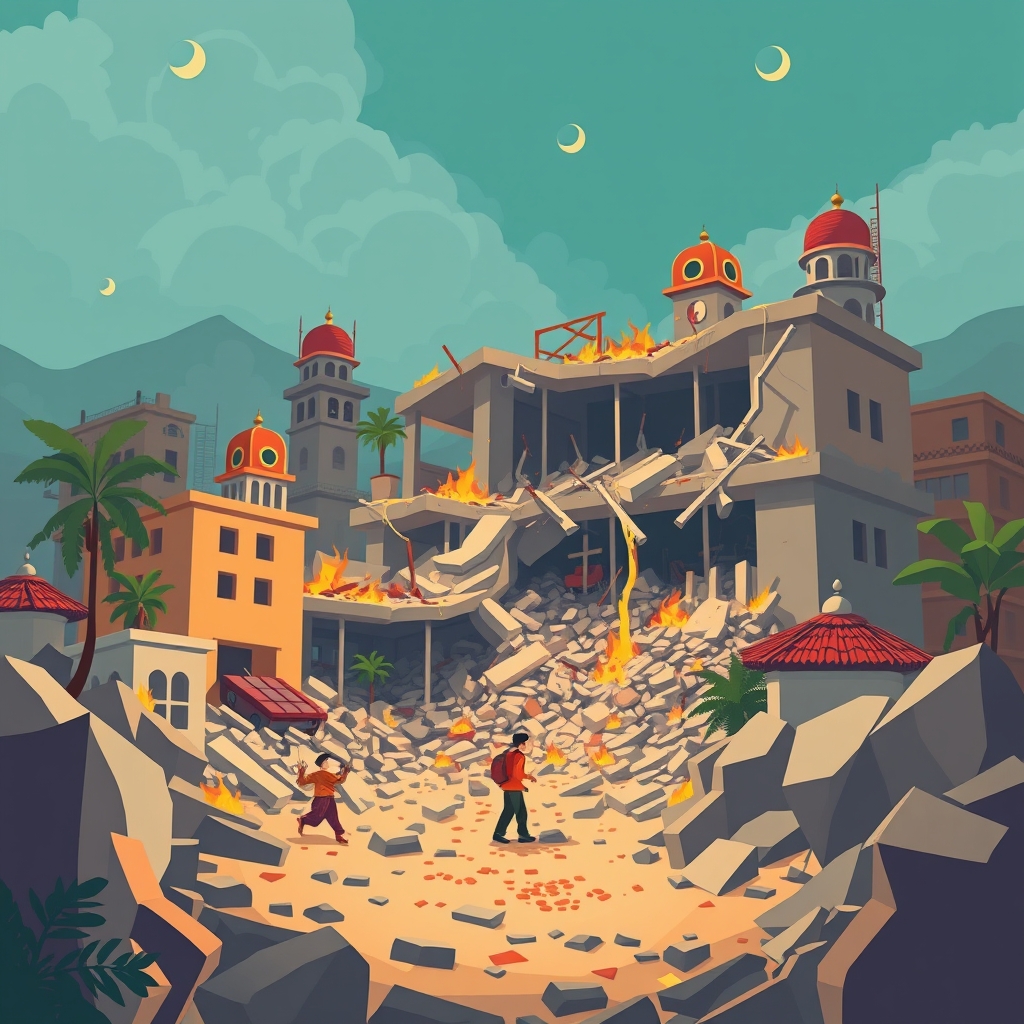
Venezuela Earthquake Crisis: Death Toll Hits 1,430 Amidst Massive Destruction
A catastrophic pair of earthquakes measuring 7.2 and 7.5 magnitude has devastated Venezuela, leaving a trail of destruction and a mounting humanitarian crisis. As search operations intensify, the nation grapples with a staggering death toll and the logistical nightmare of a massive relief operation.
A Nation Under Siege: The Scale of Destruction
On June 24, 2026, Venezuela was struck by a "one-two punch" of massive seismic events that have fundamentally altered the country's landscape. As of Saturday, June 27, 2026, the official death toll has risen to 1,430, with over 3,238 people injured. However, the most harrowing statistic remains the number of missing persons; while official figures cite 68,900, UN aid chief Tom Fletcher has warned that the toll could soar as more than 50,000 people remain unaccounted for.
The state of La Guaira has emerged as one of the hardest-hit regions, where civilians have been forced to use shovels, ropes, and bare hands to dig through toppled concrete. The scale of the damage is immense, with the United Nations estimating physical destruction at approximately $6.7 billion—a figure representing 6% of Venezuela’s total GDP.
Humanitarian Crisis and the International Response
The United Nations migration agency has projected that up to 6.76 million people could be affected by this disaster, requiring urgent access to clean water, sanitation, healthcare, and emergency shelter. This massive displacement of people poses a significant risk of secondary crises, including disease outbreaks and long-term food insecurity.
In the face of local criticism regarding the preparedness of the Venezuelan military and police, an international relief effort is mobilizing. The UN humanitarian agency OCHA reports that search-and-rescue teams from 17 countries are being deployed. Notably, the United States has taken an active role, with C-17 military planes landing at Simon Bolivar International Airport and naval vessels arriving off the coast to provide logistical support. Interim leader Delcy Rodriguez has emphasized that the country is "not alone" in this hour of need.
Geopolitical Complications in Disaster Management
The earthquake has not only caused physical devastation but has also exacerbated existing political tensions within Venezuela. The perceived inadequacy of the domestic response from soldiers and firefighters has led to public outrage, creating a complex environment for international aid agencies.
As foreign powers, including the United States and various international teams, enter the country to provide relief, the disaster becomes a focal point for geopolitical engagement. The ability of the international community to coordinate effectively while navigating the sensitive political landscape of Venezuela will be critical in preventing further loss of life and stabilizing the region.
What It Means for India
- Humanitarian Diplomacy: This crisis presents an opportunity for India to engage through its "Vasudhaiva Kutumbakam" philosophy, potentially contributing to global disaster relief efforts through UN channels or specialized medical and technical teams.
- Global Energy Security: As Venezuela is a significant player in the global energy landscape, prolonged instability and economic damage (6% of GDP) could influence global oil supply volatility, affecting India's energy import costs.
- Disaster Management Expertise: The scale of this catastrophe underscores the importance of India’s growing expertise in disaster response (NDRF model), which can be leveraged in international forums to advocate for better global preparedness and rapid-response protocols.