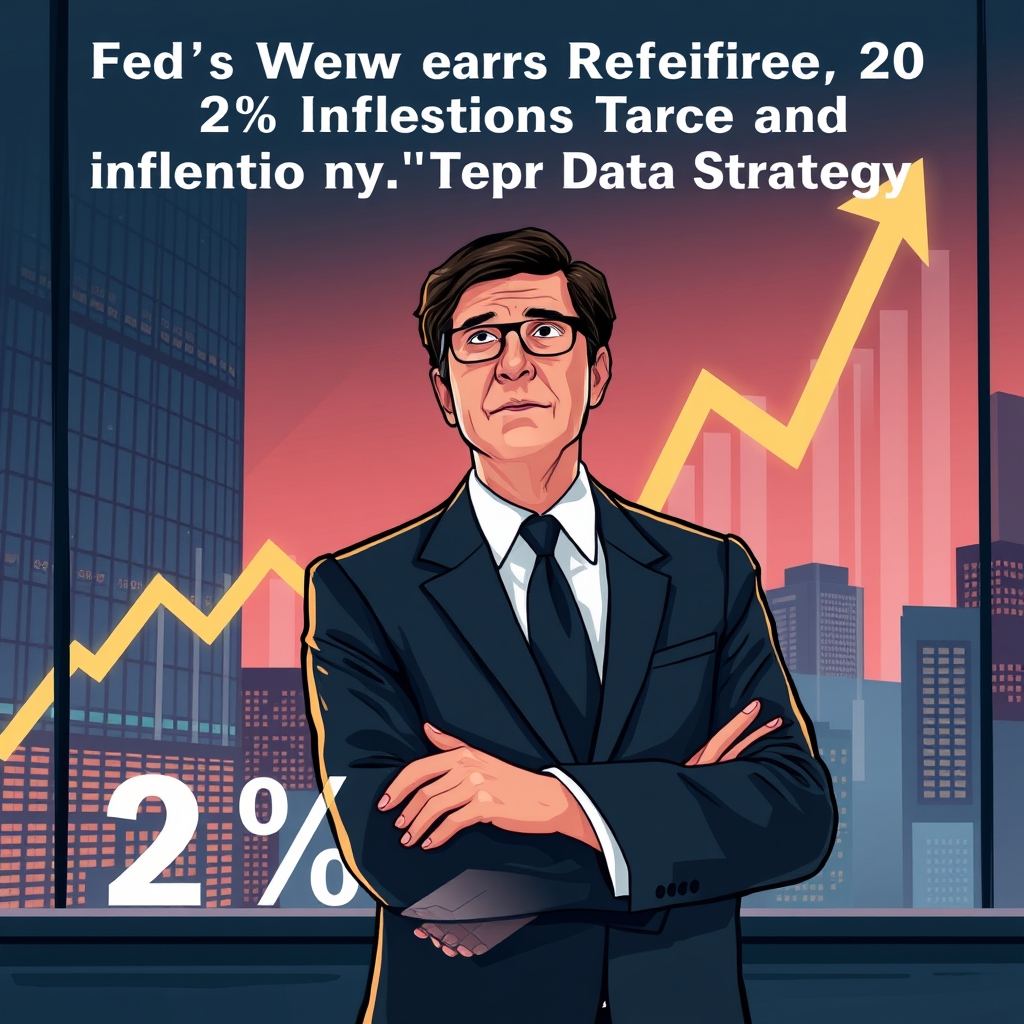
Fed Chair Kevin Warsh Reaffirms 2% Inflation Target and Data Strategy
US Federal Reserve Chairman Kevin Warsh has sent a clear signal to global markets by reaffirming his commitment to the central bank's primary mandate of price stability. Despite increasing political pressure for monetary easing, Warsh emphasized that the Fed will remain steadfast in its pursuit of the 2% inflation target.
Defending the 2% Inflation Mandate
In a significant move that underscores the central bank's focus on long-term stability, Chairman Kevin Warsh declared an unwavering commitment to the existing 2% inflation target. This stance serves as a direct counter-narrative to the recent calls from President Trump for immediate interest rate cuts. By holding this line, the Federal Reserve is signaling to investors and policymakers alike that it will not succumb to external political pressures that might jeopardize its mission to curb inflation.
Warsh's stance suggests that the Fed believes there is still work to be done to ensure inflation remains anchored at the desired level. For global markets, particularly in emerging economies like India, this indicates a cautious approach from the US central bank, implying that the era of rapid and aggressive rate cuts may not be arriving as quickly as some optimists had hoped.
Prioritizing Independence and Real-Time Data
A cornerstone of Warsh’s communication was the preservation of the Federal Reserve's institutional independence. He made it a point to highlight that monetary policy decisions must be insulated from political cycles to ensure the credibility of the US dollar and the stability of the global financial system.
To enhance the precision of these decisions, Warsh announced a strategic shift toward leveraging real-time economic data. Traditionally, central banks have relied on lagging indicators, such as monthly employment reports or quarterly GDP figures, which can sometimes result in policy decisions being made on outdated information. By integrating real-time data into the Fed's decision-making framework, Warsh aims to make interest rate adjustments more proactive rather than reactive. This technological and analytical evolution is intended to help the Fed navigate volatile market conditions with greater agility and accuracy.
Implications for Global Markets
The Fed's decision to stick to a strict inflation target while modernizing its data approach has significant ramifications for international capital flows. For Indian markets and the RBI, a hawkish or "steady" Fed often means sustained pressure on the US Dollar, which can influence the movement of the Rupee and the cost of capital for Indian corporations with dollar-denominated debt.
As the Fed pivots toward a more data-driven, real-time model, market participants should prepare for potentially more frequent or nuanced shifts in monetary policy. The focus will shift from waiting for monthly reports to monitoring high-frequency economic indicators that provide a live pulse of the American economy.
Key Takeaways
- Commitment to Stability: Chairman Warsh reaffirmed the 2% inflation target, signaling that the Fed will not rush into rate cuts despite political pressure.
- Institutional Independence: The Federal Reserve emphasized its autonomy, asserting that monetary policy decisions will remain decoupled from political influence.
- Data-Driven Evolution: The Fed plans to integrate real-time economic data into its decision-making process to improve the speed and accuracy of interest rate adjustments.