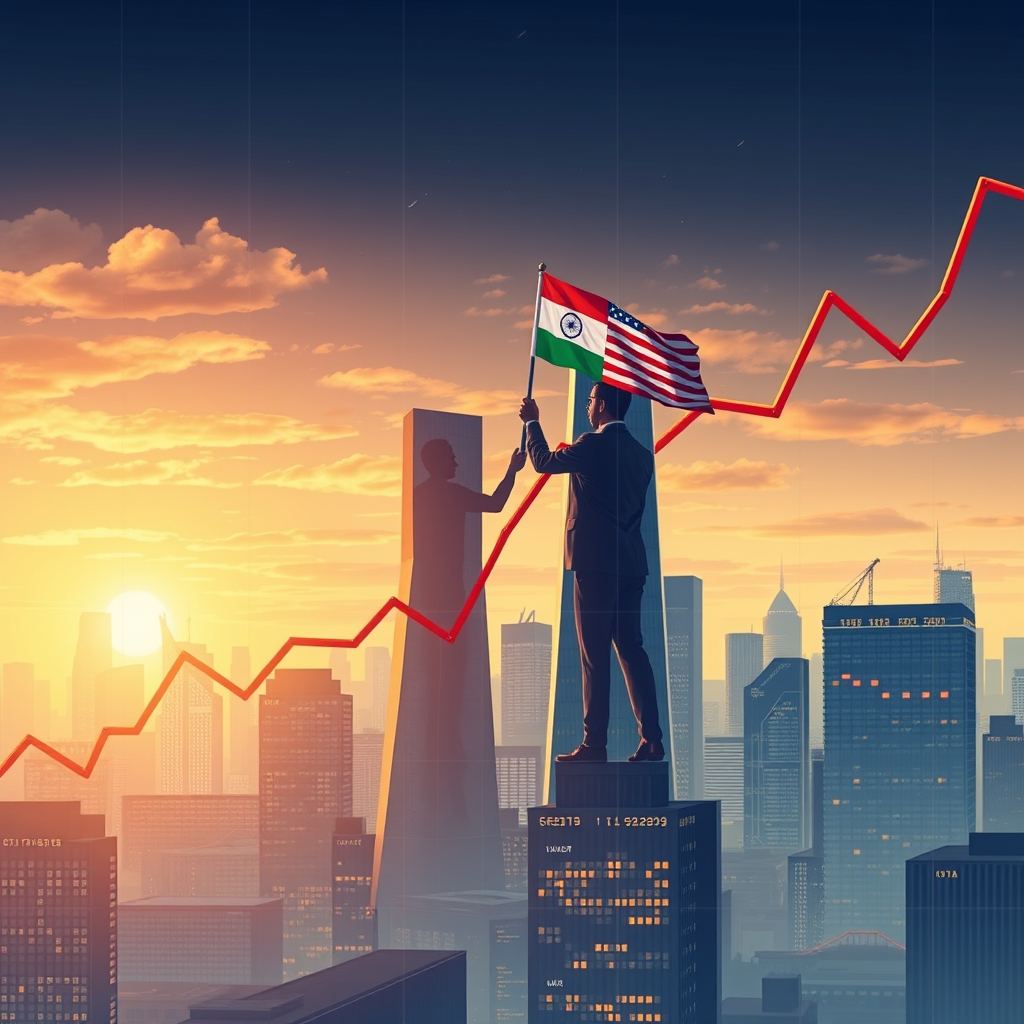
India and US Race to Finalize Trade Deal Before Tariff Deadline
India and the United States are intensifying bilateral negotiations to finalize a strategic trade agreement before a critical 10% tariff deadline approaches. Both nations are working to navigate complex economic interests to ensure market stability and bolster the growing Indo-US economic corridor.
The Race Against the 10% Tariff Deadline
The primary driver behind the current urgency in diplomatic and trade circles is the impending expiration of a specific tariff window. Both New Delhi and Washington are keen to resolve long-standing disputes and establish a framework for duty structures before the projected 10% tariff implementation takes effect.
Failure to reach an agreement before this deadline could lead to increased costs for exporters and importers in both nations, potentially disrupting supply chains in critical sectors. For India, the goal is to protect its manufacturing interests, while the US aims to secure better market access for its high-tech and agricultural products.
Navigating Key Areas of Economic Friction
While the spirit of cooperation is high, several friction points remain on the negotiating table. The discussions are expected to delve into sensitive areas such as digital trade regulations, intellectual property rights, and market access for American agricultural goods.
India has historically maintained a protective stance on certain domestic sectors to support local producers, whereas the US has pushed for more liberalization in services and technology sectors. Negotiators are currently focused on finding a "middle path" that allows for increased bilateral trade volumes without compromising national economic priorities. This includes addressing concerns over data localization laws and the taxation of digital services, which have been recurring themes in previous trade dialogues.
Strengthening the Strategic Economic Partnership
Beyond the immediate pressure of the tariff deadline, this trade deal is seen as a cornerstone of the broader Indo-US strategic partnership. As global companies look to adopt a "China Plus One" strategy, India is positioning itself as a premier alternative for manufacturing and global supply chain integration.
A finalized trade agreement would provide the legal and economic certainty required for massive Foreign Direct Investment (FDI) inflows from US-based multinationals into India. By reducing trade barriers and harmonizing standards, both countries aim to create a more resilient economic ecosystem that can withstand global geopolitical shifts and supply chain vulnerabilities.
Key Takeaways
- Urgent Timeline: Both nations are racing to conclude negotiations to avoid the economic disruptions associated with an upcoming 10% tariff implementation.
- Strategic Alignment: The deal is not just about duties; it is a vital component of the broader strategy to diversify global supply chains away from China.
- Complex Negotiations: Success depends on balancing India's domestic protectionist needs with the US demand for increased market access in agriculture and technology.