Ecuador’s New Pet-Friendly Wedding Policy Signals Shifting Social Norms
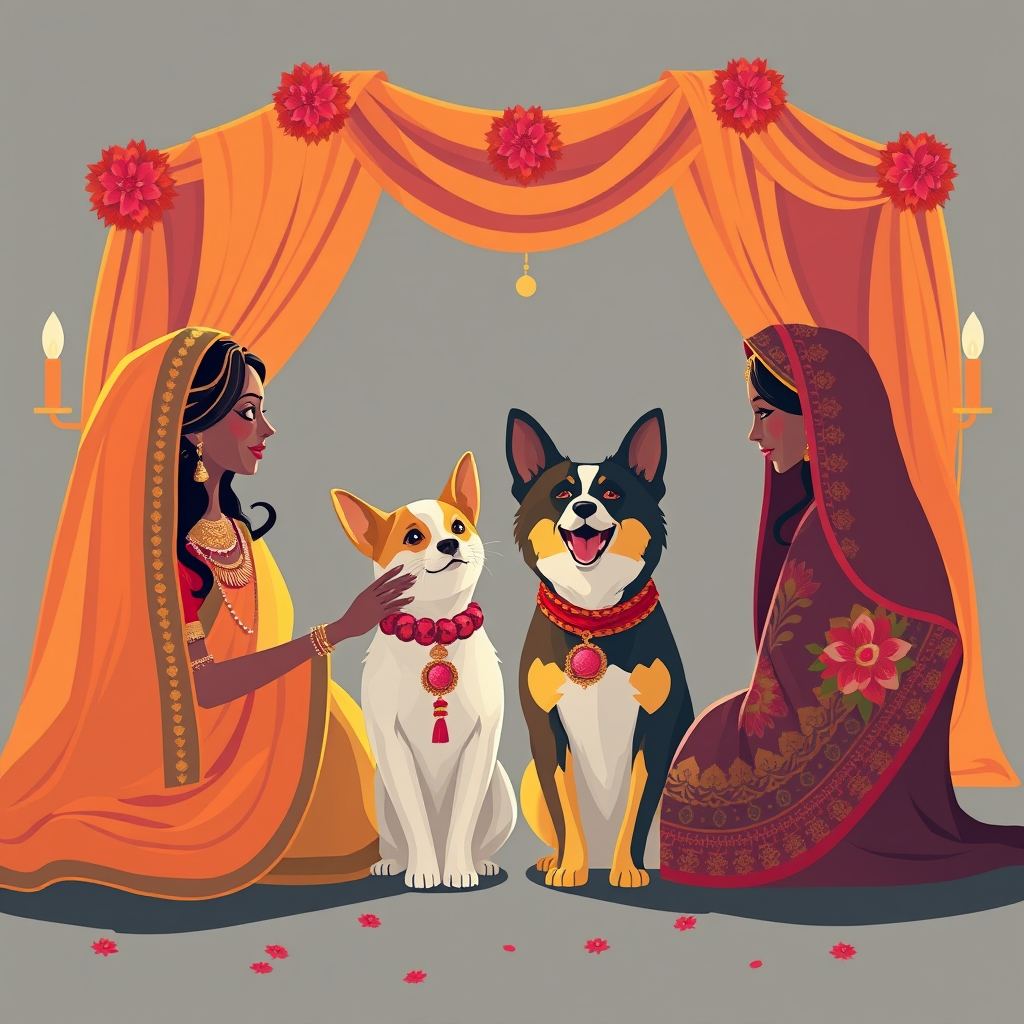
In a significant departure from traditional matrimonial customs, Ecuador has officially authorized "pet-friendly" weddings, allowing animals to serve as symbolic witnesses. This cultural shift, exemplified by the recent wedding of Diana Tupiza and Andres Alquinga in Quito, marks a growing global trend in how modern societies define family and companionship.
A Symbolic Shift in Civil Ceremonies
The recent wedding of engineer Diana Tupiza and programmer Andres Alquinga in Quito has captured international attention. Their Pekingese pup, Luna, dressed in a pink tulle gown, played a central role by stamping her paw print on a specialized "symbolic marriage certificate." While the paw print holds no legal weight compared to the signatures of human witnesses, the Ecuadorian Civil Registry has officially integrated this practice to accommodate evolving social values.
Otton Rivadeneira, the director of Ecuador's Civil Registry, stated that the policy change is a direct response to "current, modern needs." This move highlights a broader demographic shift where pets are increasingly viewed as integral members of the household unit rather than mere property.
Demographic Drivers: The Rise of the "Pet Parent"
The legislative flexibility in Ecuador is backed by striking demographic data. According to the country's latest census, nearly 7.6 million out of Ecuador's 19 million citizens own dogs or cats. This number is particularly noteworthy as it is almost double the number of children aged 12 and under in the country.
As urbanization and changing economic structures influence family planning, the role of domestic animals has expanded. In Quito, the decision to include Luna was driven by the couple's desire to acknowledge the emotional support animals provide. While some traditionalists, such as the bride's mother Luz Lima, initially questioned the legal prudence of animal witnesses, the sentiment of "modern times" has largely prevailed.
Regional Trends in Latin America
Ecuador’s move places it at the forefront of a social evolution in Latin America. While the region is traditionally known for conservative social structures, there is a growing divergence in how different nations handle non-traditional family expressions. Currently, most other Latin American nations strictly require human witnesses for civil ceremonies, though countries like Argentina and Mexico have begun making rare exceptions.
Ecuador’s proactive stance reflects a government's attempt to remain culturally relevant to a citizenry that is increasingly prioritizing companionship and emotional bonds within the domestic sphere.
What It Means for India
While the context of pet-friendly weddings is culturally specific to Latin America, the phenomenon offers several insights for the Indian strategic and social landscape:
- Changing Demographic Patterns: Much like Ecuador, India is witnessing a rise in "pet parenting" among urban professionals, particularly in Tier-1 cities. As nuclear families become the norm and birth rates fluctuate, the economic and social importance of the pet industry is set to grow significantly.
- Social Legislation and Evolution: This development serves as a case study in how civil registries and legal frameworks must eventually adapt to shifting social norms to maintain public relevance and social cohesion.
- Soft Power and Global Trends: The globalization of "modern lifestyle" trends—including pet-centric celebrations—reflects a shared global shift in consumer behavior and social values, which impacts everything from retail and service industries to the legal definitions of a domestic household.