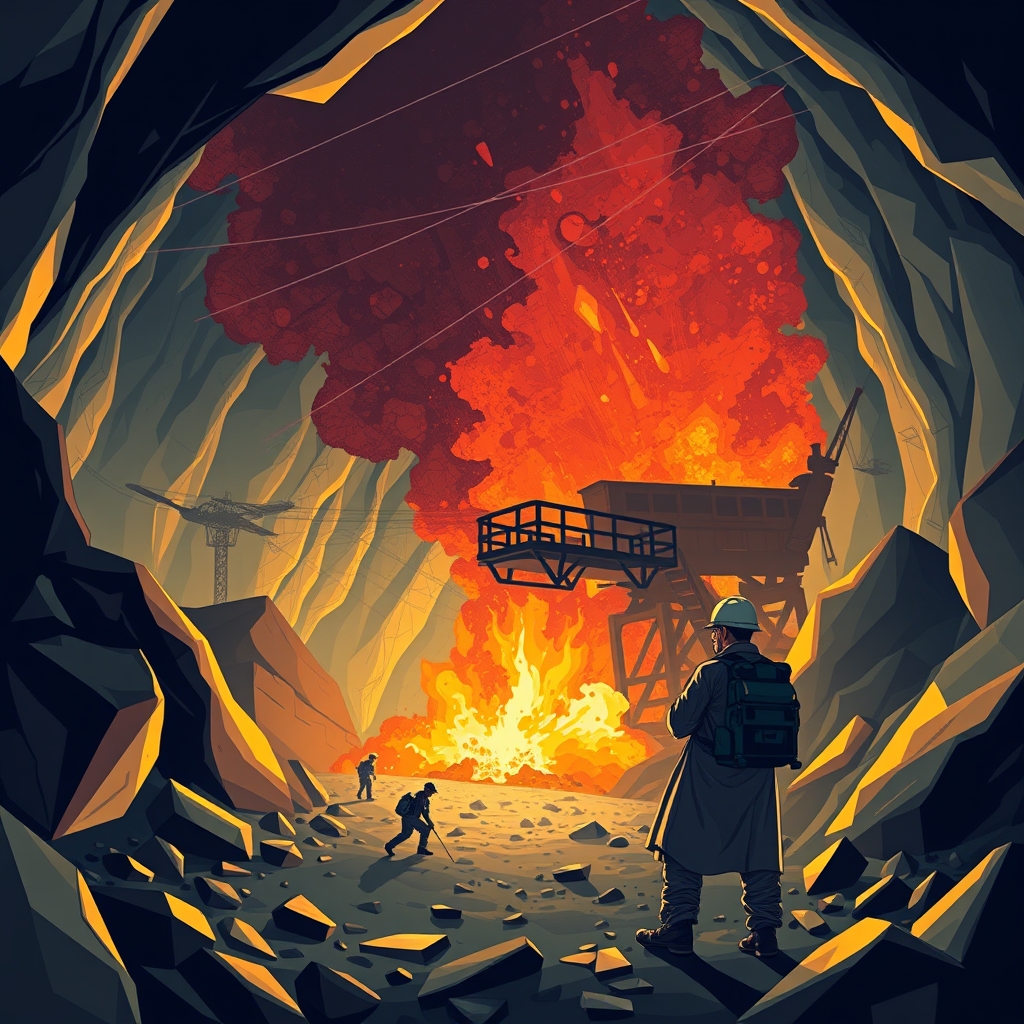
Article: A catastrophic methane gas explosion ripped through a coal mine in Pakistan's Balochistan province, killing at least thirty-four miners. Rescue crews are still searching for ten workers trapped underground, highlighting the volatile safety conditions in the region's extractive industries.
The Tragedy in Balochistan
The blast hit Balochistan, a province rich in minerals but plagued by precarious socio-economic conditions. A sudden release of methane—a highly flammable byproduct of coal mining—devastated the mine shafts.
Emergency teams rushed to the site, working in hazardous conditions to locate the ten missing miners. Pakistani authorities announced compensation packages for the victims' families, but the incident reignited fierce debate over the lack of modern safety protocols and ventilation technology in the country's mining sector.
Systemic Safety Failures in Pakistan's Mining Sector
This disaster reflects deep-seated systemic issues in Pakistan's industrial infrastructure. Mining firms in Balochistan often operate under weak regulatory oversight, where the drive to extract resources trumps stringent safety standards.
Methane buildup is a known hazard, yet the frequency of explosions points to a critical failure in gas monitoring and ventilation. As the country relies on mineral exports to stabilize its struggling economy, the human cost of these accidents reveals a widening gap between resource exploitation and worker protection. The absence of automated sensors and clear evacuation protocols leaves laborers exposed to predictable geological and chemical risks.
Regional Stability and Resource Management
Balochistan sits at the crossroads of mineral wealth and regional energy corridors. It draws geopolitical interest, notably from the China-Pakistan Economic Corridor (CPEC), which seeks to use the province's resources for broader connectivity.
Industrial instability and loss of life in key resource areas can inflame local grievances and spark unrest. Frequent mining accidents fuel resentment among residents who feel their land's wealth is extracted at the cost of their lives, without adequate development benefits or safety guarantees.
What It Means for India
- Regional Security Implications: Ongoing instability and socio-economic distress in Balochistan, amplified by industrial disasters, raise the risk of internal unrest that directly impacts India's border security.
- Energy and Trade Volatility: Disruptions in Pakistan’s resource extraction sectors destabilize its economy, potentially affecting regional trade patterns and the South Asian energy market.
- Monitoring Non-State Dynamics: Accidents often stoke local discontent; India must watch how such tragedies influence radicalization or mobilization of groups in Balochistan.
The explosion stemmed from a sudden methane release. Emergency responders battled hazardous conditions to find the missing workers while families waited for news. Pakistani officials announced compensation for victims' families, but the tragedy spotlighted longstanding gaps in safety oversight and ventilation across the province's extractive sector.
Why the accident matters
The loss of life in a single mine reverberates beyond the immediate community, exposing a systemic mismatch between resource extraction and worker protection. When a mine can explode with such devastation, questions arise about the adequacy of gas monitoring, ventilation, and evacuation procedures meant to prevent this scenario.
The regulatory backdrop
Mining in Balochistan operates under a framework many describe as “substandard.” Inspections are infrequent, and enforcement of existing safety standards is uneven. Production pressures often outweigh investment in modern safety equipment, such as automated methane sensors and reliable ventilation shafts. Critics argue the blast was a predictable outcome of chronic under-investment, not a freak incident.
Economic stakes and political pressure
The province anchors several regional projects, most notably the China-Pakistan Economic Corridor, which envisions expanded infrastructure and higher mineral output. Frequent industrial accidents undermine confidence in the stability needed for long-term investments. Local grievances over safety and perceived inequity of resource extraction have historically fueled unrest; each new incident adds weight to calls for a fairer share of mining revenues and better working conditions.
What’s next for the rescue and investigation
Rescue efforts continue as ten miners remain trapped.
Broader implications for the region
- Social dynamics: Repeated accidents risk deepening local resentment, potentially feeding broader anti-government sentiment.
Takeaway
The Balochistan blast underscores a stark reality: without decisive action to upgrade safety infrastructure, the very resources that drive Pakistan’s economy will continue to exact a heavy human toll.