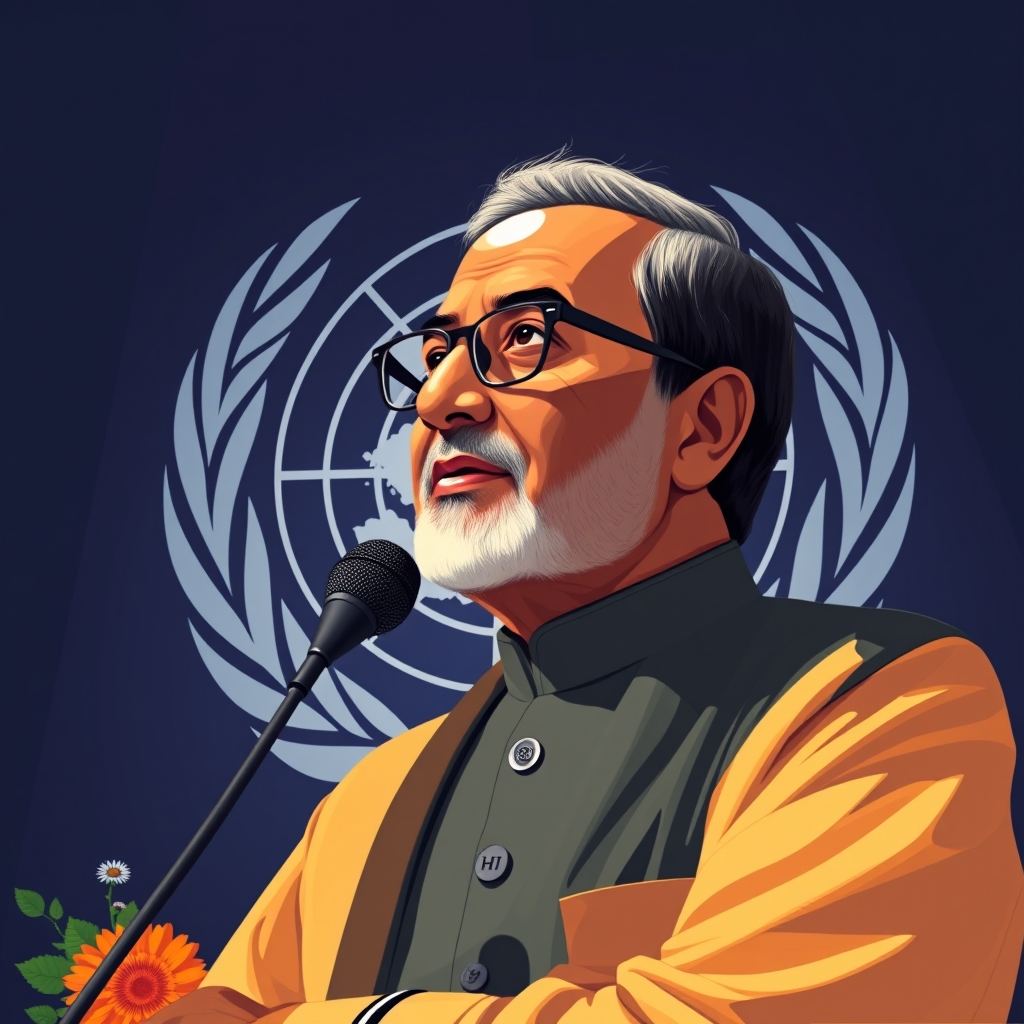
Jaishankar at UN: India Launches Campaign for UNSC Seat in 2028-29
External Affairs Minister S. Jaishankar met UN Secretary-General Antonio Guterres in New York to discuss escalating global instabilities in West Asia, Ukraine, and Sudan. This high-level engagement coincided with the official launch of India’s campaign for a non-permanent seat on the UN Security Council for the 2028-29 term.
The SHANTI Doctrine and the Quest for Multilateral Reform
During his visit to the UN headquarters on July 14, 2026, Minister Jaishankar introduced a strategic framework for India’s potential UNSC tenure: 'SHANTI'—Securing Holistic Advancement through Norms, Trust, and Integrity. This vision moves beyond mere participation, positioning India as a proactive architect of global order.
The SHANTI framework focuses on several critical pillars: acting as the definitive voice of the Global South, advancing reformed multilateralism, ensuring future-ready peacekeeping, addressing the emerging threats of Artificial Intelligence (AI) misuse, securing maritime commons, and countering the global menace of terror financing. Jaishankar emphasized that for the United Nations to remain relevant, the Security Council must lead in addressing the "profound paradox" of the modern era—where immense technological capability coexists with unprecedented levels of conflict and instability.
The Battle for the Asia-Pacific Seat
India’s bid for the 2028-29 term is a significant diplomatic undertaking. The elections are scheduled for June next year, where India will face competition from Tajikistan for the single available seat in the Asia-Pacific Group category. This is not merely a procedural election but a contest of legitimacy and representative power.
India’s history with the UNSC is extensive, having served eight previous terms, most recently in 2021-22. By launching this campaign now, New Delhi is signaling that the current "world in disorder" requires the presence of a nation that has historically bridged differences and built consensus. The campaign was bolstered by a special video presentation highlighting India’s humanitarian relief efforts and echoing Prime Minister Narendra Modi’s 2023 call to replace the "era of war" with an era of "dialogue and diplomacy."
Navigating Global Crises: West Asia, Ukraine, and Sudan
The discussions with Secretary-General Guterres underscored India’s role as a stabilizing force in a fragmented world. By addressing the volatility in West Asia, the protracted conflict in Ukraine, and the humanitarian crisis in Sudan, Jaishankar reinforced India’s commitment to international peace and security. The meeting highlighted the strength of India-UN cooperation, particularly in how India seeks to democratize global governance to make it more representative of contemporary realities.
What It Means for India
- Leadership of the Global South: A successful UNSC bid will provide India with a formal, high-leverage platform to institutionalize the concerns of developing nations, ensuring that the priorities of the Global South are no longer sidelined in matters of global security.
- Strategic Autonomy and Multilateralism: By pushing for "reformed multilateralism," India seeks to reshape the rules of global governance to better reflect the current multipolar reality, preventing the UN from becoming an obsolete tool of a few powerful blocs.
- Enhanced Security Architecture Role: A seat on the Council will allow India to directly influence global responses to emerging threats, such as AI-driven warfare and maritime insecurity, aligning international norms with India's own strategic interests and security requirements.