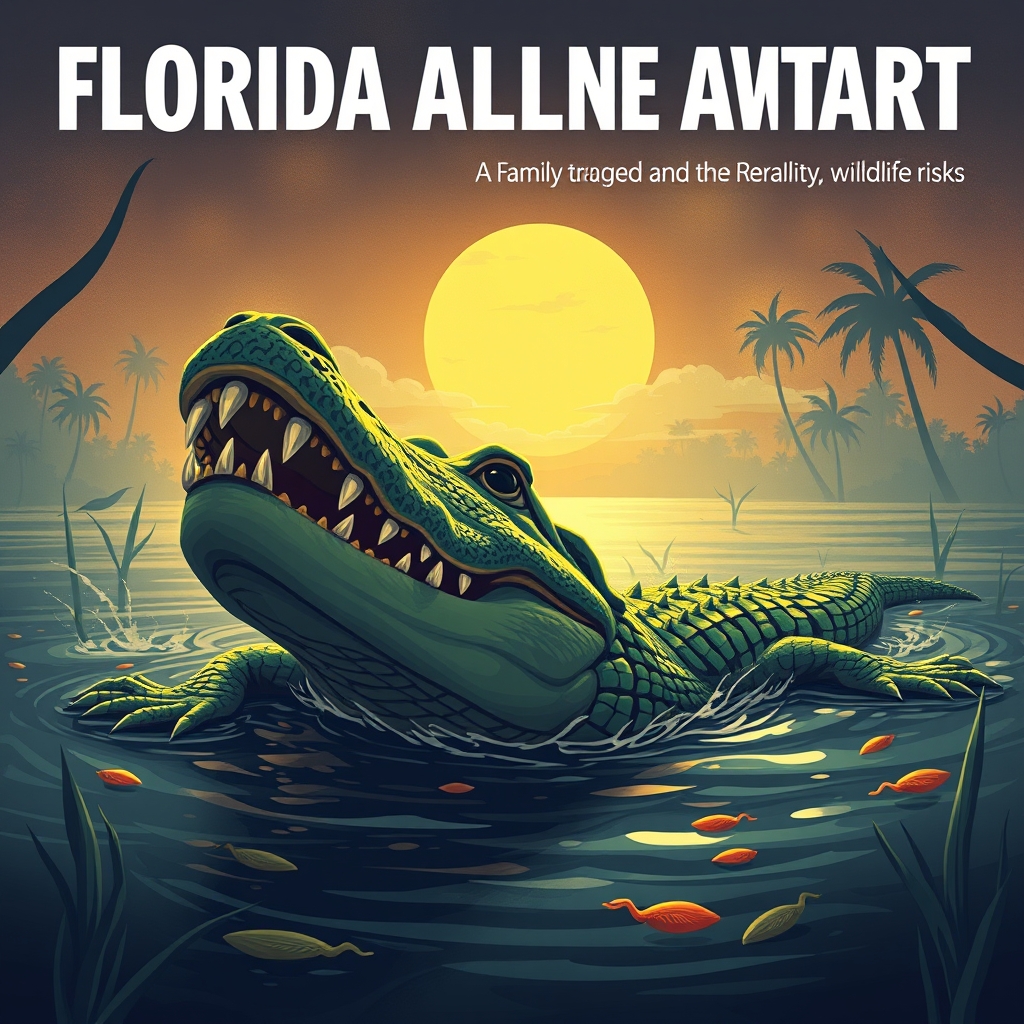
Florida Alligator Attack: A Family Tragedy and the Reality of Wildlife Risks
A routine fishing trip in Marion County, Florida, has turned into a life-altering nightmare for an 11-year-old Pennsylvania boy, Brodie Dituri. After a sudden alligator attack at Nelson's Fish Camp, the family is now facing a long road of medical rehabilitation and emotional recovery.
The Incident at Nelson's Fish Camp
What began as a cherished summer tradition for the Dituri family quickly descended into chaos. While fishing in central Florida, 11-year-old Brodie was attempting to release a caught fish back into the water when an alligator lunged and seized his arm. The attack was sudden and brutal, occurring at the water's edge in a location where the family had frequently visited for years.
Brodie's father, Peter Dituri, acted instinctively, rushing to the scene to attempt to pry the predator's jaws apart while calling for emergency assistance. Local wildlife officers noted that this rapid intervention was critical; had the alligator successfully dragged the boy into deeper water to perform its "death roll," the outcome likely would have been fatal. The attack resulted in the loss of Brodie’s dominant right hand, a permanent injury that has fundamentally changed his life.
Medical Recovery and the Path Ahead
Back in Pennsylvania, the focus has shifted from tourism to intensive medical management. The Dituri family is currently navigating a complex landscape of specialist consultations to determine the best way forward for Brodie. Medical professionals are weighing two primary paths: limb transplantation or advanced prosthetic technology.
Currently, Brodie is showing a preference for prosthetic options as he begins to adjust to his new reality. However, the family emphasizes that the physical injury is only one facet of the tragedy. The psychological impact—specifically the trauma and fear induced by the predator attack—is significant. Peter Dituri noted that his son has developed a deep-seated fear of Florida, effectively ending a long-standing family tradition of annual trips to the Sunshine State.
The Human Element in Crisis Management
A notable aspect of this incident was the immediate response from bystanders. In the chaotic moments following the attack, strangers at the camp rushed to assist the family before emergency services arrived. This community response, combined with the quick thinking of Peter Dituri, is credited with preventing a much more catastrophic outcome. The incident serves as a stark reminder of the unpredictable nature of wildlife encounters in regions where human habitats and predator territories overlap.
What It Means for India
While this is a localized tragedy in the United States, it offers several strategic and cautionary lessons for India:
- Wildlife-Human Conflict Management: As India expands its infrastructure near protected forest zones and wetlands, the management of human-wildlife conflict (such as with tigers, leopards, or crocodiles) must prioritize rapid emergency response protocols and community training to minimize fatalities.
- Tourism Safety Standards: For India to bolster its international tourism appeal, there is a critical need to implement stringent safety guidelines and real-time wildlife monitoring in eco-tourism hubs, ensuring that "nature experiences" do not turn into life-threatening encounters.
- Advancements in Medical Technology: The discussion around prosthetics and transplantation in this case highlights the growing global importance of medical technology sectors, an area where India’s growing MedTech industry can play a significant role in providing affordable, high-quality rehabilitative solutions.