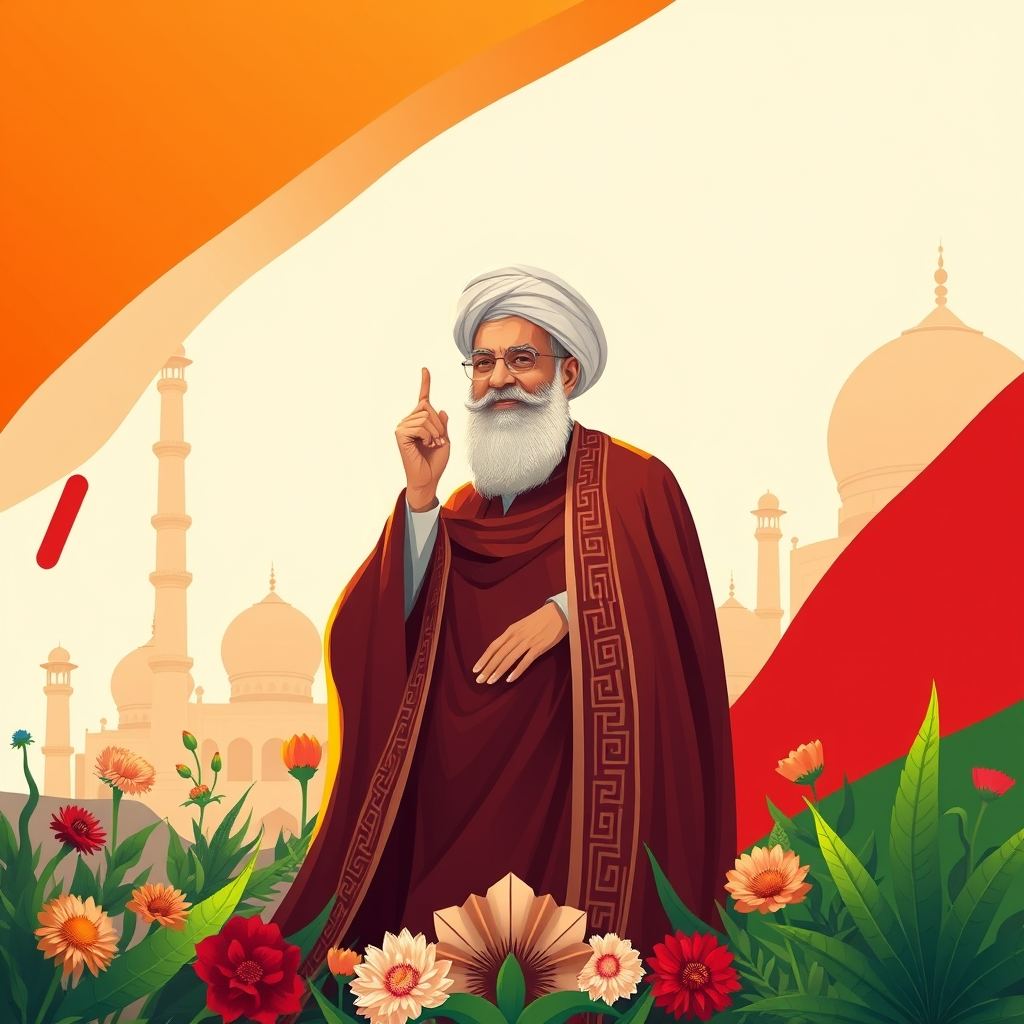
Iran Mourns Ayatollah Khamenei: A Pivotal Moment for West Asia
The Islamic Republic of Iran has entered a period of profound transition as massive funeral ceremonies begin in Tehran for Supreme Leader Ayatollah Ali Khamenei. Following his death on February 28, 2026, during the initial stages of the U.S.-Israeli conflict with Iran, these ceremonies represent more than just mourning; they are a critical litmus test for the stability of the Iranian state.
A Show of Strength Amidst Regional Conflict
As millions of mourners gather at the Imam Khomeini Mosalla Grand Mosque, the scale of the event is intended to serve as a psychological demonstration of resilience. Iranian authorities expect between 15 and 20 million participants in Tehran alone over the next three days. For a nation that has faced intense military pressure from U.S. and Israeli forces, these massive crowds are being framed by the state as a show of strength to external adversaries.
The six-day marathon of ceremonies commemorates a leader who steered the Islamic Republic for thirty-five years, from 1989 until his death at age 86. While the state seeks to project unity, the international community is watching closely for any signs of internal fragmentation or shifts in the power hierarchy during this volatile period.
The Succession Question: Mojtaba Khamenei’s Emergence
A central point of global scrutiny during these ceremonies is the visibility of Mojtaba Khamenei. Following his father's death, Mojtaba was named Supreme Leader within a week, yet he has remained notably absent from the public eye. The world's intelligence agencies and regional neighbors are looking for any indication of his authority and whether he can command the same level of control over the Islamic Revolutionary Guard Corps (IRGC) and other state apparatuses as his father did. The success of this transition will determine whether Iran maintains its current revolutionary trajectory or enters a period of internal realignment.
Post-War Realities and the Shift in Diplomacy
Despite the ongoing tensions, there are emerging signals regarding the future of Iranian diplomacy and trade. Iranian Parliament Speaker Mohammad Bagher Ghalibaf recently suggested that the United States must "accept existing realities" following the recent conflict. In discussions with Uzbekistan’s Speaker of Parliament, Ghalibaf indicated that post-war developments might force a shift in how Washington engages with Tehran.
Ghalibaf has voiced hopes that the current environment could lead to the lifting of sanctions and expanded trade relations. Furthermore, he highlighted a potential shift in regional maritime management, suggesting that joint management of the Persian Gulf and the Strait of Hormuz by Iran and Oman—with reduced American interference—could unlock new opportunities for transit and regional trade cooperation.
What It Means for India
The political evolution in Tehran carries significant implications for India’s strategic and economic interests in the West Asian corridor:
- Energy and Maritime Security: Any instability in the Strait of Hormuz during this succession period poses a direct threat to India’s energy security. However, if Ghalibaf’s vision of joint Iranian-Omani management of the Strait materializes, it could lead to a more predictable maritime environment for Indian oil imports.
- Strategic Autonomy in West Asia: As the geopolitical architecture of the Middle East shifts following the U.S.-Israeli conflict with Iran, India must carefully balance its growing ties with Israel and the UAE while maintaining its vital strategic and historical relationship with Tehran.
- Connectivity and Trade Corridors: A stabilized Iran under a new leadership could accelerate the development of the Chabahar Port and the International North-South Transport Corridor (INSTC), providing India with a critical gateway to Central Asia and Russia, bypassing traditional bottlenecks.