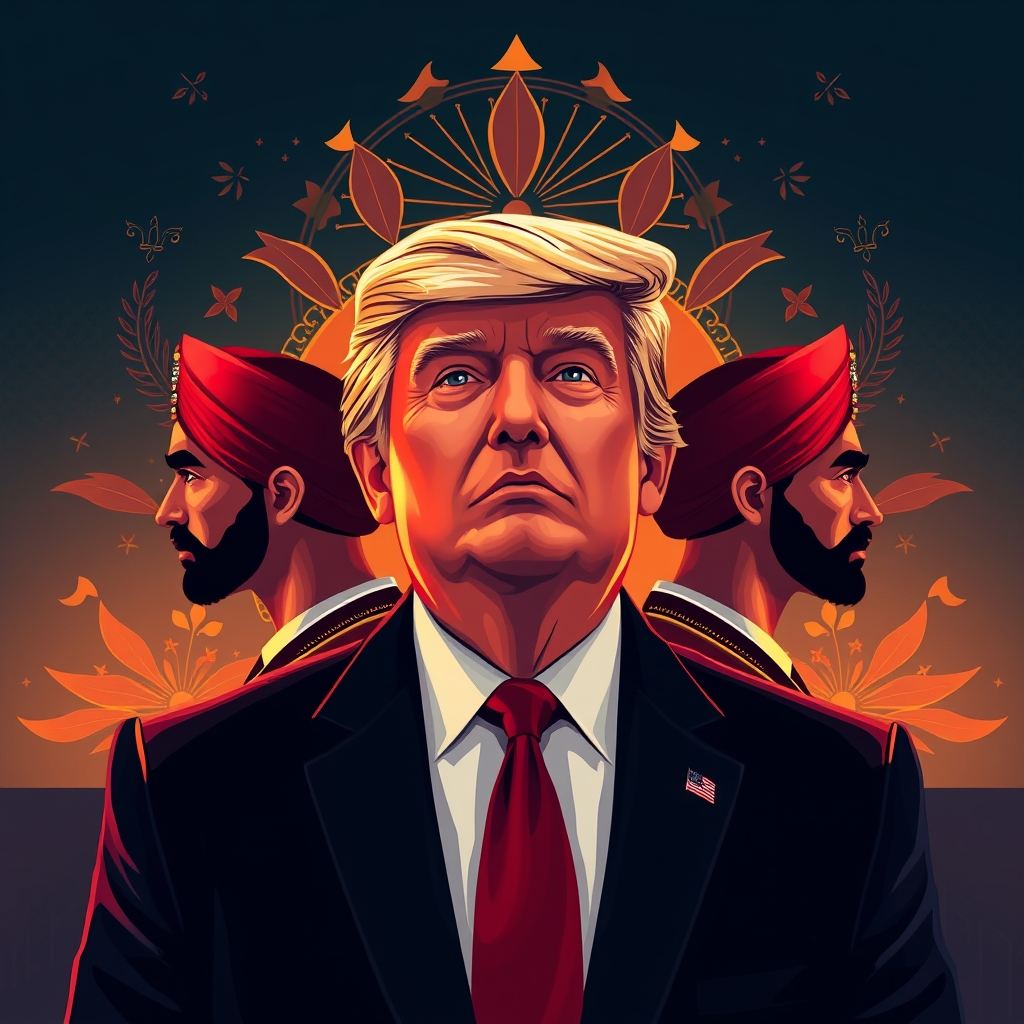
Trump Administration Cuts US Intelligence Ranks Amid Policy Shifts
The U.S. intelligence community is undergoing a period of significant structural upheaval following the announcement of a third round of staff reductions within the Office of the Director of National Intelligence (ODNI). Acting Director Bill Pulte confirmed the move on July 10, 2026, following direct pressure from President Donald Trump to streamline agency operations.
Restructuring the American Intelligence Apparatus
Acting Director Bill Pulte, a close ally of President Trump, announced that the latest round of cuts targets "redundant or non-critical personnel" to increase operational efficiency. While the ODNI has not disclosed the specific number of roles being eliminated, this move marks the third major wave of downsizing under the current administration. This restructuring follows the departure of former Director of National Intelligence Tulsi Gabbard on June 19, 2026.
The administration’s strategy appears to be two-pronged: reducing what it characterizes as wasteful spending and fraud while simultaneously reshaping the leadership of the 18 intelligence agencies under the ODNI’s purview. However, the move has drawn scrutiny from political experts and even members of the Republican party, who worry that the elimination of "vital roles" could undermine the long-term stability of U.S. national security institutions.
Leadership Controversy and Institutional Stability
The appointment of Bill Pulte has been a focal point of domestic debate. Unlike traditional appointees, Pulte lacks prior national security experience, leading to concerns regarding the technical competency of the intelligence oversight process. Critics have warned that the administration’s efforts to install loyalists could lead to the "weaponization" of intelligence against political opponents, rather than maintaining the traditional non-partisan stance required for global espionage and analysis.
As the agency navigates this transition, the focus shifts to the upcoming nomination hearing for Jay Clayton, scheduled for July 15. Clayton is the President's nominee to serve as the permanent Director of National Intelligence. His ability to stabilize the workforce and maintain the integrity of the 18 intelligence agencies will be a critical test for the Trump administration’s foreign policy execution.
Implications for Global Security and Strategic Partnerships
The downsizing of the U.S. intelligence community carries significant implications for the global order. Intelligence agencies do not operate in isolation; they rely on deep-seated networks of human intelligence (HUMINT) and technical cooperation with allied nations. Rapid staff reductions and the potential loss of institutional memory could lead to gaps in information sharing and a decrease in the quality of real-time intelligence provided to international partners.
For much of the world, the efficacy of the U.S. intelligence machine is a cornerstone of regional stability. If the "streamlining" process results in a diminished capacity to monitor geopolitical flashpoints, the resulting intelligence vacuum may force allied nations to reconsider their reliance on American-led intelligence frameworks.
What It Means for India
- Intelligence Sharing Continuity: As a key strategic partner in the Quad and a recipient of high-level intelligence regarding Indo-Pacific security, India will need to monitor whether these U.S. cuts impact the speed and depth of real-time information sharing.
- Shift in Strategic Reliability: A diminished or "politicized" U.S. intelligence apparatus could lead to a period of unpredictability in Washington's security assessments, requiring New Delhi to further strengthen its independent intelligence-gathering capabilities.
- Focus on Bilateral Cooperation: Any reduction in U.S. institutional capacity may necessitate a shift toward more direct, bilateral intelligence cooperation between India’s RAW/IB and specific U.S. agencies, bypassing the broader, potentially unstable ODNI structure.