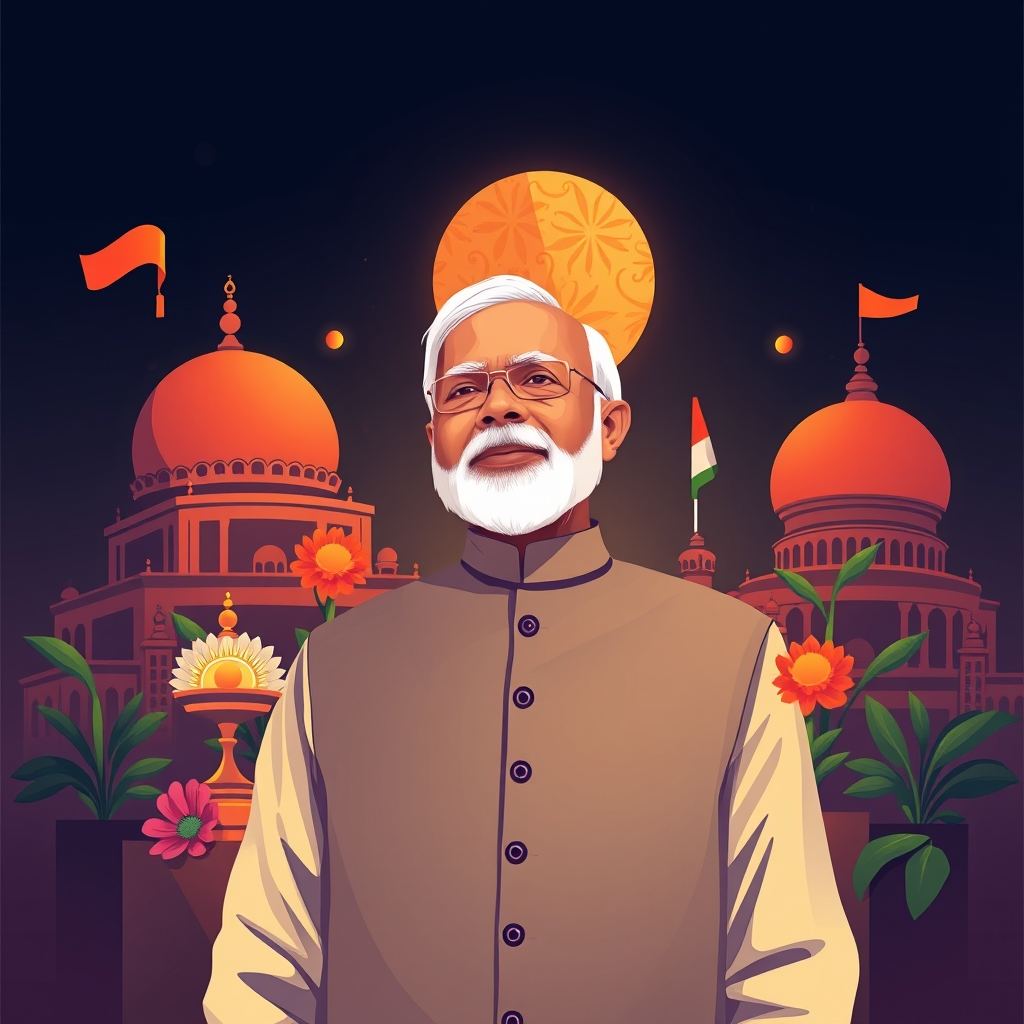
PM Modi Reaffirms Two-State Solution and Deepens Indo-Indonesian Ties
During a high-profile visit to Jakarta on July 7, 2026, Prime Minister Narendra Modi reinforced India's commitment to a peaceful resolution of the Israel-Palestine conflict. Addressing the media alongside Indonesian President Prabowo Subianto, the Prime Minister emphasized that a two-state solution remains the essential path toward lasting peace amidst rising global turbulence.
Diplomatic Clarity on the West Asia Conflict
In a significant diplomatic moment, Prime Minister Modi reiterated India's long-standing stance on the Israel-Palestine issue. By advocating for a two-state solution, India is signaling its preference for dialogue and diplomacy over military escalation. This stance is particularly crucial as the joint statement issued by both leaders expressed "deep concern" over the ongoing war in West Asia and its cascading global effects.
The bilateral discussions also touched upon critical maritime security concerns, specifically regarding the Strait of Hormuz. Both leaders emphasized that transit passage through this vital waterway must strictly adhere to international law, including the provisions of the United Nations Convention on the Law of the Sea (UNCLOS), ensuring the stability of global energy and trade routes.
Strategic Defense Cooperation and Missile Deals
The visit marked a massive leap in India's defense exports and strategic autonomy. India and Indonesia signed 14 agreements and MoUs, most notably "in-principle" deals for the delivery of the BrahMos supersonic cruise missile system and the Astra Mk-1 beyond-visual-range air-to-air missiles.
The Astra Mk-1, manufactured by Bharat Dynamics Limited (BDL), is slated to be integrated into Indonesia’s fleet of Su-30 fighter aircraft. Meanwhile, the BrahMos—a joint venture between India’s DRDO and Russia—will bolster Indonesia's maritime and aerial capabilities. These deals are not merely commercial transactions; they represent a shift in the regional security architecture, positioning India as a reliable provider of advanced, high-tech defense hardware to ASEAN partners.
Strengthening the Indo-Pacific Synergy
The Prime Minister highlighted the "special importance" of the ASEAN grouping, noting a strong synergy between India and Indonesia regarding the Indo-Pacific outlook. This strategic alignment was further cemented through discussions on the integrated development of the Sabang Port. India’s interest in this project includes maritime industries and shore-based services to support offshore energy activities in the Andaman Sea, effectively creating a maritime bridge between the Indian and Indonesian archipelagos.
In a gesture of immense diplomatic respect, President Subianto bestowed upon PM Modi the ‘Bintang Adipurna’, Indonesia's highest honor. This makes the Prime Minister only the second Indian leader to receive the award, following the posthumous recognition of Jawaharlal Nehru, underscoring the historic and enduring friendship between the two nations.
What It Means for India
- Enhanced Defense Diplomacy: The export of BrahMos and Astra missiles elevates India from a net importer to a significant defense exporter, strengthening strategic ties with Southeast Asian nations.
- Maritime Security Leadership: Partnership in the Sabang Port and shared interests in the Indo-Pacific allow India to project power and ensure maritime security closer to the Malacca Strait.
- Balanced Foreign Policy: By reaffirming the two-state solution while deepening ties with Indonesia, India maintains its "strategic autonomy," balancing its relationships in West Asia with its growing influence in the ASEAN region.