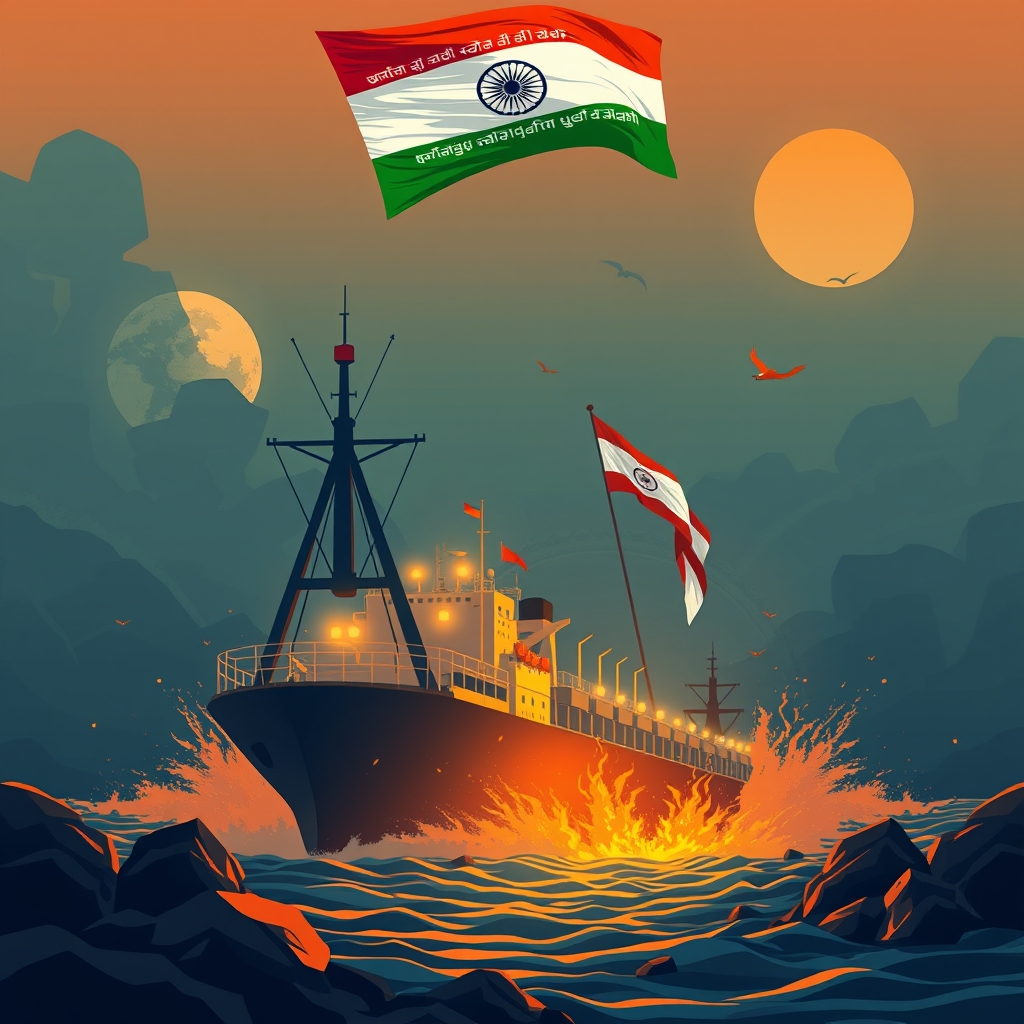
The Strait of Hormuz has returned to the center of global geopolitical volatility after Iran’s Revolutionary Guards reported explosions in the waterway. Conflicting claims from Tehran and Washington now hang over one of the world’s most critical maritime chokepoints.
Conflicting Claims and Maritime Volatility
On July 18, 2026, the Islamic Revolutionary Guard Corps (IRGC) told state news agency IRNA that two oil tankers caught fire after striking mines south of the Strait of Hormuz. The IRGC blamed “deceptive American intelligence” and warned sailors to avoid the southern corridors. It did not name the vessels.
U.S. Central Command (CENTCOM) shot back on X (formerly Twitter), calling the report false. The clash underscores the information warfare driving today’s maritime standoff. The IRGC also said it intercepted four other ships with missiles and drones, accusing them of operating under U.S. military support.
A Strategic Tug-of-War Over Maritime Corridors
For the past week, Tehran has pushed cargo ships and tankers into northern lanes hugging Iran’s coast, effectively trying to close the strait. That move directly challenges the southern routes that the United States and its allies patrol.
In response, the United States has ramped up its presence, re-imposing a naval blockade on Iranian ports and conducting nightly airstrikes on Iranian targets that support surveillance and strike capabilities in the strait. The escalation makes any commercial transit increasingly hazardous.
Implications for Global Energy Markets
The Strait of Hormuz carries a sizable share of the world’s oil. Any disruption—whether from mines, drones, or blockades—spikes global oil prices. A miscalculation could ignite a larger regional conflict and threaten energy security far beyond the Middle East.
What It Means for India
- Energy security risks: India imports most of its crude from the Persian Gulf; sudden price spikes or supply cuts would tighten domestic fuel supplies and raise gasoline and diesel prices.
- Maritime trade vulnerability: Indian vessels regularly cross the strait; heightened threats push insurers to raise premiums and may force reroutes around the Cape of Good Hope, adding weeks and thousands of dollars to freight costs.
- Diplomatic balancing act: New Delhi must juggle support for free-flow commerce, its strategic partnership with the United States, and its trade ties with Tehran.
Iran’s Revolutionary Guard said on July 18 that two oil tankers caught fire after striking mines in the southern part of the Strait of Hormuz and warned all vessels to steer clear. CENTCOM called the report false on X, reviving concerns that a chokepoint handling a sizable share of world oil could become a flashpoint, immediately affecting global markets and India’s crude imports.
Why the claim matters
The strait squeezes global oil flow into a waterway barely two miles wide at its narrowest. Even a brief disruption can swing crude prices by several dollars per barrel. Iran’s allegation of mines detonating two tankers threatens that flow; the U.S. denial pushes a competing narrative to prevent panic. For oil-importing nations—India chief among them—a price spike or delivery delay tightens trade balances and raises transport costs overnight.
Iran’s push to control the waterway
Over the past week, Tehran has instructed commercial ships to use northern lanes along its coastline, sidelining the southern routes patrolled by U.S. and allied warships. The IRGC linked the alleged explosions to “deceptive American intelligence,” implying the mines were a response to U.S. surveillance. It also said it intercepted four additional vessels with missiles and drones, accusing them of U.S. support. This strategy pressures foreign shipping into routes Iran can monitor more easily.
U.S. response and the risk of escalation
Majibu ya haraka ya Centcom kwenye X yalikanusha hadithi ya mlipuko kuwa ya kutungwa, yakilenga kutuliza masoko na kumnyima Iran ushindi wa propaganda. Wakati huo huo, Marekani iliweka tena uzuizi wa kijeshi baharini kwenye bandari za Iran na inaripotiwa ilifanya mashambulizi ya anga ya usiku kila siku dhidi ya malengo ya Iran yanayosaidia uwezo wa uchunguzi na mashambulizi katika mfuniko huo wa bahari. Uzuizi unamaanisha meli za kivita na ndege huzuia kwa makusudi meli kuingia au kutoka katika bandari za Iran, wakati mashambulizi ya anga yanalenga kuharibu miundombinu inayoweza kutumiwa kuweka mabomu ya baharini au kurusha ndege zisizo na rubani (drones). Mchanganyiko huo unaongeza uwezekano wa kosa ambalo linaweza kugeuza tukio dogo kuwa mzozo mpana zaidi.
Maana ya mzozo huo kwa India
- Hatari za usalama wa nishati – India huagiza sehemu kubwa ya mafuta yake ghafi kutoka Ghuba. Kukatizwa kwa muda wowote au ongezeko la bei kutokana na tukio la Hormuz kutakuwa na athari kwa upatikanaji wa mafuta ndani ya nchi na kusukuma juu bei ya petroli na dizeli kwa walaji wa India.
- Unyeti wa biashara ya baharini – Tanki za India na meli kubwa za mizigo hupita mara kwa mara katika mfuniko huo. Vitisho vilivyoongezeka kutoka kwa mabomu ya baharini, makombora au ndege zisizo na rubani (drones) huwalazimu bima kuongeza gharama, na kampuni za usafirishaji zinaweza kubadilisha njia ya meli kuzunguka Cape of Good Hope, jambo linaloongeza wiki kadhaa na maelfu ya dola kwenye gharama za usafirishaji.
- Mchakato wa usawa wa kidiplomasia – New Delhi lazima idumishe usawa kati ya kuunga mkono biashara huru, kudumisha ushirikiano wake wa kimkakati na Marekani, na kuepuka kuuchochea Tehran, ambayo inashirikiana nayo katika masuala ya biashara na kikanda. Mzozo huo unawalazimu wanadiplomasia wa India kushinikiza upunguzaji wa mivutano huku wakifanya mazungumzo ya wazi na pande zote mbili.
Hoja ya kinyume: mashaka juu ya simulizi ya IRGC
Dai la IRGC linategemea taarifa moja tu kwa shirika la habari la serikali, bila kutaja tanki hizo au kutoa uhakiki huru. Picha za satelaiti, data za AIS (Automatic Identification System) zinazofuatilia harakati za meli, na huduma za ufuatiliaji wa baharini za upande wa tatu hazijathibitisha mlipuko wowote. Ukataa wa moja kwa moja wa CENTCOM, ingawa huenda unachochewa na nia ya kuzuia machafuko ya soko, pia unaonyesha ukosefu wa ushahidi unaounga mkono dai hilo. Wachambuzi wanaonya kuwa ripoti hiyo inaweza kuwa mbinu ya shinikizo badala ya taarifa ya ukweli.
Nini cha kufuatilia baadaye
- Ufuatiliaji huru wa baharini – Mashirika yanayokusanya data za AIS na picha za satelaiti yatakuwa ya kwanza kuthibitisha au kupinga upotevu wowote wa meli katika mfuniko huo. Ushahidi wa wazi wa picha wa moshi, moto au mabaki yangeongeza uzito wa simulizi ya IRGC.
- Uwekaji wa kijeshi wa baharini wa Marekani – Ongezeko la idadi ya meli za kivita au ndege za Marekani zinazofanya kazi kutoka kwenye vituo vya karibu kungesema kuna mabadiliko kutoka kwenye kuzuia (deterrence) kwenda kwenye kuzuia kikamilifu (active containment).
- Shughuli za Iran za kuweka mabomu ya baharini – Ugunduzi wa maeneo mapya ya mabomu ya baharini na timu za kusafisha mabomu au meli za kibiashara zinazoripoti vitu vya kutiliwa shaka ungeidhinisha tahadhari za Tehran.
- Mabadiliko ya bei ya mafuta – Ongezeko la kudumu la mafuta ghafi ya Brent au WTI kupita kiwango cha kawaida cha mabadiliko kingeingesha kuwa soko linajumuisha mshtuko wa kweli wa upatikanaji badala ya uvumi.
- Taarifa za sera za India – Maoni rasmi kutoka Wizara ya Mambo ya Nje ya India au Wizara ya Mafuta na Gesi Asilia yataonyesha jinsi New Delhi inavyokusudia kusimamia hali hiyo ngumu ya kidiplomasia.
Swali la haraka si kama tanki hizo mbili zililipuka kweli, bali kama tukio hilo litazisukuma pande zote mbili kuelekea msimamo wa upinzani zaidi katika njia ya maji ambayo ndiyo msingi wa mtiririko wa nishati duniani. Kosa la kukadiria hali kunaweza kugeuza mzozo wa kikanda kuwa uhaba wa mafuta unaoshtua bei, na athari zake zingehisika mbali zaidi ya Ghuba.