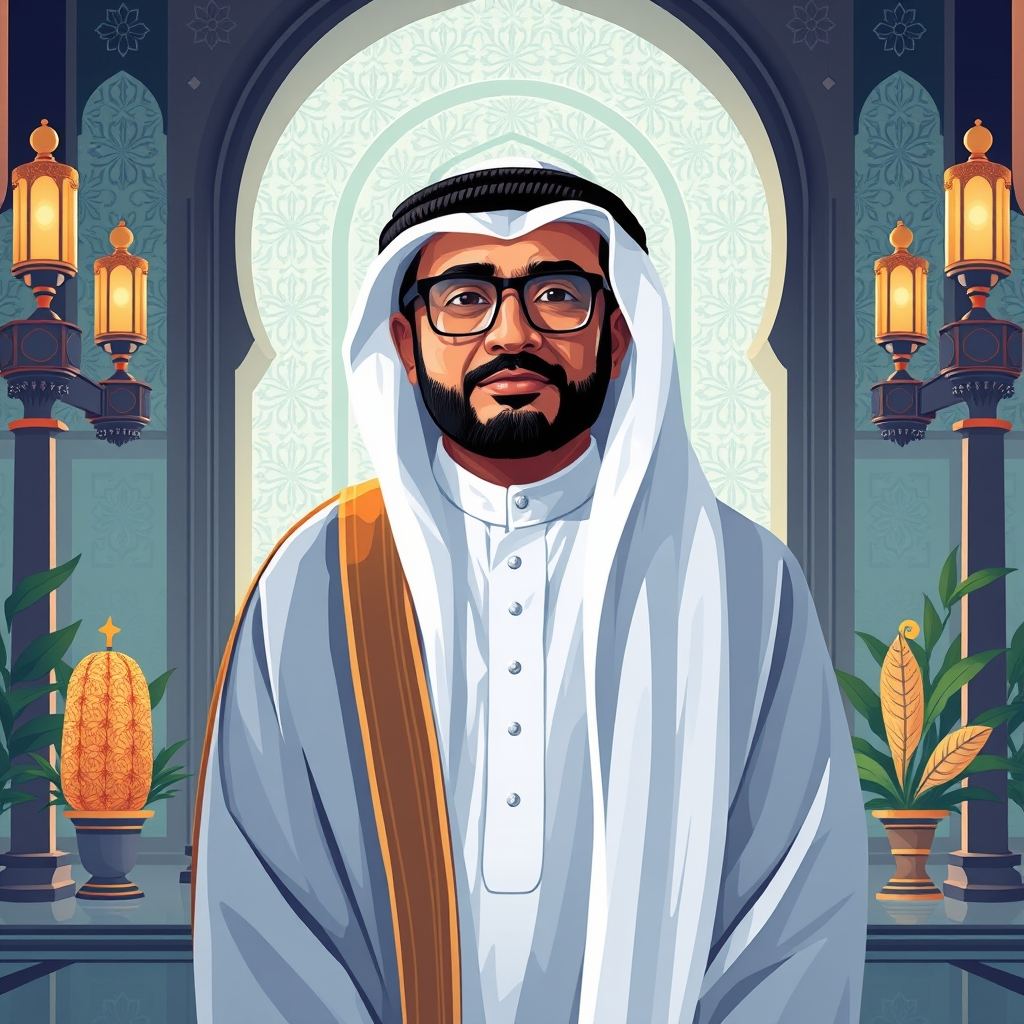
Passing of Sheikh Hamad bin Khalifa Al Thani: The Architect of Modern Qatar
The passing of former Qatari Emir Sheikh Hamad bin Khalifa Al Thani at the age of 74 marks the end of an era for the Persian Gulf. His leadership transformed Qatar from a quiet coastal state into a formidable global heavyweight in energy, diplomacy, and media.
The Architect of Qatar’s Global Ascent
Sheikh Hamad bin Khalifa Al Thani’s tenure was defined by a radical transformation of Qatar’s national identity and economic capacity. Upon taking power, he steered the nation through a period of intense modernization, leveraging Qatar's vast hydrocarbon reserves to build a sovereign wealth profile that is now among the most significant in the world.
Under his leadership, Qatar did not merely accumulate wealth; it projected power through "soft power" channels. The founding of the Al Jazeera satellite news network turned Doha into a central hub for Middle Eastern discourse, while the expansion of Qatar Airways established the nation as a critical node in global aviation. His ability to turn a small peninsula into an international crossroads through strategic investments—ranging from London’s iconic Harrods department store to massive global infrastructure projects—reshaped the geopolitics of West Asia.
A Legacy of Transition and Stability
One of the most significant aspects of Sheikh Hamad’s rule was his departure from traditional monarchical patterns. In June 2013, after 18 years as Emir, he voluntarily abdicated the throne to his son, Sheikh Tamim bin Hamad Al Thani. This orchestrated transition was designed to ensure political continuity and long-term stability, a rarity in the complex political landscape of the Gulf Cooperation Council (GCC) region.
While the official cause of death was not released by the Amiri Diwan following the announcement by the Qatar News Agency, his death leaves a profound vacuum in the historical narrative of the modern Middle East. He leaves behind a nation that is no longer a regional backwater but a vital mediator in international conflicts and a central player in the global energy market.
Strategic Implications for the Indo-Pacific and Beyond
For India, the legacy of Sheikh Hamad is intrinsically linked to the nation’s own energy security and diaspora interests. The stability of the Qatari leadership, established during his reign, has been a cornerstone of the bilateral relationship between New Delhi and Doha. As Qatar continues to navigate the complexities of West Asian politics under his successor, the institutional frameworks built by Sheikh Hamad will dictate the flow of liquefied natural gas (LNG) and the security of millions of Indian expatriates.
What It Means for India
- Energy Security Continuity: The institutionalized economic strength and the robust energy sector established by Sheikh Hamad ensure that Qatar remains a reliable and critical supplier of LNG to India, which is vital for India’s energy transition and industrial growth.
- Diaspora and Remittance Stability: The modernization and economic expansion driven by the former Emir created the high-growth environment that supports a massive Indian diaspora in Qatar, ensuring steady remittance flows and professional opportunities.
- Diplomatic Engagement: As Qatar continues its role as a global mediator, India will continue to engage with the established Qatari diplomatic machinery—built during Hamad’s era—to navigate complex geopolitical shifts in the Middle East and the Indian Ocean region.