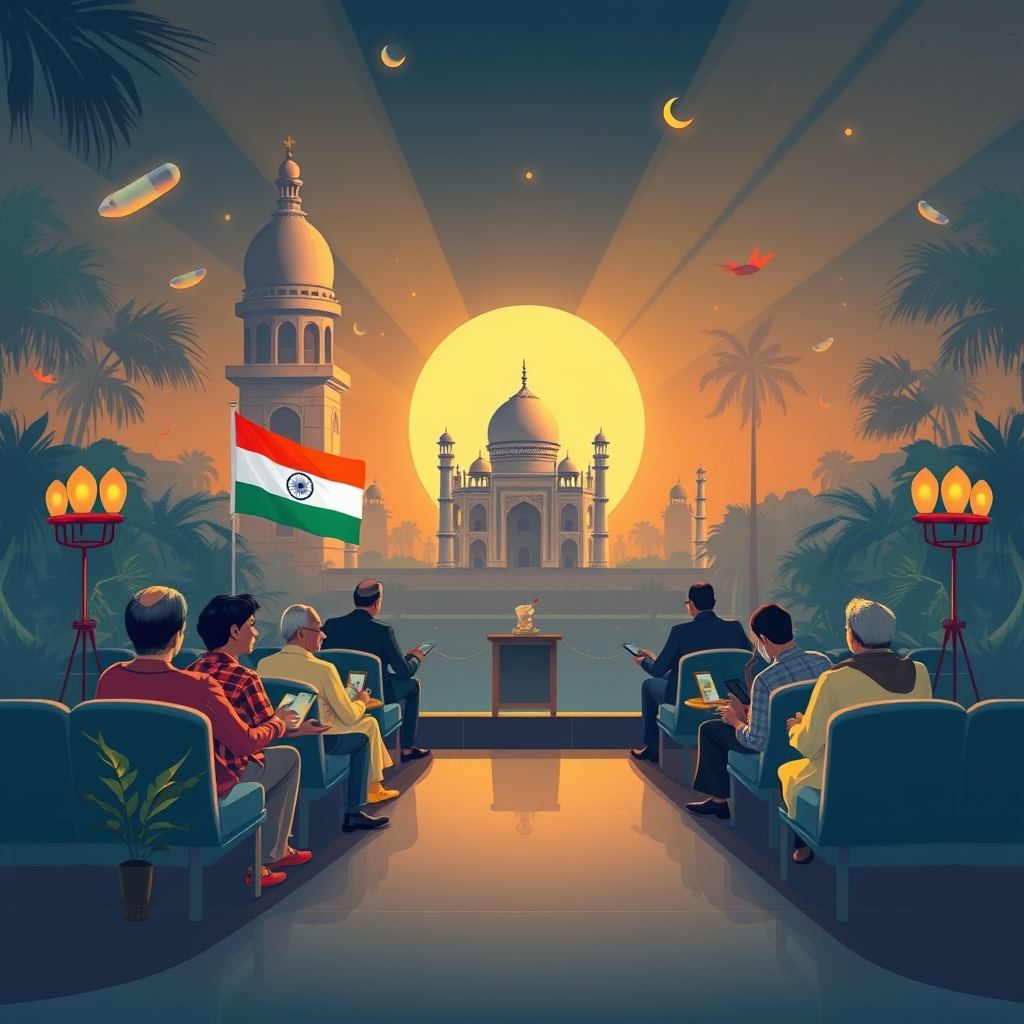
India to Host BRICS Anti-Drug Meeting in Guwahati to Combat Global Trafficking
India is set to host the two-day BRICS Heads of Anti-Drug Agencies meeting in Guwahati starting Monday, July 6, 2026. Organized by the Narcotics Control Bureau (NCB), this high-level summit aims to transition BRICS cooperation from mere dialogue into a structured, action-oriented framework for tackling transnational drug threats.
Addressing the Rise of Synthetic Drugs and Digital Trafficking
The upcoming summit arrives at a critical juncture as the global landscape of narcotics shifts. The Union Home Ministry has identified several emerging transnational challenges that threaten the stability of member nations, including the rapid proliferation of synthetic drugs and new psychoactive substances.
A significant focus of the Guwahati meeting will be the "darknet-enabled trafficking" and the use of cryptocurrency-based financial flows to facilitate illicit trades. As criminal networks become increasingly tech-savvy, the meeting aims to leverage advances in interdiction technologies, data analytics, and financial intelligence. By fostering international cooperation, India seeks to bridge the gap between traditional enforcement and the digital-first methods used by modern cartels.
From Dialogue to Action: Strengthening Institutional Cooperation
India's leadership role in this summit is designed to move BRICS beyond symbolic engagement. As the host, New Delhi intends to drive specific, operational outcomes through enhanced monitoring of precursor chemicals and pharmaceuticals used in drug manufacturing.
The agenda includes several key pillars of cooperation:
- Intelligence Sharing: Real-time information exchange regarding clandestine laboratories and emerging synthetic drug trends.
- Operational Coordination: Developing joint training programmes and expert exchanges to harmonize enforcement efforts.
- Capacity Building: Strengthening the institutional frameworks of member nations to better manage drug-related threats.
The summit is expected to culminate in the adoption of a joint declaration, providing a formal roadmap for the 11 BRICS nations—including Brazil, Russia, China, Egypt, Ethiopia, Indonesia, Iran, Saudi Arabia, South Africa, and the UAE—to coordinate their responses.
Showcasing India’s Comprehensive Narcotics Strategy
The meeting also serves as a platform for India to demonstrate its "whole-of-government" approach to narcotics control. India will highlight its recent release of the Vision Document on Narcotics Control (2026-2029), which outlines a roadmap for strengthening institutional capacity and combatting organized criminal networks.
The Indian model balances stringent enforcement against illicit trafficking with proactive social measures. The Ministry emphasized that India’s strategy places equal importance on awareness generation, community participation, and providing treatment for those affected by addiction. By showcasing this dual approach, India aims to provide a blueprint for other emerging economies facing similar socio-economic challenges.
What It Means for India
- Leadership in Global South Security: By hosting this meeting, India asserts its role as a security provider and a leader in shaping the policy agenda for the BRICS bloc, particularly in tackling non-traditional security threats.
- Strengthening Border and Digital Security: Enhanced intelligence sharing on precursor chemicals and darknet activities directly benefits India's domestic efforts to secure its borders and digital economy from organized crime.
- Diplomatic Leverage: Driving a joint declaration on drug control allows India to build deeper operational ties with diverse partners, including Russia, China, and Middle Eastern nations, on a critical area of mutual concern.