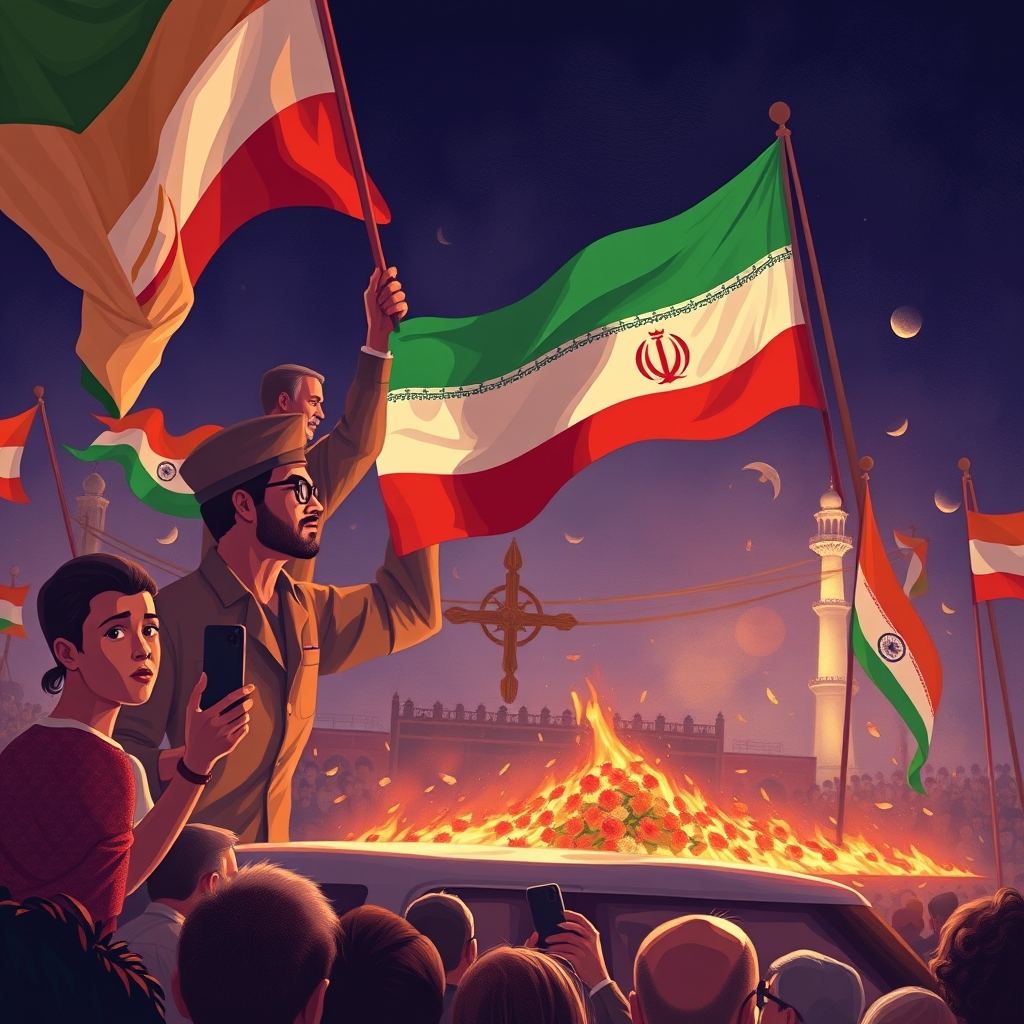
Rising Hostility in Iran: Funeral Rallies Target Trump and Netanyahu
The funeral ceremonies for Iranian Supreme Leader Ayatollah Ali Khamenei have transformed into massive displays of anti-Western sentiment, signaling a hardening of Tehran's geopolitical stance. Mourners at the massive gatherings have issued visceral threats against US leadership and Israeli Prime Minister Benjamin Netanyahu, underscoring the deepening volatility in the Middle East.
Inflammatory Rhetoric at Khamenei’s Funeral
During the large-scale mourning processions for Ayatollah Ali Khamenei, the atmosphere shifted from grief to aggressive political protest. Demonstrators and speakers at the rallies utilized highly inflammatory language, specifically targeting US President Donald Trump and Israeli Prime Minister Benjamin Netanyahu. Chants and slogans emerged calling to "kill them both like dogs," reflecting a deep-seated animosity toward the current leadership in Washington and Jerusalem.
In a symbolic and provocative gesture, mourners reportedly offered land or bounties for the heads of both Trump and Netanyahu. This rhetoric is not merely symbolic; it reflects the intense ideological mobilization within the Islamic Republic. The funeral served as a platform to reaffirm Iran's "Axis of Resistance," a network of state and non-state actors dedicated to countering Western and Israeli influence in the region.
Escalation of the Israel-Iran Shadow War
The vitriol displayed during the funeral comes at a critical juncture in the Middle East's security architecture. The direct confrontation between Iran and Israel has moved from a "shadow war" of proxy battles to a more direct and dangerous military standoff. By specifically targeting Netanyahu, the Iranian populace and leadership are signaling that they view the current Israeli administration as a primary existential threat.
Furthermore, the direct targeting of Donald Trump suggests that the Iranian establishment views the potential return of a more hardline US administration as a catalyst for heightened confrontation rather than a path to rapprochement. This volatility complicates any existing diplomatic channels and suggests that the cycle of retaliatory strikes between Tehran and Tel Aviv is unlikely to subside in the near term.
The Geopolitical Fallout in the Middle East
These displays of public hostility serve two purposes for the Iranian leadership: consolidating domestic support through nationalism and religious fervor, and projecting strength to regional adversaries. The mass mobilization seen at the funeral demonstrates the regime's ability to command significant public presence, which is a vital tool for legitimacy in times of transition or external pressure.
However, this escalation also increases the risk of miscalculation. As rhetoric moves from the diplomatic sphere to calls for extrajudicial killings of world leaders, the margin for error in regional security diminishes. The Middle East remains on a knife-edge, where a single tactical misstep by either the Iranian military or the Israeli Defense Forces could trigger a wider regional conflagration.
What It Means for India
- Energy Security Risks: Increased volatility in the Persian Gulf and the Strait of Hormuz, driven by heightened Iran-Israel tensions, poses a direct threat to India’s energy supply chains and could lead to sudden spikes in crude oil prices.
- Diaspora and Maritime Safety: The escalation of hostilities necessitates heightened vigilance for Indian commercial shipping in the Middle East and underscores the need for India to strengthen its maritime security presence in the Arabian Sea.
- Strategic Balancing Act: India faces a complex diplomatic challenge in maintaining its "de-hyphenated" policy—managing robust strategic and energy ties with Iran while navigating its growing defense and technological partnership with Israel and the United States.