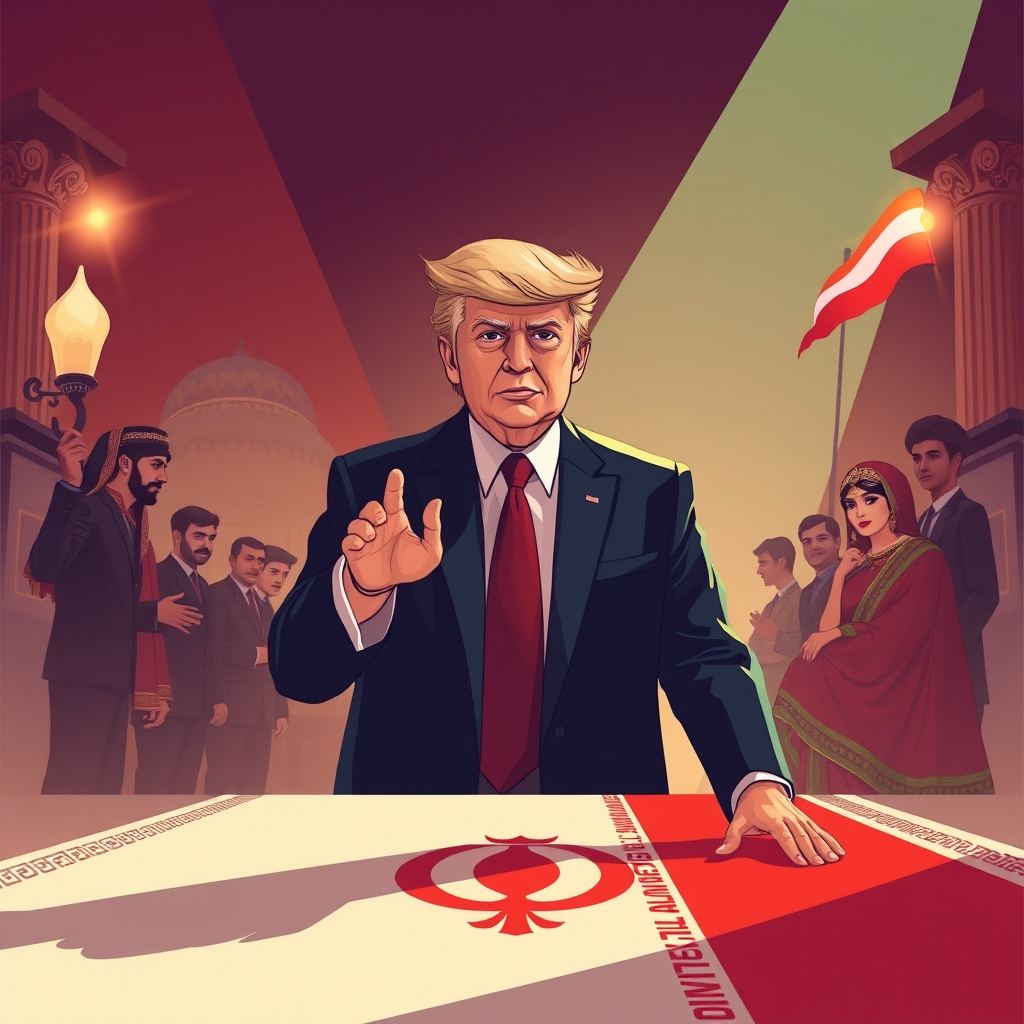
Trump Warns Iran: "I Will Do What I Have to Do" Over Nuclear Deal
As tensions escalate in the Middle East, former U.S. President Donald Trump has issued a stern ultimatum to Tehran, warning that he will take necessary action if Iran violates any nuclear agreements. This sharp rhetoric signals a potential return to a "maximum pressure" campaign, significantly altering the geopolitical calculus for both regional powers and global observers.
The Trump Ultimatum: Defending the Nuclear Threshold
During recent communications, Donald Trump addressed the volatility of the Iran-U.S. relationship, specifically focusing on Iran's nuclear ambitions. His statement, "I will do what I have to do," serves as a direct warning to the Iranian leadership that any breach of nuclear non-proliferation protocols will be met with decisive, and potentially military, consequences.
This stance contrasts sharply with the current administration's approach to diplomacy and seeks to re-establish a policy of deterrence through strength. Trump’s rhetoric suggests that his strategy would prioritize strict enforcement of nuclear limitations, likely through enhanced economic sanctions and a heightened military posture in the Persian Gulf to prevent Tehran from reaching breakout capacity for a nuclear weapon.
Escalating Tensions and Regional Instability
The threat comes at a time of extreme fragility in the Middle East. With the shadow of conflict looming over regional proxies and state actors, the prospect of a renewed U.S.-Iran confrontation creates a volatile environment. The focus remains on whether Iran will respond to such pressure by accelerating its enrichment processes or by increasing its influence through regional networks.
The geopolitical landscape is further complicated by the involvement of other major powers. While the U.S. signals a move toward confrontation, the global community remains wary of a direct military clash that could disrupt global energy supplies and trigger a broader regional war. The potential for increased maritime insecurity in the Strait of Hormuz remains a primary concern for international trade stability.
A Shift in U.S. Foreign Policy Direction
The rhetoric from the Trump campaign highlights a fundamental divergence in how the United States manages its "Middle East pivot." While recent years have seen attempts to de-escalate tensions to focus on the Indo-Pacific, a Trump presidency would likely see a resurgence of transactional and confrontational diplomacy in West Asia. This shift would prioritize the containment of Iran above all else, potentially reshaping alliances with Israel and the Gulf monarchies.
For the international community, this means the "wait and see" period regarding Iran's nuclear status may soon be replaced by a period of high-stakes brinkmanship. The effectiveness of economic sanctions versus the risk of kinetic warfare remains the central dilemma facing U.S. policymakers.
What It Means for India
- Energy Security Risks: As a major importer of crude oil, any escalation between the U.S. and Iran could lead to sudden spikes in global oil prices and disruptions in the vital shipping lanes of the Persian Gulf and the Strait of Hormuz.
- Strategic Autonomy and Diplomacy: India will face the challenge of maintaining its "de-hyphenated" foreign policy, balancing its growing strategic partnership with the United States against its long-standing energy and diplomatic ties with Tehran.
- Regional Stability and Diaspora Safety: Increased volatility in the Middle East could impact India's economic interests in the region and necessitate heightened security measures to protect the large Indian diaspora living in the Gulf nations.