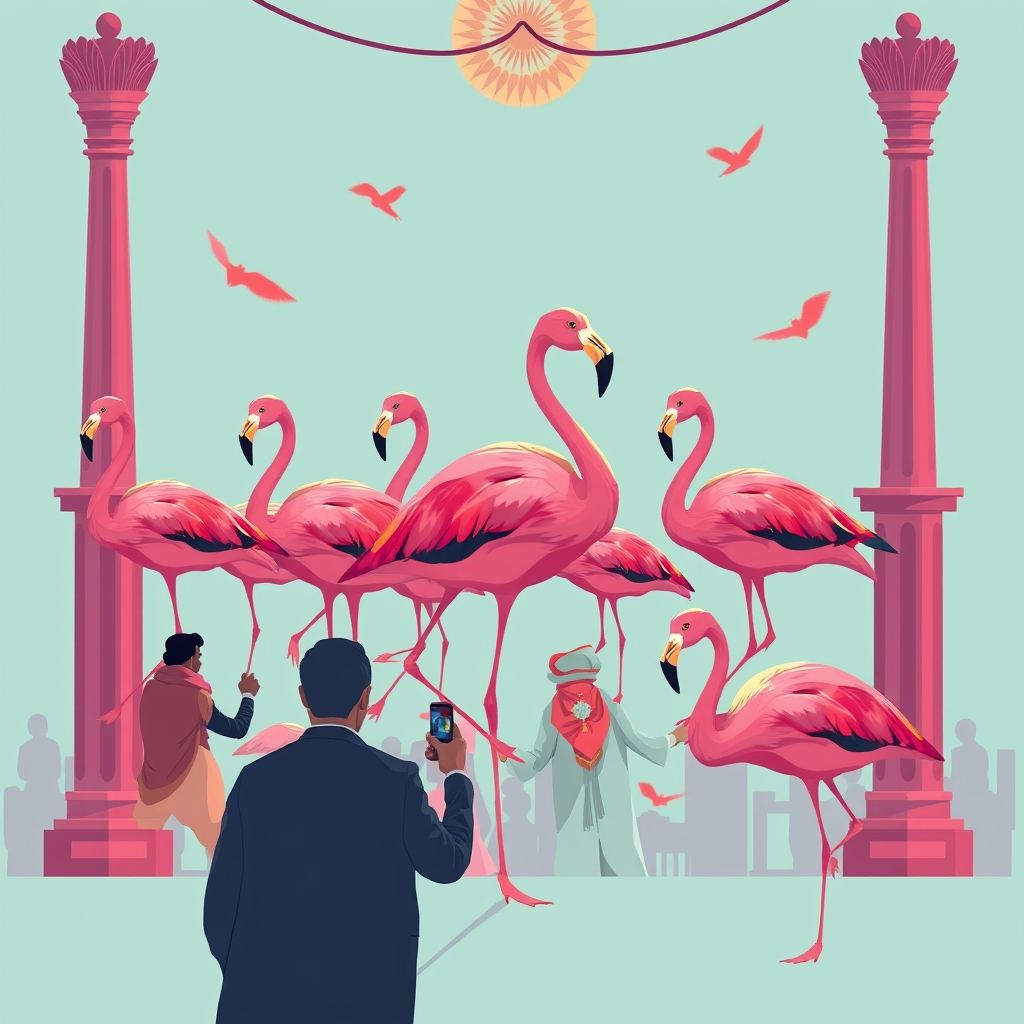
Albania Unrest: The 'Pink Flamingo Revolution' and the Call for Rama’s Resignation
Massive, nightly demonstrations in Tirana have reached a fever pitch as protesters demand the immediate resignation of Prime Minister Edi Rama. What began as a localized environmental grievance has transformed into a powerful movement against systemic corruption and governance in Albania.
From Environmental Concerns to a Political Crisis
The unrest in Albania’s capital, Tirana, reached a significant milestone on July 4, 2026, marking 35 consecutive nights of protests. Initially, the demonstrations were sparked by a controversial luxury coastal resort development project located in a protected natural area. This project has drawn intense scrutiny due to its links to Jared Kushner, the son-in-law of U.S. President Donald Trump.
However, the movement has since transcended its environmental roots, evolving into a broader uprising against the administration of Prime Minister Edi Rama. Tens of thousands of citizens have taken to the streets, marching toward Skanderbeg Square under the banner of "New Albania." The protesters are no longer just fighting for coastal ecosystems; they are demanding constitutional reform, an end to state corruption, and a temporary replacement of the current government.
Symbolism and the Shadow of Albania’s Past
The protests have been characterized by heavy historical symbolism, drawing parallels to Albania's transition from communism. On Saturday, protesters erected a large bust of Prime Minister Rama, only to topple it with ropes—a gesture intentionally mirroring the 1991 toppling of the statue of communist dictator Enver Hoxha.
The demonstrations, dubbed the "Pink Flamingo Revolution," use unique imagery to highlight their cause. Protesters have carried pink flamingo balloons to symbolize the wildlife threatened by the Kushner-linked resort construction. Additionally, the protests coincided with Mr. Rama’s 62nd birthday, leading to surreal displays such as "birthday cakes" made of cement and ironic celebratory songs intended to mock the administration's focus on large-scale building projects.
Escalating Tensions and Civil Unrest
The situation on the ground has become increasingly volatile. Following the two-hour march on July 4, a large group of demonstrators moved toward a police station to demand the release of individuals arrested during previous clashes near parliament. The confrontation turned violent as protesters broke police station windows, prompting law enforcement to deploy water cannons to disperse the crowds.
The persistence of these nightly rallies suggests a deep-seated fracture in Albanian society and a profound loss of confidence in the existing political institutions. As the government struggles to contain the unrest, the international community is watching closely to see if the Rama administration can maintain stability or if the "Pink Flamingo Revolution" will force a total political restructuring.
What It Means for India
- Stability in the Western Balkans: As India seeks to engage more deeply with the Western Balkans for trade and diplomatic influence, prolonged instability in Albania could complicate regional security and economic predictability.
- Monitoring Global Influence Patterns: The involvement of U.S.-linked private interests (Jared Kushner) in local Albanian infrastructure serves as a case study for India to observe how foreign capital and political connections can trigger significant domestic civil unrest in emerging democracies.
- Strategic Diplomacy: India's foreign policy emphasizes the importance of democratic institutions and the rule of law; the evolving crisis in Albania reinforces the need for India to engage with stable, transparently governed partners in the European neighborhood.