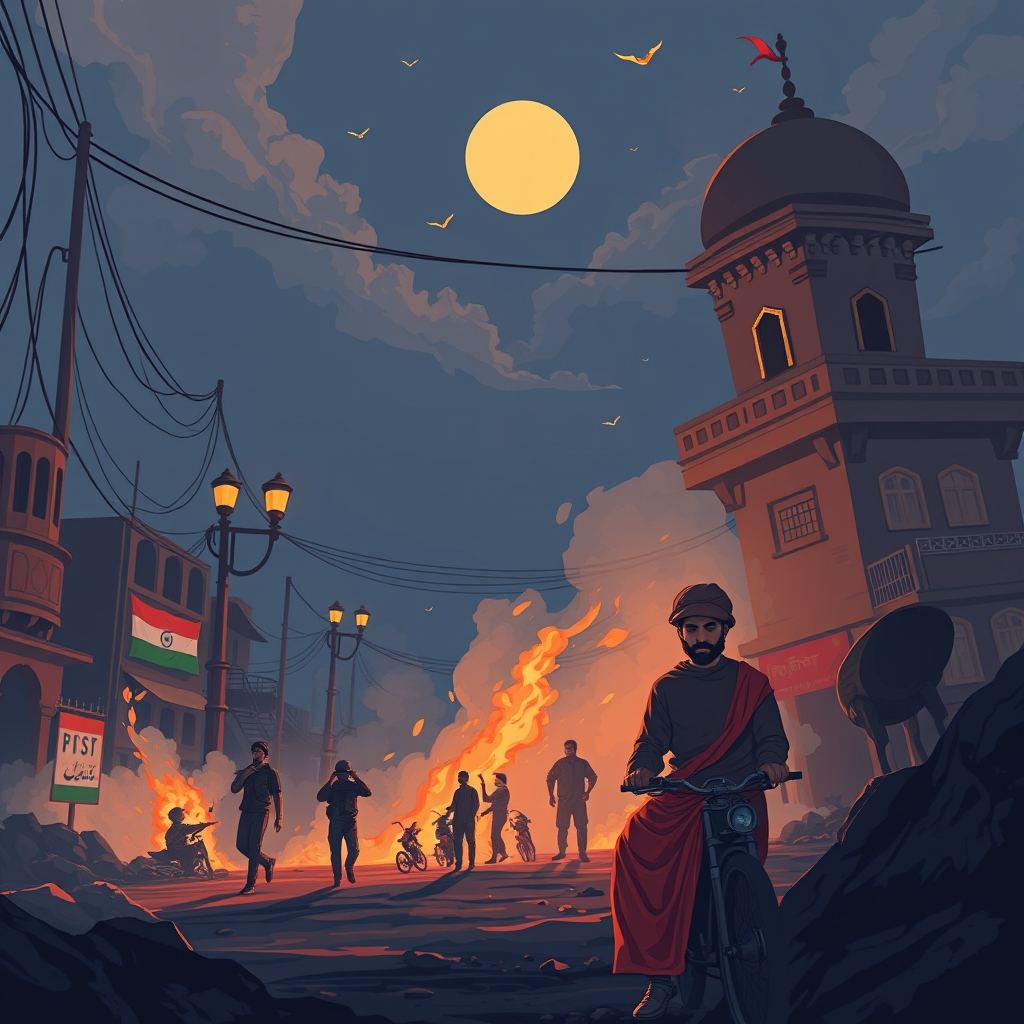
Balochistan Custodial Deaths: Rising Tensions in Pakistan’s Restive Province
The discovery of two brothers, Imam and Muhammad Umar, dead with bullet wounds in Balochistan has sparked fresh allegations of extrajudicial killings by Pakistani security forces. This incident, occurring under suspicious circumstances involving alleged military detention, highlights the deepening human rights crisis in Pakistan's most volatile province.
The Incident: From a Breakdown to Fatal Injuries
The tragedy unfolded when two brothers, Imam and Muhammad Umar, were reportedly taken into custody by Pakistani security personnel. According to local reports and family accounts, the encounter began after their motorcycle ran out of fuel, leading to their detention. While official narratives in such instances often attempt to link detainees to militant insurgencies, the family of the deceased has vehemently disputed any such connections.
The bodies of the two brothers were later returned to their family, bearing visible bullet injuries. This development has ignited widespread outrage among local residents in Balochistan, who have long accused the Pakistani establishment of "enforced disappearances" and summary executions. Despite the gravity of the situation and the mounting questions regarding the cause of death, the Pakistani military and the federal government have maintained a conspicuous silence, issuing no official response or statement regarding the incident.
Balochistan: A Landscape of Internal Instability
Balochistan remains the epicenter of a long-running insurgency directed against the Pakistani state. The province, which is rich in natural resources and critical to the China-Pakistan Economic Corridor (CPEC), has been characterized by a cycle of violence involving separatist groups and heavy-handed counter-insurgency operations by the Pakistani military.
The pattern of detaining civilians and subsequently returning their bodies with gunshot wounds is a recurring theme in the region. These incidents exacerbate the alienation of the Baloch population, pushing the local youth toward radicalization and further destabilizing the province. The lack of transparency and the refusal of the state to engage in judicial accountability create a vacuum that is often filled by unrest and civil disobedience.
The Geopolitical Fallout of Internal Unrest
The persistent instability in Balochistan is not merely a domestic Pakistani issue; it has significant implications for regional security. As Pakistan struggles to maintain control over its most resource-rich province, the resulting vacuum and social unrest threaten the viability of major infrastructure projects, most notably CPEC.
Furthermore, the internal friction within Pakistan often forces the country to divert its military resources toward domestic policing and counter-insurgency, potentially weakening its external defense posture. For the international community, the recurring reports of custodial deaths and human rights violations in Balochistan complicate Pakistan's diplomatic standing and its ability to attract stable foreign investment.
What It Means for India
- Regional Instability: Increased volatility in Balochistan heightens the risk of cross-border spillover effects, which could impact the broader security architecture of South Asia.
- CPEC Vulnerability: The growing local resentment against state security apparatuses poses a direct threat to the stability of Chinese-funded projects, potentially altering the economic landscape of the region.
- Human Rights Narratives: The continued pattern of extrajudicial actions in Pakistan provides significant geopolitical leverage for India to highlight the democratic deficits and human rights challenges within its neighbor on international platforms.