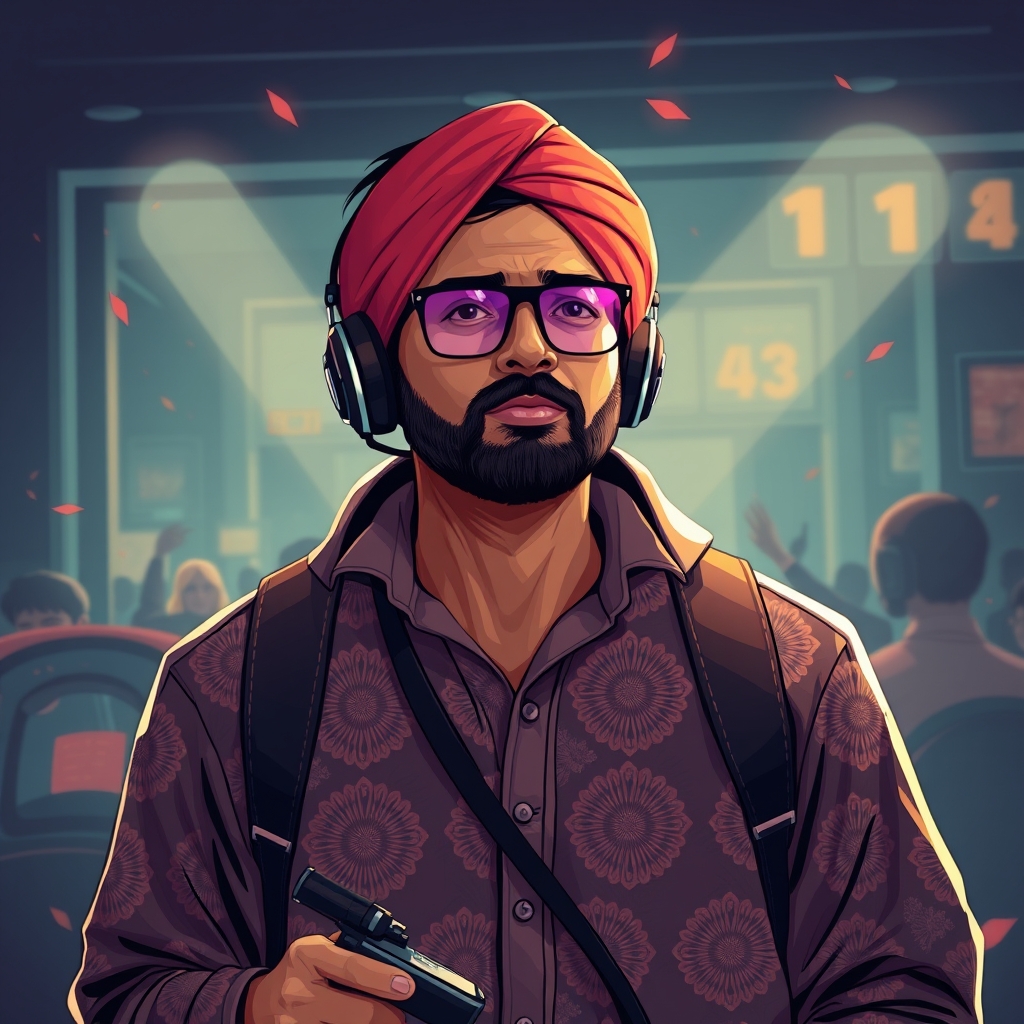
Digital Misconduct: US Streamer Warned After Misusing 911 Services
A recent incident involving a popular Twitch streamer has highlighted the growing tension between digital clout-chasing and the real-world misuse of critical public infrastructure. The streamer, known as RaKai, faced immediate police intervention after utilizing emergency services to complain about a haircut during a live broadcast.
The Incident: Clout vs. Critical Services
The controversy unfolded during a live stream when RaKai contacted 911—the emergency services number in the United States—to report dissatisfaction with a haircut he had just received. The decision to use an emergency line for a non-emergency, personal grievance was caught in real-time by his digital audience.
The police department responded swiftly, contacting the streamer while he was still live on the platform to explain the severity of his actions. The misuse of emergency lines is a serious matter in the United States, as these channels are reserved for life-threatening situations, and unnecessary calls can delay responses to genuine crises. Following the intervention, RaKai issued a profuse apology, claiming he was unaware that such a complaint was inappropriate for emergency lines and stating he had learned a significant lesson regarding legal consequences.
The Rise of "Attention Economy" Risks
This incident is a microcosm of a larger, more complex trend in the global digital economy: the "attention economy." For many modern content creators, the primary currency is engagement, which often incentivizes increasingly erratic, disruptive, or even illegal behavior to maintain viewership numbers. When streamers prioritize "viral moments" over civic responsibility, it creates a friction point between the digital world and the physical reality of state governance and public safety.
The legal ramifications for such actions can be severe, ranging from heavy fines to criminal charges for obstructing emergency services. As digital platforms become the primary medium for social interaction and entertainment, the boundary between private digital expression and public civic duty becomes increasingly blurred.
Global Implications for Digital Governance
While this specific event occurred in the United States, it serves as a cautionary tale for digital regulators globally. As India continues its massive expansion into the digital economy and content creation landscape, the governance of live-streaming platforms remains a critical frontier. The challenge for states is to balance the freedom of digital expression with the necessity of maintaining public order and ensuring that essential services remain uncompromised by the antics of influencers.
What It Means for India
- Digital Literacy and Civic Responsibility: As India's youth population increasingly enters the creator economy, there is a growing need for digital literacy programs that emphasize the distinction between online performance and real-world legal and civic obligations.
- Regulatory Oversight of Platforms: This incident underscores the need for streaming platforms to implement more robust community guidelines and real-time monitoring to prevent creators from engaging in activities that disrupt public services or violate local laws.
- Legal Frameworks for Influencers: For India's evolving regulatory landscape, this highlights the importance of clear legal frameworks that hold high-reach influencers accountable for actions that cause public nuisance or misuse of state resources during live broadcasts.