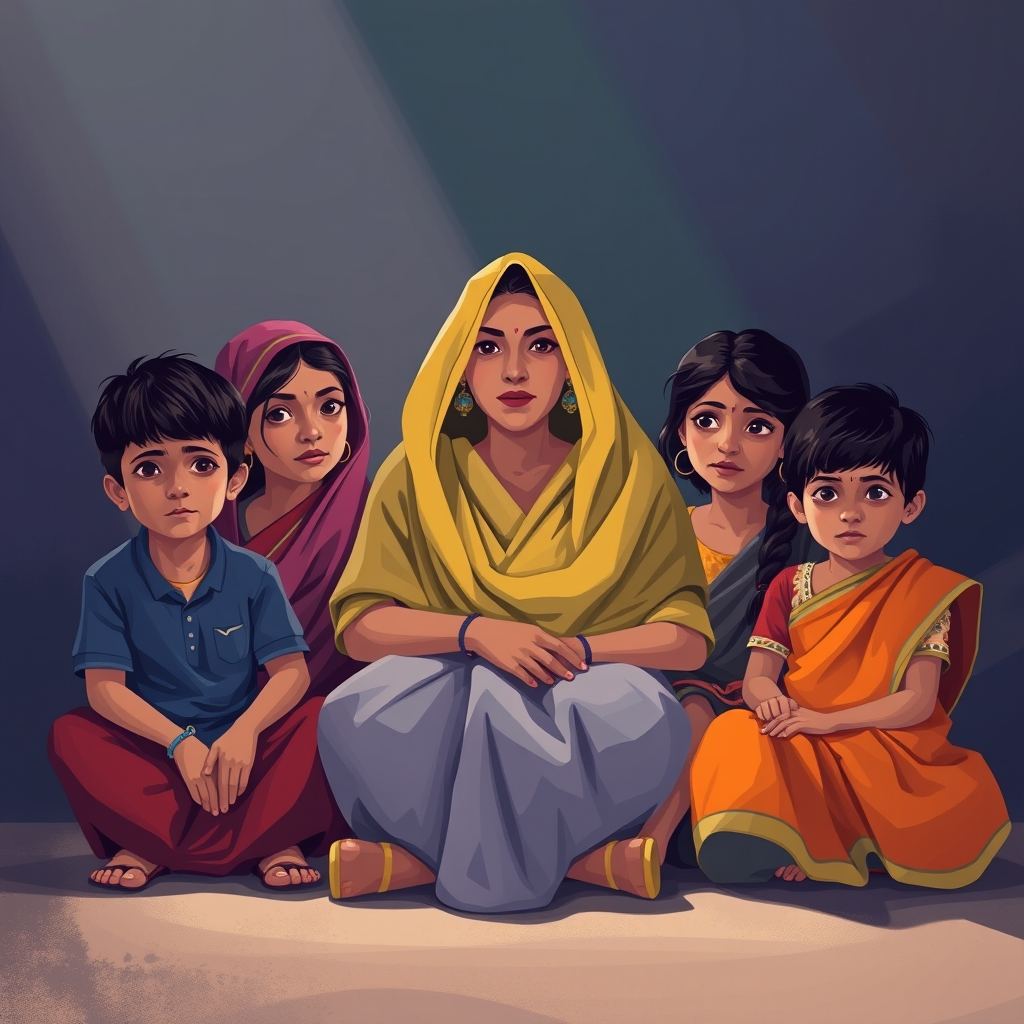
French Woman and Five Children Rescued After Decade of Captivity in Pakistan
In a significant breakthrough for law enforcement in Pakistan's Khyber Pakhtunkhwa province, authorities have rescued a 54-year-old French national and her five children from long-term captivity. The rescue operation in the border town of Bara has brought international attention back to the security and human rights landscape of Pakistan’s volatile northwestern frontier.
The Rescue Operation in Khyber Pakhtunkhwa
On Wednesday, June 24, 2026, district police chief Waqar Ahmad confirmed the successful rescue of Sylvie Yasmina and her children from a mud-brick residence in Bara. The breakthrough occurred after one of Yasmina’s sons managed to escape the premises and alert the local police station.
The rescued family was found living in dilapidated conditions. Yasmina, who has resided in Pakistan since 2014, reported suffering years of physical and psychological abuse at the hands of her husband, Ahmad Khan. Upon her rescue, police noted visible injuries on her face, highlighting the severity of the domestic violence she endured. Following the intervention, Ahmad Khan was arrested, and the family has been moved to a specialized women’s police station for protection.
Human Rights and Social Challenges in the Frontier Region
The case underscores the deep-seated issues of domestic violence and the lack of institutional protections for women in Pakistan’s conservative regions. Yasmina’s ordeal—marked by isolation and the fact that her children were never enrolled in formal schooling—is emblematic of the many unreported cases of abuse in the country.
Shabina Ayaz, director of the Aurat Foundation, has called the incident a "wake-up call" for both the state and society. The incident is particularly sensitive given its location in the Khyber Pakhtunkhwa province, near the Afghan border, a region where traditional norms and security challenges often complicate the enforcement of legal rights and the protection of foreign nationals.
Diplomatic Repatriation Efforts Underway
With Yasmina expressing a clear desire to return to her home country, Pakistani authorities are currently coordinating with the French embassy to facilitate her repatriation. While the French embassy has yet to issue a formal comment, the involvement of international diplomatic channels is expected to intensify as the investigation into Ahmad Khan’s alleged crimes progresses. The successful repatriation of a foreign national from such a sensitive border district will serve as a critical test of the Pakistani state's ability to manage international legal obligations and provide security to expatriates.
What It Means for India
- Border Security Monitoring: For India, the location of this incident—near the Afghan border in Khyber Pakhtunkhwa—highlights the ongoing socio-political instability and the presence of lawlessness in Pakistan's northwestern territories, which remains a key area of interest for Indian intelligence.
- Regional Human Rights Lens: The incident reinforces the narrative of systemic institutional weaknesses in Pakistan regarding the protection of vulnerable populations, a factor that continues to influence India’s diplomatic stance on human rights and governance in the neighborhood.
- Diplomatic Precedents: The coordination between Pakistan and France for repatriation will be closely watched; any volatility in how Pakistan handles foreign nationals in its tribal-adjacent districts can impact the broader security perception of the region for all neighboring states.