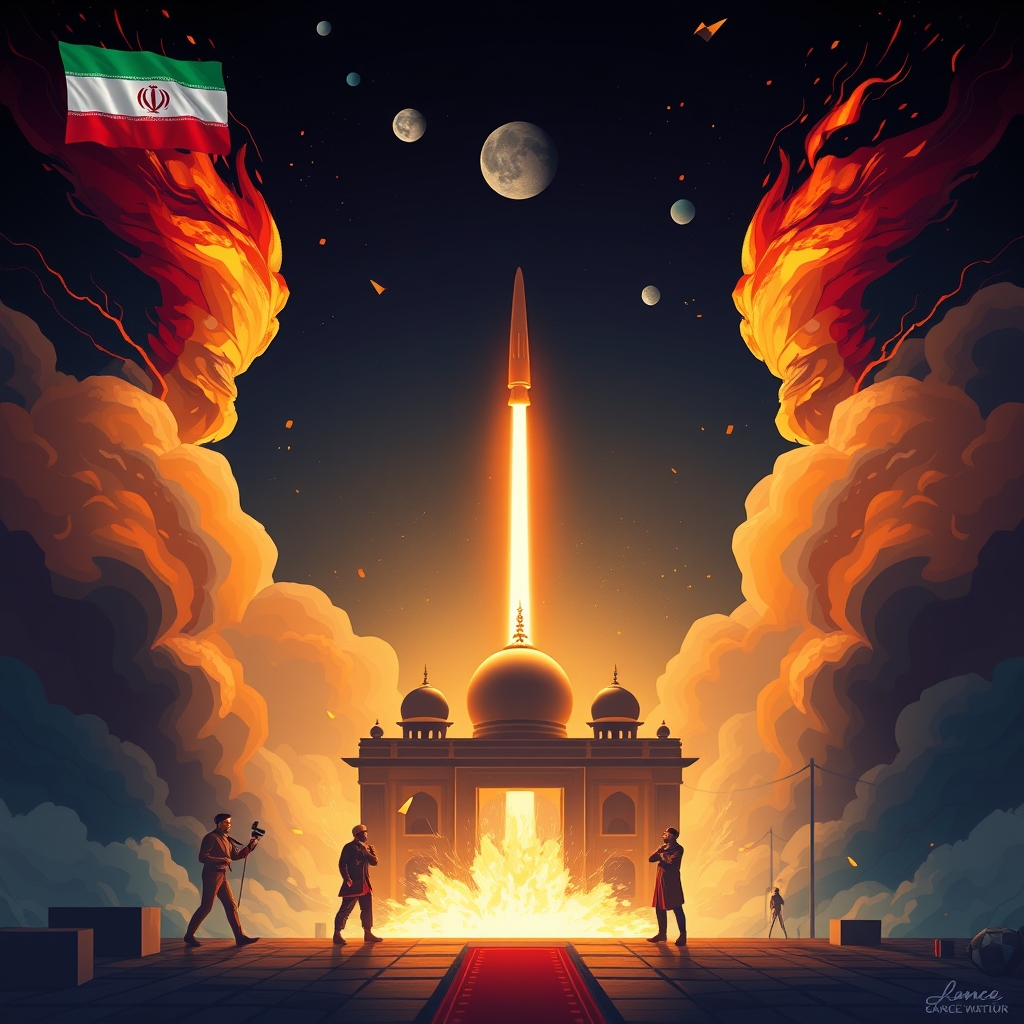
Iran Launches Retaliatory Strikes on US-Linked Targets Amid Rising Tensions
The Middle East is facing a new surge of volatility as Iran confirmed it has launched targeted strikes against US-linked assets. This escalation follows American airstrikes on Iran's southern coast, an action Tehran claims violated both the UN Charter and existing war-ending memorandums.
Escalation in the Persian Gulf and Southern Iran
On June 27, 2026, the geopolitical landscape shifted significantly when the Iranian Foreign Ministry announced retaliatory operations against targets connected to United States forces. While Tehran has refrained from disclosing the specific locations or the exact nature of the targets struck, the timing suggests a direct response to recent American military operations.
According to official statements, these American airstrikes targeted Iran's southern coastline, an area of immense strategic importance due to its proximity to critical maritime corridors. Iran has framed this military move as a violation of international law and a breach of established diplomatic understandings aimed at de-escalating the conflict. The ambiguity regarding the location of the strikes keeps the international community on edge, as the potential for a wider regional conflagration remains high.
The Strategic Significance of the Southern Coastline
The mention of Iran's southern coast is particularly significant for global security. This region is not only home to critical energy infrastructure but also borders the Strait of Hormuz, one of the world's most vital maritime chokepoints. Any sustained military activity in this corridor threatens the seamless flow of global energy supplies and increases the risk of a direct military confrontation between the United States and Iran.
As the situation develops, the lack of clarity regarding the impact of these strikes adds a layer of uncertainty to global markets. The international community is watching closely to see if the United States will respond with further kinetic actions, which could potentially lead to a cycle of escalation involving other regional actors.
Navigating a Multi-Polar Middle East
This development underscores the fragile nature of the current security architecture in the Middle East. The direct confrontation between Tehran and Washington-linked targets indicates that the "shadow war" is increasingly moving into the realm of direct, albeit limited, military strikes. This shift challenges existing diplomatic frameworks and testing the limits of international maritime law and UN protocols. For global observers, the primary concern is whether these strikes are isolated retaliatory measures or the beginning of a more protracted regional conflict.
What It Means for India
The escalating tensions between Iran and the United States carry profound implications for India’s strategic and economic interests:
- Energy Security and Price Volatility: As a major importer of crude oil, any disruption in the Persian Gulf or near the Strait of Hormuz due to these strikes could lead to a sudden spike in global oil prices, impacting India's fiscal deficit and domestic inflation.
- Strategic Autonomy and Diplomacy: India must navigate a delicate diplomatic path, maintaining its robust energy relationship with Iran while managing its growing strategic partnership with the United States, ensuring that regional volatility does not force a binary choice.
- Maritime Security and Trade Routes: Increased military activity in the region poses a risk to Indian commercial shipping vessels traversing the Middle East, necessitating heightened vigilance by the Indian Navy to ensure the safety of trade routes essential for India's economic growth.