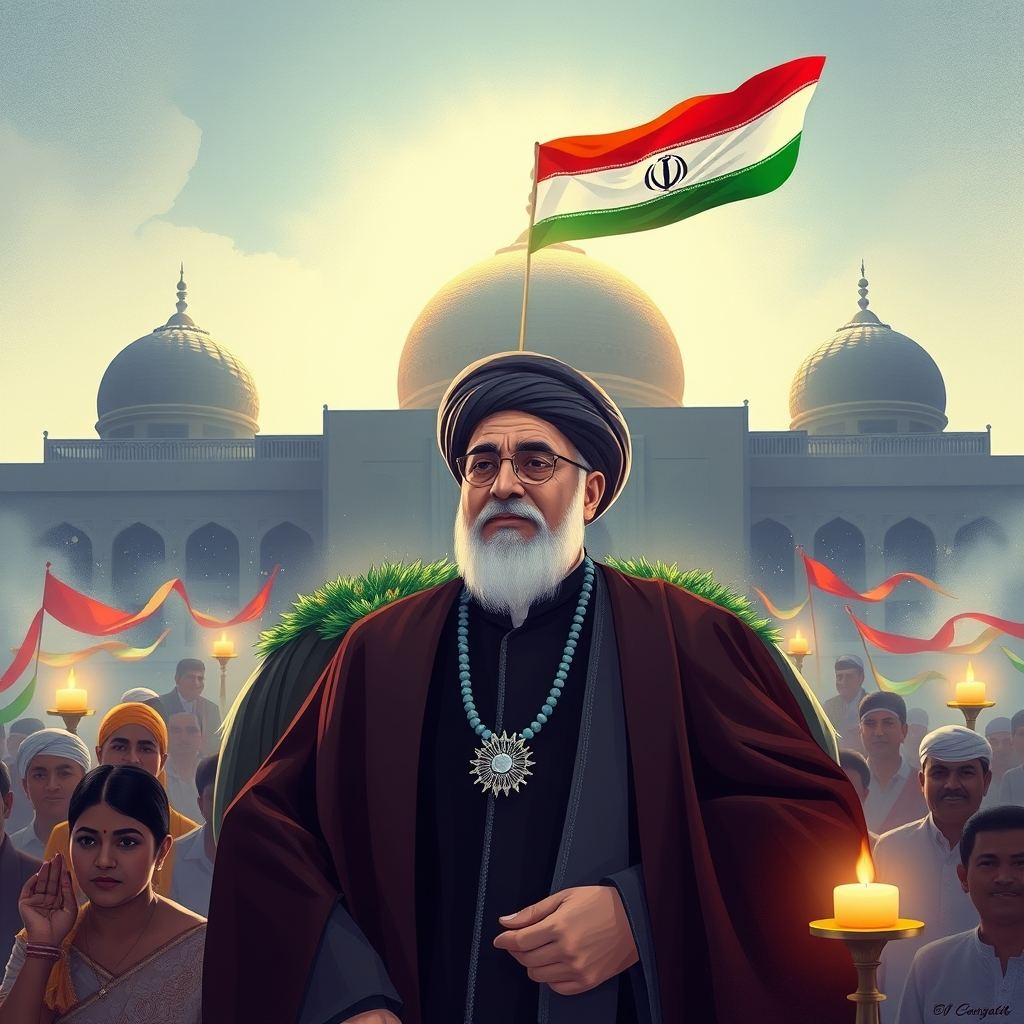
Iran Prepares for Mass Funeral of Ayatollah Khamenei Amid Regional Turmoil
As Iran enters a week of intense mourning for the late Supreme Leader Ayatollah Ali Khamenei, the nation stands at a critical geopolitical crossroads. Following his death in a devastating war, the upcoming funeral ceremonies in Tehran and Iraq are set to become a massive display of state resilience and ideological continuity.
A Nation in Mourning and Transition
Starting Saturday, July 4, 2026, Tehran is expected to see millions of mourners as the country commemorates the life of the 86-year-old cleric. The atmosphere in the capital is heavy with both grief and political mobilization, as banners across the city urge citizens to "rise up" in support of the Islamic Republic.
The scale of the mourning is significant, reminiscent of the 1989 funeral of Ayatollah Ruhollah Khomeini. The late Supreme Leader’s casket, draped in the red "Ya Hussein" flag—symbolizing martyrdom and a call for vengeance—sat at Tehran's Grand Mosalla. Notably, the casket also held family members killed in the initial Israeli airstrikes on February 28, including the wife of the new Supreme Leader, Ayatollah Mojtaba Khamenei.
The Rise of the Military Elite
A defining feature of this period of transition is the emergence of General Ahmad Vahidi, a powerful leader within the Revolutionary Guard. Having been absent from public view since February 8, Vahidi’s appearance at the funeral preparations signals a consolidation of military influence within the state.
Vahidi, who is believed to be part of a core clique advising the wounded and reclusive Ayatollah Mojtaba Khamenei, has adopted a hardline stance. His rhetoric, framing the Supreme Leader's death as a "turning point" for Islamic victories, underscores Iran's intent to maintain a "no to humiliation" policy. This military presence serves as a signal to both the United States and Israel that the Iranian security apparatus remains intact despite the recent war.
Geopolitical Leverage and the Strait of Hormuz
The timing of these funeral rites is strategically vital. Iran is currently attempting to leverage its control over the Strait of Hormuz to strengthen its hand in negotiations with the United States regarding a permanent end to the conflict.
While civilian leaders such as President Masoud Pezeshkian and Foreign Minister Abbas Araghchi are participating in the ceremonies to project government stability, the underlying tension remains high. The Iranian joint military command has issued stern warnings against "miscalculations" by the U.S. and Israel, promising "regrettable responses" to any further aggression. As the funeral procession moves from Tehran to various cities in Iraq, the entire Middle East remains on edge, watching for signs of internal stability or further escalation.
What It Means for India
- Energy Security Risks: Any instability in the Persian Gulf or continued tension in the Strait of Hormuz during this transition could lead to volatility in global oil prices, directly impacting India’s energy import costs and macroeconomic stability.
- Regional Diplomatic Balancing: India will need to navigate a delicate diplomatic path, maintaining its strategic autonomy while managing relations with a transitional Iranian leadership and monitoring the heightened tensions between Iran, Israel, and the U.S.
- Security Implications: The increased visibility and hardline rhetoric of the Revolutionary Guard suggest a period of heightened regional militarization, which could affect maritime security routes essential for Indian trade in the West Asia corridor.