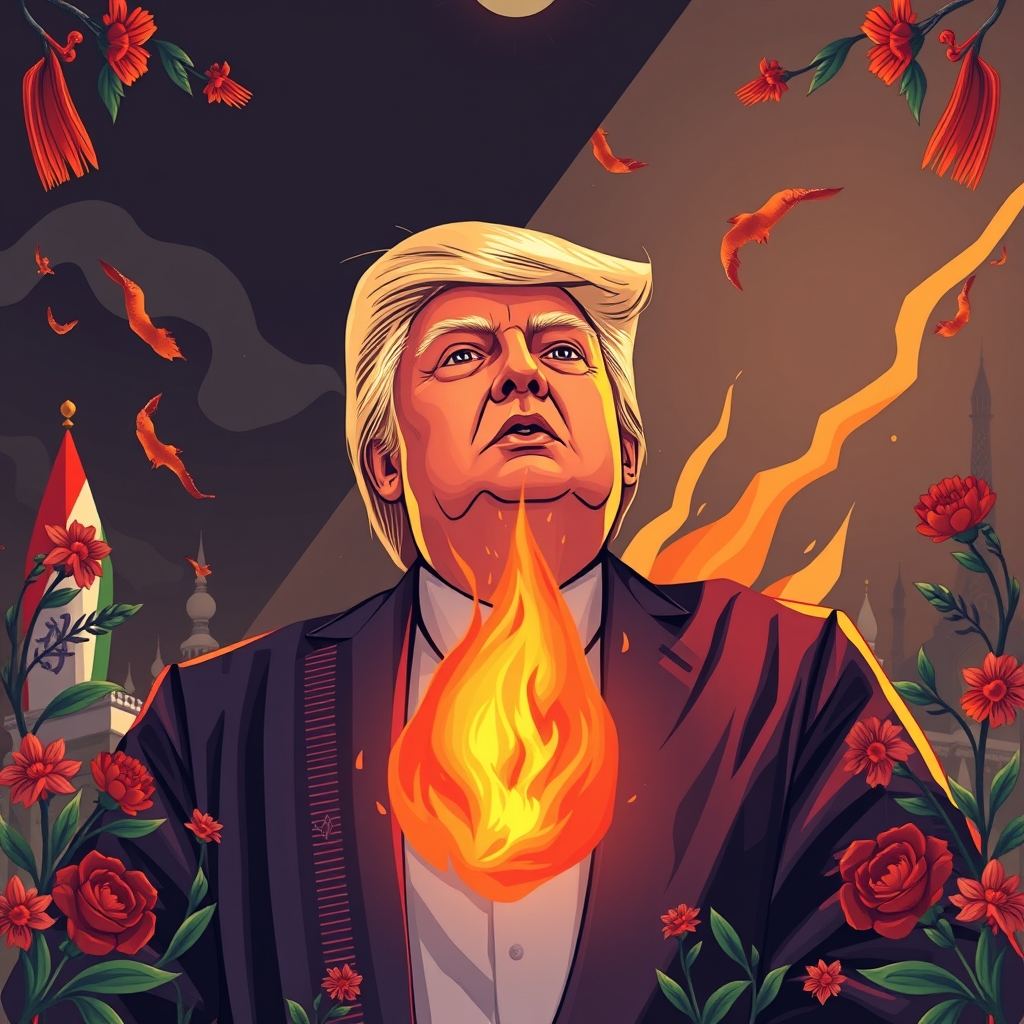
Trump Issues Stern Warning to Iran Over Compliance with Interim Deal
Donald Trump has issued a decisive warning to Tehran, stating he will take necessary action if Iran fails to uphold its commitments under the recently signed interim deal. This high-stakes ultimatum follows a period of intense regional volatility marked by direct military exchanges between Iran, Israel, and US-aligned interests in the Gulf.
A Fragile Peace Amidst Regional Volatility
The geopolitical landscape has shifted dramatically following a period of direct kinetic conflict. More than three months ago, the region witnessed significant escalation when the United States and Israel launched attacks against Iranian targets. Iran responded in kind, deploying strikes against Israel and various US military bases situated across the Gulf states.
Amidst this cycle of retaliation, a diplomatic breakthrough was reached last week. US President Donald Trump and Iranian President Masoud Pezeshkian signed an interim agreement aimed at de-escalating tensions and stabilizing a highly combustible region. However, the stability of this agreement remains precarious, as the underlying mistrust between Washington and Tehran persists.
Trump’s Ultimatum and the Enforcement Mechanism
Trump’s recent rhetoric, "I will do what I have to do," signals that the United States is not viewing this interim deal as a permanent solution, but rather as a conditional truce. The warning serves as a clear enforcement mechanism: the US is prepared to revert to maximum pressure or military posturing if Iran violates the terms of the pact.
For the Trump administration, the primary objective appears to be ensuring that Iran does not use the breathing room provided by the interim deal to accelerate its nuclear ambitions or expand its proxy networks. The shadow of recent missile exchanges and air strikes looms large over these negotiations, suggesting that the "interim" nature of the deal is a placeholder for a more permanent—and perhaps more stringent—settlement.
The Geopolitical Stakes for the Middle East
The signing of the deal between Trump and Pezeshkian marks a pivot from active warfare back to coercive diplomacy. However, the involvement of regional actors remains a critical variable. While the US and Iran have reached a tentative understanding, the impact on Israel’s security architecture and the stability of the Gulf monarchies remains to be seen.
If Iran adheres to the deal, we may see a period of relative calm in the Strait of Hormuz and a reduction in the frequency of drone and missile deployments. Conversely, if Tehran perceives the deal as too restrictive and seeks to bypass its constraints, the risk of a renewed, large-scale military confrontation is high.
What It Means for India
The stability of the Iran-US relationship has profound implications for India’s strategic autonomy and economic security:
- Energy Security and Trade Routes: Any breakdown in the interim deal could lead to renewed hostilities in the Persian Gulf, threatening the maritime security of the Strait of Hormuz. As India relies heavily on stable oil and gas imports from the region, heightened volatility directly impacts India's inflation and energy costs.
- Strategic Balancing Act: India maintains vital interests in both Iran (via the Chabahar Port project) and the US (via the iCET and QUAD frameworks). A return to direct US-Iran conflict would force New Delhi to navigate an increasingly complex diplomatic tightrope to protect its regional connectivity and strategic partnerships.
- Regional Stability and Diaspora Safety: Increased tensions in the Middle East pose a direct risk to the millions of Indian expatriates living in the Gulf. A shift toward active conflict would necessitate heightened security protocols and could disrupt the vital remittance flows that are central to the Indian economy.