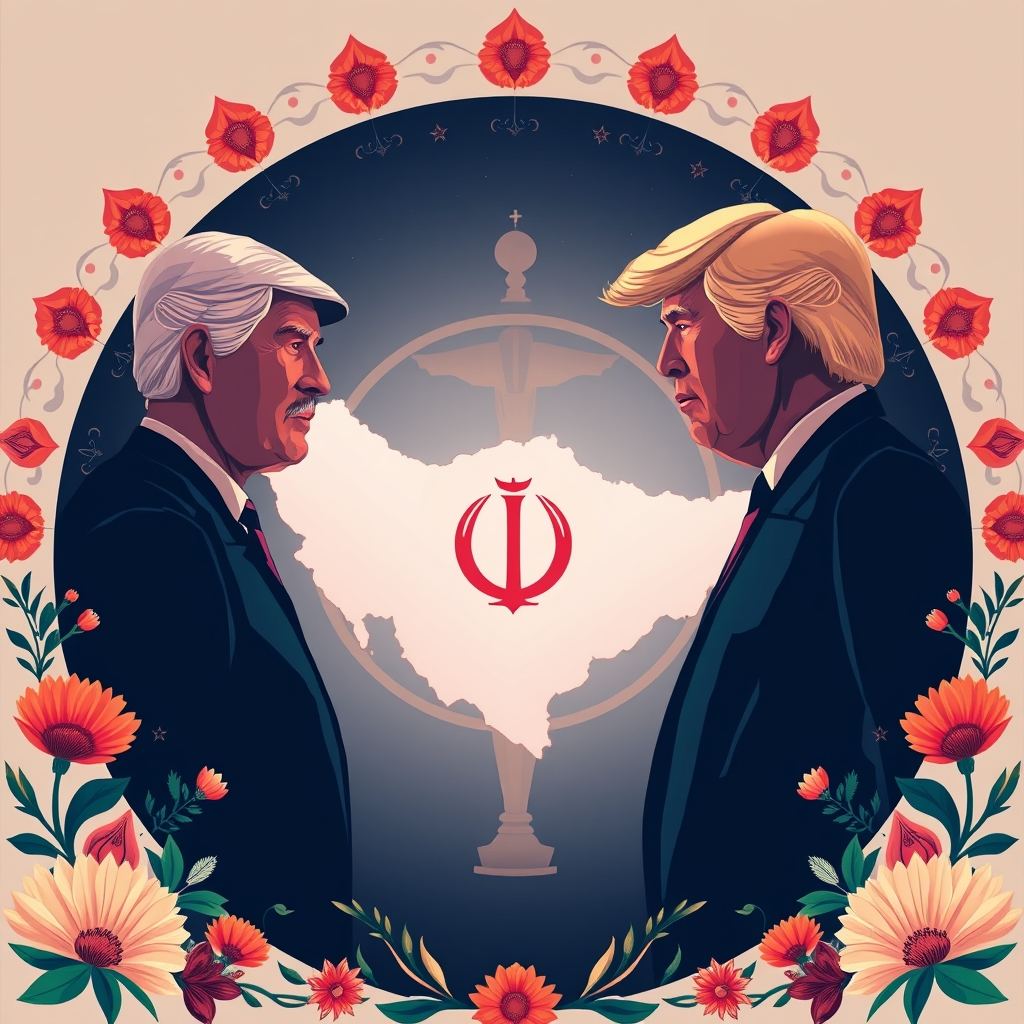
Trump Issues Ultimatum to Iran Over Compliance with Interim Deal
U.S. President Donald Trump has issued a stern warning to Tehran, stating he will take necessary action if Iran fails to adhere to the terms of their recent interim agreement. This escalation follows a period of intense regional volatility that has fundamentally altered the geopolitical landscape of the Middle East.
A Fragile Peace After Regional Conflict
The recent ultimatum comes on the heels of a significant interim deal signed last week between President Trump and Iranian President Masoud Pezeshkian. This agreement serves as a tentative ceasefire following a period of intense kinetic warfare, where joint U.S.-Israeli attacks on Iranian targets were met with retaliatory strikes from Iran against Israel and U.S. military bases located within Gulf states.
The humanitarian and economic toll of this conflict has been immense, with thousands killed and millions displaced across the region. Beyond the immediate human cost, the warfare has destabilized global financial markets and sent international oil prices surging, highlighting the extreme vulnerability of the global energy supply chain to Middle Eastern instability.
Economic Leverage and the "Food-for-Money" Clause
A unique and transactional dimension of this interim deal is its focus on economic leverage. President Trump specifically highlighted that the unfreezing of Iranian funds is conditional upon strict procurement rules. According to the President, Iran is expected to use these liberated assets exclusively to purchase food supplies from the United States.
With Iran’s population reaching 91 million, the U.S. administration is positioning this deal as a mechanism to support American farmers while simultaneously addressing Iran's internal food security crises. By mandating that "all that money" flows back to the U.S. through agricultural purchases, Washington is attempting to turn a diplomatic de-escalation into a strategic trade advantage, ensuring that even in a period of rapprochement, American economic interests remain paramount.
The Threat of Recurrence
Despite the signing of the interim deal, the atmosphere remains one of "peace through strength" rather than genuine reconciliation. Trump’s declaration—"I will do what I have to do"—serves as a clear signal to Tehran that the U.S. maintains its readiness to return to military intervention if Iran's behavior deviates from the agreed-upon framework. This transactional diplomacy suggests that the current stability is highly contingent on Iranian compliance and the strict monitoring of their nuclear and regional activities.
What It Means for India
- Energy Security Volatility: As a major importer of crude oil, India remains highly sensitive to the "oil shocks" caused by U.S.-Iran tensions. While the interim deal offers a temporary reprieve for global energy prices, the threat of renewed conflict keeps the risk of sudden price spikes high for the Indian economy.
- Navigational and Trade Risks: Any breakdown in the deal that leads to renewed attacks on Gulf states or maritime corridors could disrupt India's vital trade routes in the Persian Gulf and the Strait of Hormuz, potentially increasing shipping costs and delaying essential imports.
- Diplomatic Balancing Act: The volatile nature of U.S.-Iran relations requires India to maintain its strategic autonomy. New Delhi must continue to navigate its growing defense and strategic partnership with the U.S. while managing its complex energy and diaspora interests in the Middle East, ensuring that regional escalations do not force a binary choice.