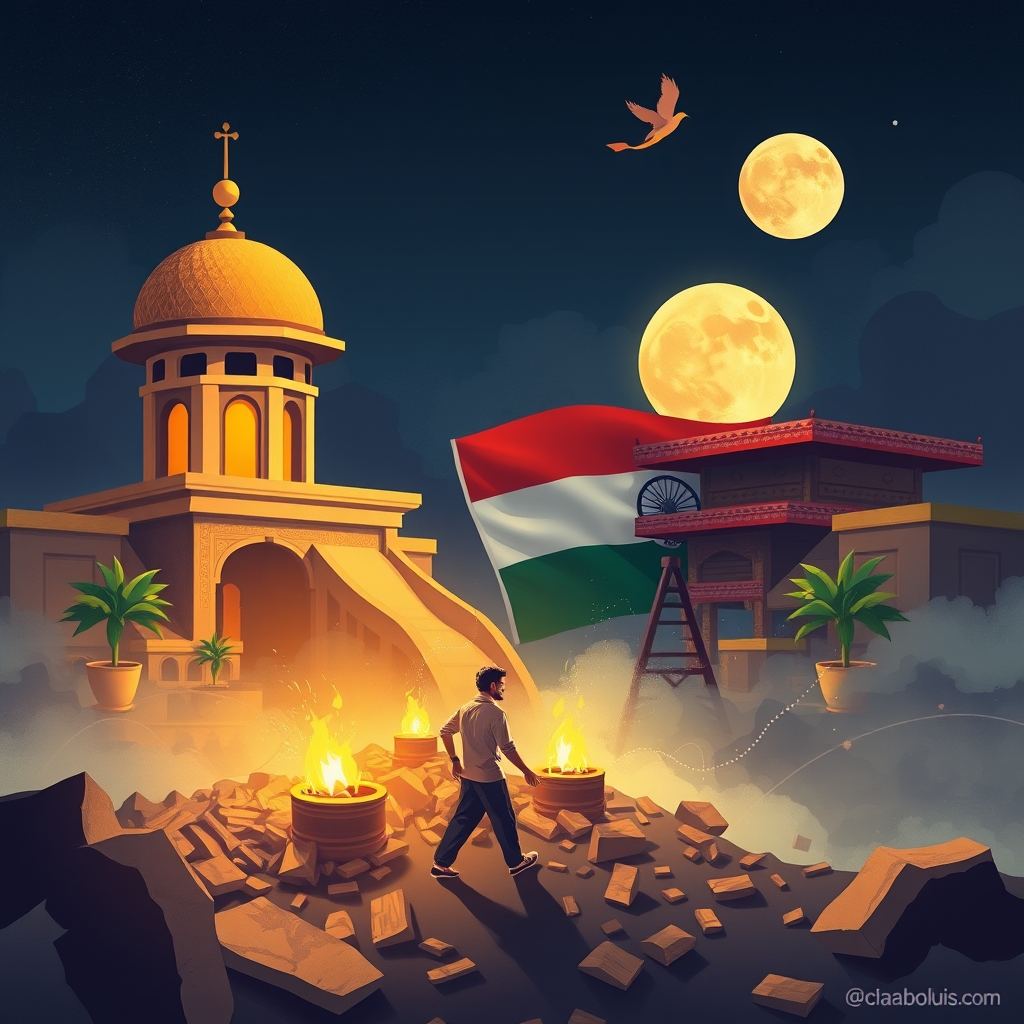
Venezuela Earthquake Crisis: India Offers Aid as Devastation Mounts
A series of massive earthquakes has struck Venezuela, leaving a trail of destruction, collapsed buildings, and significant loss of life across the nation. As the death toll rises and a state of emergency is declared, the international community is mobilizing to provide critical humanitarian relief to the affected regions.
Devastation in Venezuela: Magnitude 7.1 Quake Triggers Emergency
On the evening of June 24, 2026, Venezuela was hit by two powerful, back-to-back earthquakes that have caused widespread chaos. The U.S. Geological Survey reported that the primary earthquake registered a magnitude of 7.1, with its epicentre located west of the Morón community along the Caribbean coast, approximately 168 kilometres from the capital, Caracas.
The seismic activity, occurring at a depth of 22 kilometres, has turned La Guaira into a major disaster zone. According to Acting President Delcy Rodríguez, the initial toll stands at at least 32 dead and 700 injured. The destruction has been so severe that the country's main airport, Maiquetia, was forced to close, complicating both domestic movement and the arrival of international relief teams. In response to the crisis, the Venezuelan government has officially declared a state of emergency to manage the unfolding catastrophe.
Global Response: The United States and India Step Forward
As the humanitarian crisis deepens, major global powers have moved quickly to offer assistance. U.S. Secretary of State Marco Rubio announced that, under the direction of President Donald Trump, the United States is "immediately deploying" search and rescue teams, medical resources, and humanitarian aid to support the Venezuelan people.
Simultaneously, Prime Minister Narendra Modi has expressed India's solidarity with the nation. In a formal statement, PM Modi remarked that he is "deeply saddened by the devastation" caused by the severe earthquakes. He confirmed that India stands ready to extend aid to Venezuela, reinforcing New Delhi’s long-standing policy of providing rapid humanitarian assistance during global natural disasters. This swift diplomatic gesture underscores India's commitment to its role as a responsible global stakeholder and a "first responder" in times of international crisis.
Challenges in Disaster Management and Recovery
The scale of the disaster poses immense logistical challenges for the Venezuelan administration. With critical infrastructure damaged and the primary gateway for international aid—Maiquetia airport—temporarily closed, the immediate priority remains search and rescue operations in collapsed structures in Caracas and coastal areas.
The humanitarian needs are expected to escalate as secondary effects, such as damage to water systems, power grids, and healthcare facilities, become apparent. The deployment of international rescue teams will be vital in navigating these complexities, especially in high-impact zones like La Guaira, where the geological impact has been most severe.
What It Means for India
- Strengthening Soft Power: By offering immediate humanitarian assistance, India reinforces its image as a compassionate and reliable global actor, capable of providing support far beyond its immediate geographic neighborhood.
- Diplomatic Engagement: India’s readiness to aid Venezuela allows New Delhi to maintain a presence in Latin America, demonstrating that its foreign policy is proactive and driven by humanitarian principles rather than just regional interests.
- Disaster Response Capability: Such international engagements provide opportunities for Indian disaster management agencies and medical teams to demonstrate their expertise on the global stage, aligning with India's growing strategic importance in the Global South.