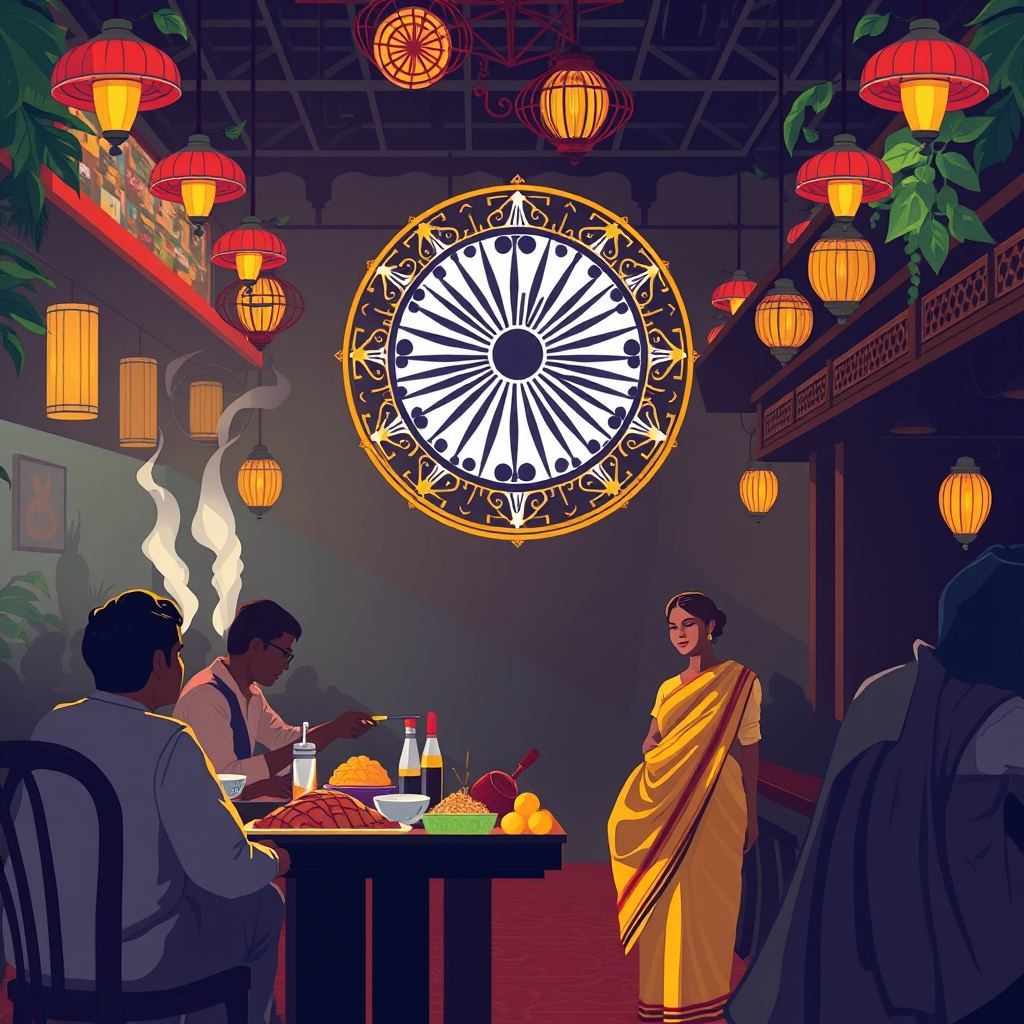
From Tamil Nadu to Nasdaq: How Culinary Soft Power is Scaling Global
The journey of Chef Vijay Kumar from the rural lanes of Samudirapatti in Tamil Nadu to ringing the closing bell at the Nasdaq stock exchange in New York is more than a personal success story. It represents a significant shift in how Indian regional heritage is being projected on the global stage through the medium of culinary diplomacy.
A Journey from Samudirapatti to Wall Street
Chef Vijay Kumar, the executive chef and partner at the Michelin-starred restaurant Semma in New York, recently achieved a rare milestone by ringing the closing bell at the Nasdaq exchange on May 1. This honor was bestowed as part of the Gold House "Gold100" initiative, which recognizes leaders shaping global culture. For a chef who grew up in the Dindigul district of Tamil Nadu, eating traditional dishes like meen kuzhambu, aviyal, and vatha kuzhambu prepared from farm-fresh vegetables, this ascent to the heart of American finance is unprecedented.
Kumar’s success is not merely about fine dining; it is about the unapologetic representation of South Indian identity. While many Indian restaurants in the West have historically focused on a standardized North Indian menu, Kumar has defied these norms. He has brought authentic, hyper-regional Tamil flavors—including challenging dishes like nathai pirattal (snail dish)—to the sophisticated palates of Manhattan, proving that regional specificity can command global respect.
Redefining Indian Cuisine in the Global Consciousness
The impact of Semma, which launched in October 2021, has been profound. With a waitlist of approximately 1,200 people and a consistent demand for its authentic offerings, the restaurant has moved Tamil cuisine from the periphery of "ethnic food" to the center of global gastronomic discourse. Kumar’s recognition, including the 2025 James Beard Award for Best Chef, underscores a shift in how the world perceives Indian culinary traditions.
Rather than diluting flavors to suit Western tastes, Kumar has chosen to "look deeper," focusing on disappearing recipes, millet-based dishes, and unique ingredients like pirandai. By treating traditional Tamil ingredients with the same reverence that French or Japanese chefs accord to their local produce, he is effectively elevating the "brand" of Indian regional heritage. This creates a blueprint for how other Indian states can leverage their unique cultural assets to build international prestige.
The Strategic Value of Cultural Diplomacy
In the modern era, geopolitical influence is not solely measured by military or economic might, but also by "soft power"—the ability to attract and co-opt through culture and values. Culinary excellence acts as a potent form of soft power. When a chef from a small Tamil village becomes a cultural leader in New York, it changes the narrative of India from a developing nation to a sophisticated civilization with deep, diverse, and highly specialized knowledge systems.
As India seeks to enhance its global standing, the diaspora's ability to translate local traditions into global standards serves as a vital bridge. Chef Vijay Kumar’s journey demonstrates that when Indian heritage is presented with authenticity and excellence, it transcends borders, opening doors in the most influential corridors of global power, from Michelin-starred kitchens to the floors of Wall Street.
What It Means for India
- Enhanced Soft Power: The global recognition of specific regional cuisines like Tamil Nadu's helps build a sophisticated and nuanced image of India, moving beyond monolithic stereotypes.
- Economic Potential for Agri-Exports: As authentic ingredients like millets and specific regional herbs gain popularity in high-end global markets, it creates new avenues for Indian farmers and agri-exporters.
- Diaspora as Cultural Ambassadors: Success stories like Kumar's empower the Indian diaspora to act as high-impact cultural ambassadors, strengthening India's presence in the social and cultural fabric of Western nations.