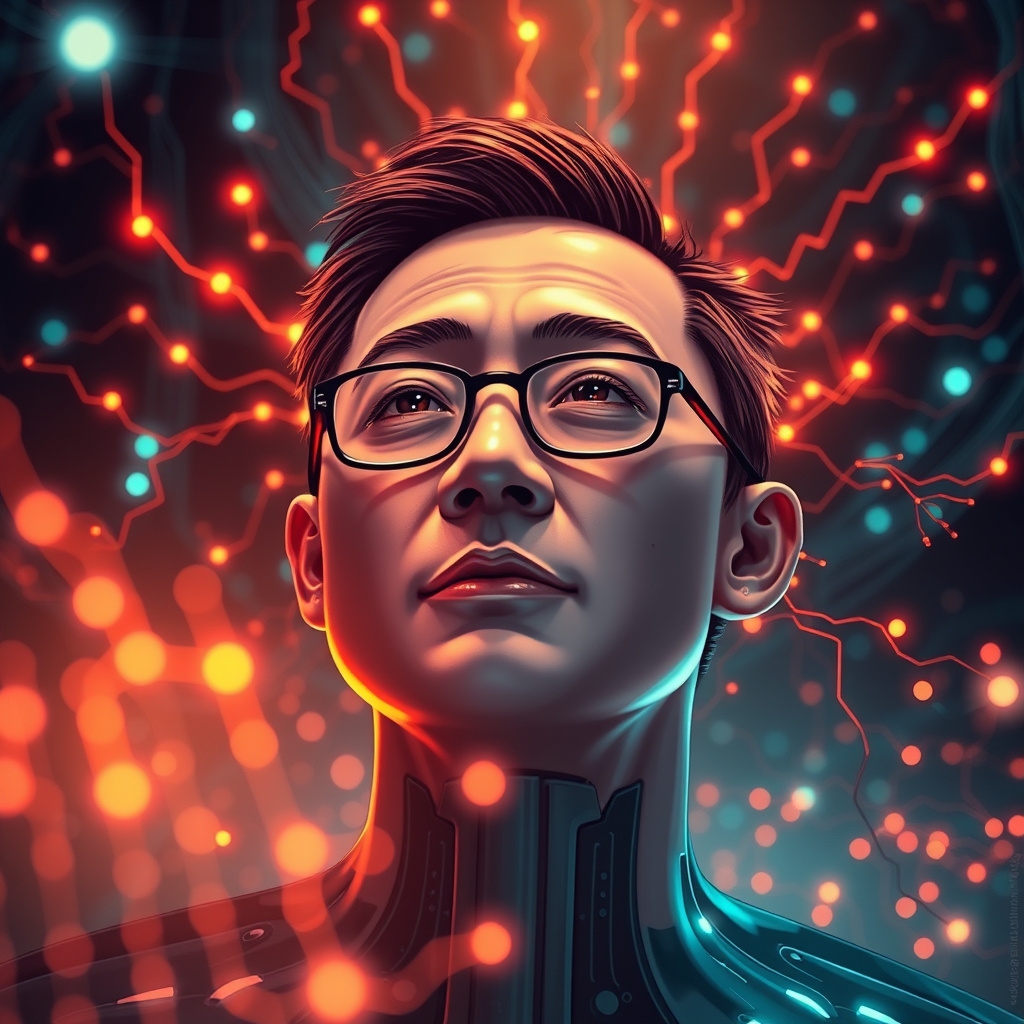
Jensen Huang has had enough of the horror stories. The Nvidia CEO thinks the people running the AI industry are spending too much time warning the public about sci-fi catastrophes and not enough time explaining what the technology actually does on factory floors, in codebases, and inside enterprise workflows. In his view, the power of modern AI is no longer a secret that needs dramatic unveiling. We get it. These systems are capable. What we need now is a harder conversation about production reality—how these models behave when they are bolted into real products, who is responsible when they fail, and what guardrails actually look like under load.
Huang’s stance is blunt: treat AI like a tool, not a destiny. That distinction is not philosophical hair-splitting. It shapes how companies build, how regulators react, and how buyers make decisions. When the narrative shifts from apocalypse to instrumentation, several practical things change.
The Credibility Tax
AI leaders have developed a habit of speaking in two voices. On conference stages and in Senate hearings, they describe existential risks and cinematic futures where autonomous systems outwit humanity. The next morning, those same leaders publish product roadmaps urging enterprises to hand over critical workflows to the exact technology they just framed as potentially civilization-ending. That whiplash carries a cost.
Buyers notice. Regulators notice. When the same voices toggle between doomsday and sales pitch, the industry pays a credibility tax. Enterprise customers start discounting the warnings and the promises alike. Procurement teams assume the existential talk is marketing theater designed to anchor prices. Government bodies respond by drafting broad, reactive restrictions rather than nuanced standards. The noise drowns out the signal, and legitimate questions about model behavior get lumped in with sensationalism. Huang’s point is that consistency matters. If AI is a tool, discuss it with the same practical sobriety you would bring to a new database architecture or a supply-chain platform.
Engineering Over Anxiety
Fear-driven roadmaps look different from capability-driven ones. An organization operating on fear builds heavy, centralized controls. Every feature requires committee approval. Autonomy is theorized but never shipped because the organizational tolerance for risk collapses to zero. The result is not safety; it is paralysis.
Capability-driven roadmaps, by contrast, stage autonomy carefully. They begin with narrow scopes where the blast radius of a mistake is small. They insist on human-in-the-loop design for consequential actions, not as a temporary crutch but as a durable architectural layer. They define tool boundaries explicitly: this agent can query an inventory API, but it cannot execute purchase orders. They build audit logs that are queryable and structured, not afterthought text files. Most importantly, they test kill switches under real production load, because a stop button that works in a lab but times out during a traffic spike is just decorative.
These controls are not glamorous. They do not make for viral keynote slides. But they are the difference between a demo and a product. Huang’s argument implies that engineering discipline is the only kind of safety that survives contact with customers.
The Real Price of Fear
Extreme rhetoric does not stay in the press. It seeps into legal review cycles, procurement checklists, and boardroom debates. When AI is framed as an existential or existential-adjacent technology, enterprises respond by layering on additional counsel, external ethics audits, and elongated pilot phases. Friction increases. The boring path—stable APIs, instrumented systems, clear unit economics—gets passed over in favor of theatrical caution.
Builders should be tracking the genuine cost centers instead. Silicon and energy costs scale with model size and traffic. Engineering maintenance compounds as pipelines, evaluation suites, and data flows evolve. Human oversight is not free; it requires staffing, training, and interface design that keeps operators genuinely in control rather than rubber-stamping model output. Switchover risk—the cost of reverting from an automated decision back to a human process when the system drifts or degrades—needs to be budgeted from day one.
La retorica che gonfia la posta in gioco senza migliorare nessuno di questi elementi è debito di marketing. Sottrae attenzione al futuro, gravando al contempo il presente con processi più pesanti e iterazioni più lente.
Come si presenta realmente la sicurezza
La vera sicurezza è osservabile e noiosa. Si manifesta in valutazioni migliori che testano casi limite specifici del dominio, non solo benchmark di conoscenza generale. Si manifesta in permessi granulari degli strumenti, in cui un sistema di IA riceve il minimo accesso richiesto per il suo compito e nient'altro. Si manifesta nei confini di produzione: rate limits, sanificazione degli input, filtraggio dell'output e circuit breaker che degradano in modo controllato invece di fallire catastroficamente.
L'avvertimento di Huang sugli avvertimenti è, in ultima analisi, un appello all'onestà operativa. Smettetela di vendere paura. Iniziate a costruire controlli operativi. I costruttori che separano la propria narrazione sulla sicurezza dalla propria narrazione sull'hype guadagneranno la fiducia che permetterà loro di rilasciare, iterare e migliorare. Coloro che non lo faranno scopriranno che i propri allarmi sono diventati rumore di fondo — e i loro prodotti si bloccheranno prima ancora di raggiungere una scala reale.
Community di apprendimento opzionale: https://t.me/GyaanSetuAi