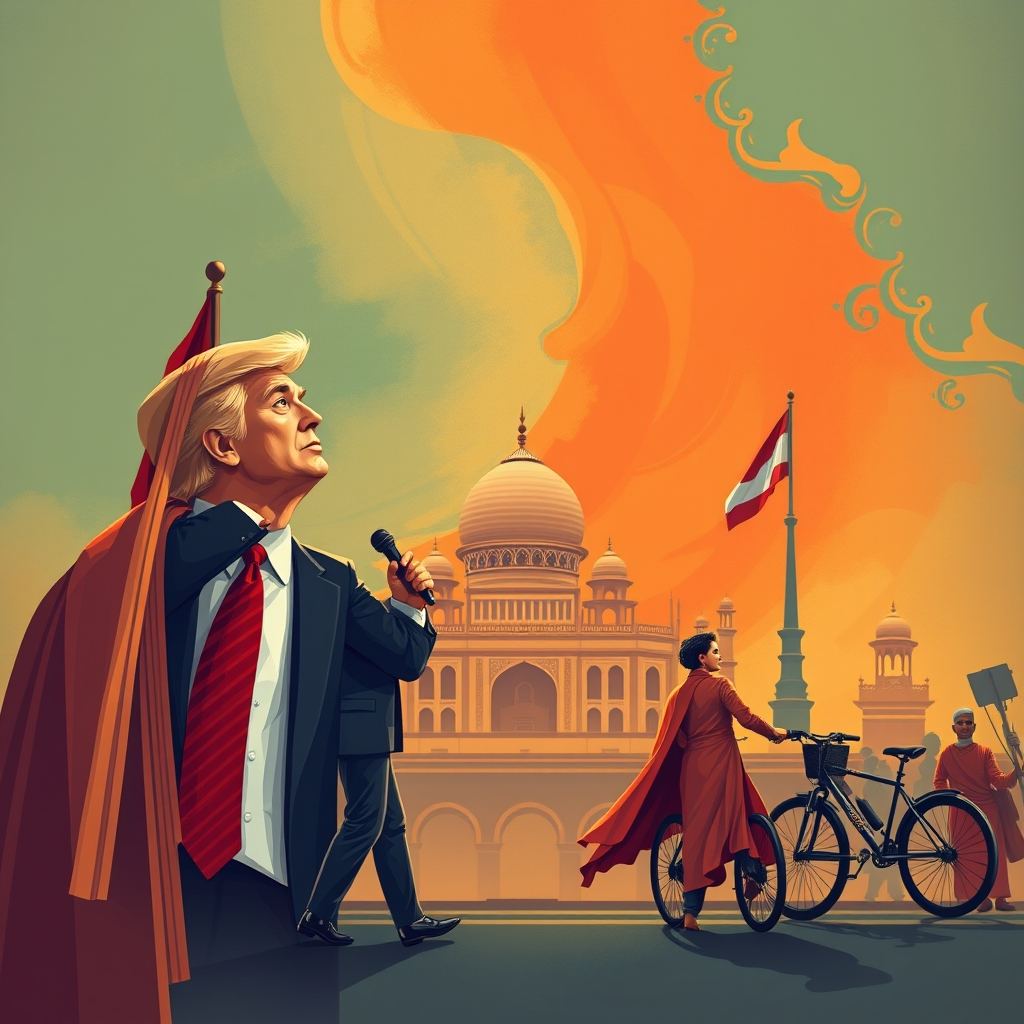
Trump and Meloni’s Strained Ties: Assessing the Impact of the Iran Conflict
US President Donald Trump has publicly criticized Italian Prime Minister Giorgia Meloni, stating that their relationship has "soured" due to her refusal to align with US interests regarding the conflict with Iran. While describing Meloni as a "nice person," Trump noted that her policy stance constitutes a significant "mistake" in the context of the ongoing geopolitical tensions in the Middle East.
The Core of the Diplomatic Friction
The recent rift between Washington and Rome centers on divergent strategies regarding the escalating conflict involving Iran. According to President Trump, Meloni’s refusal to provide unconditional support for US-led military or strategic maneuvers in the Iran conflict has created a rift between the two leaders. This disagreement marks a significant departure from the perceived cohesion between the US and its key European allies.
This diplomatic tension is not an isolated incident; it follows previous friction where Trump made claims regarding Meloni requesting a photograph, adding a personal dimension to the political dispute. In response to Trump’s provocative social media remarks, the Italian government has adopted a policy of silence, deciding to stop responding to his digital provocations. Meanwhile, Meloni’s office has declined to comment on their scheduled meeting at the upcoming NATO summit, signaling a cautious and guarded approach to bilateral engagement.
Shifting Dynamics within the NATO Alliance
The fallout between Trump and Meloni highlights a growing volatility within the NATO framework. As the US shifts toward a more transactional approach to foreign policy, European leaders like Meloni are finding it increasingly difficult to balance traditional Atlanticist loyalty with sovereign strategic interests. Meloni’s refusal to back the US position on Iran suggests that European powers may be seeking more autonomy in managing Middle Eastern instability, rather than following a Washington-centric directive.
This friction at the NATO summit could set a precedent for how other European nations navigate a second Trump administration. If a key G7 partner like Italy chooses to prioritize its own strategic assessments over US-led military alignment, it could signal a fragmentation of the Western unified front, particularly concerning Middle Eastern security architectures.
Implications for Global Security Architectures
The disagreement underscores the unpredictable nature of US-European relations when it comes to "hot" conflicts. For the international community, the Meloni-Trump dispute illustrates the difficulty of maintaining a cohesive deterrent against Iran when the primary Western powers are at odds over the scale and nature of military involvement. The tension highlights a move away from institutional consensus toward a more unpredictable, leader-centric diplomacy that relies heavily on personal rapport and immediate political alignment.
What It Means for India
- Strategic Autonomy Validation: The Meloni-Trump dispute reinforces the importance of India’s policy of "strategic autonomy." As major powers clash over regional conflicts, India's ability to maintain independent stances on issues like Iran demonstrates the necessity of multi-aligned diplomacy.
- Navigating Transactional Diplomacy: The volatility in US-Italy relations serves as a reminder for New Delhi to prepare for a more transactional US foreign policy. India must continue to diversify its strategic partnerships to mitigate risks associated with sudden shifts in US leadership priorities.
- Middle East Security Stability: Any fragmentation in Western unity regarding Iran could lead to increased volatility in the Middle East. For India, which has significant energy interests and a large diaspora in the Gulf, a fractured Western approach necessitates a more proactive and independent role in regional de-escalation efforts.