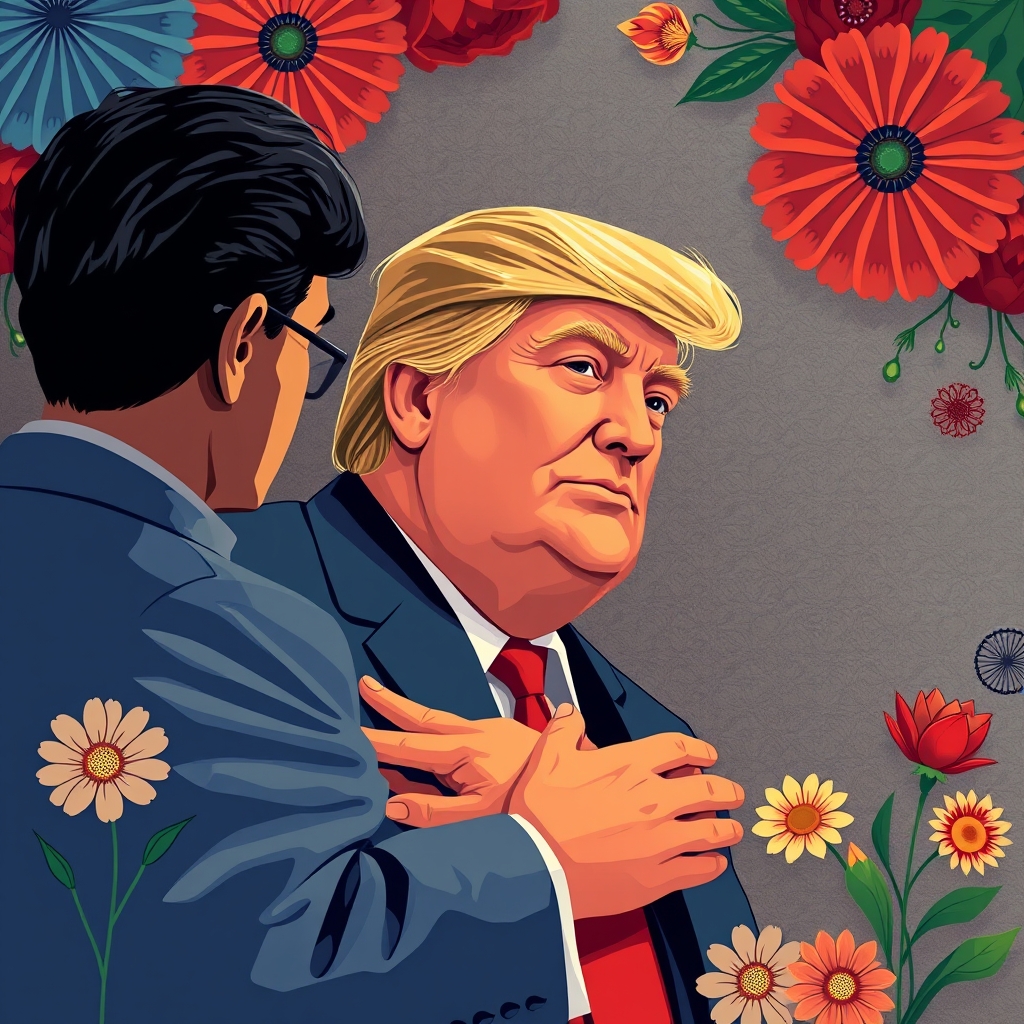
Trump Faces Awkward Moment as WSJ Wins Awards for Epstein Report
The White House Correspondents' Association dinner took an unexpected turn as President Donald Trump confronted the journalistic success of the Wall Street Journal. The evening highlighted the deepening friction between the US Presidency and the media following the publication of a controversial report regarding the President's past ties to Jeffrey Epstein.
The Award-Winning Epstein Report
The tension at the Waldorf Astoria Washington DC stemmed from the Wall Street Journal’s investigative reporting, which earned multiple accolades during the ceremony. The journalists were honored for uncovering a 2003 birthday message reportedly written by Donald Trump to the late financier Jeffrey Epstein.
According to the reporting, the message referred to Epstein as a "pal" and included suggestive drawings and allusions to shared secrets. This revelation has become a focal point of political scrutiny, despite Trump’s repeated denials. The President has maintained that he did not write the letter, that the signature is not his, and that he severed all ties with Epstein long before the financier's criminal investigations and subsequent death in a New York jail cell.
Legal Battles and Media Confrontation
The accolades for the WSJ added a layer of complexity to President Trump's ongoing $10 billion defamation lawsuit against the newspaper, its parent company, and media mogul Rupert Murdoch. Trump has labeled the report "false" and "malicious," arguing that the document in question does not exist.
While a federal judge ruled in April that Trump had failed to meet the legal threshold of "actual malice" required for a defamation suit, the President has since filed an amended complaint to keep the litigation alive. During his speech at the dinner, Trump did not mince words, describing the experience of hearing the journalists praised as "not an easy evening" and labeling WSJ chief political correspondent Josh Dawsey as "unhireable."
A Landscape of Political Instability
This standoff represents more than just a personal dispute between a leader and a news outlet; it reflects a broader, systemic struggle in the United States regarding the role of the press and the verification of historical truth. As the legal proceedings continue, the fallout from the Epstein-related reporting threatens to remain a significant distraction in the American political landscape, impacting the perceived stability of the US executive office.
What It Means for India
The ongoing friction between the US Presidency and major media institutions carries significant implications for India’s strategic and diplomatic environment:
- Predictability in US Foreign Policy: For New Delhi, the domestic political volatility in Washington can lead to sudden shifts in policy priorities. A US administration deeply embroiled in protracted legal battles and media warfare may face internal distractions that impact the continuity of bilateral strategic initiatives.
- Information Integrity and Digital Diplomacy: As India continues to navigate its own complex relationship with social media and "fake news," the high-profile legal disputes in the US serve as a case study for how information, even when legally contested, can shape global political narratives and influence public perception.
- Impact on Global Media Standards: The outcome of Trump’s defamation lawsuit will set a significant legal precedent regarding the "actual malice" standard. This will influence how international news organizations report on global leaders, affecting the type of investigative journalism that can be conducted regarding high-ranking officials in partner nations like India.