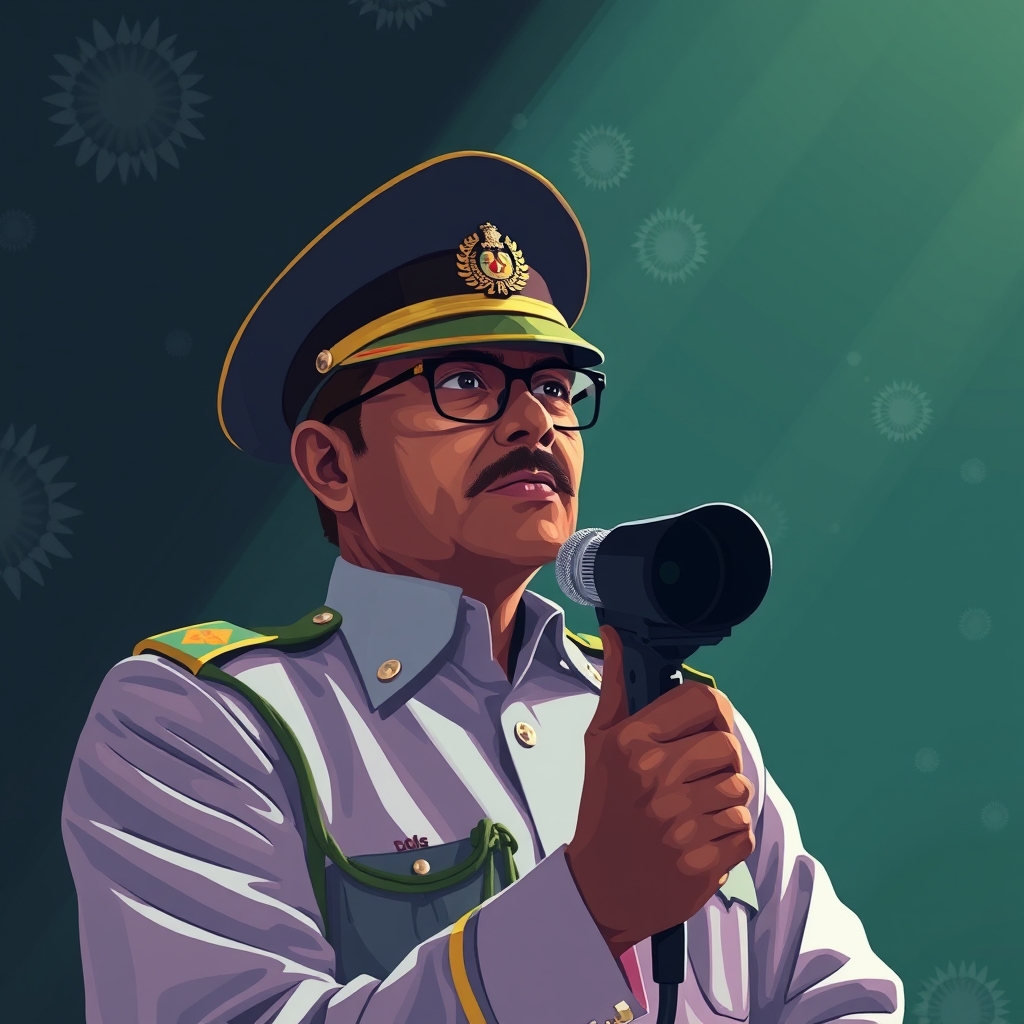
Uganda Military Chief Targets Free Press in Major Crackdown on Media
The military leadership in Uganda has signaled a severe crackdown on journalistic independence, with the nation's military chief declaring a public disdain for the concept of a free press. This aggressive stance follows direct orders to shut down several major media outlets, marking a significant escalation in the government's control over the national information landscape.
Direct Assault on Journalistic Independence
In a move that has sent shockwaves through East Africa, the Ugandan military chief has openly challenged the foundational principles of democratic discourse. By stating, "I do not believe in free press," the military leadership has provided a clear ideological justification for the recent suspension and shutdown of prominent media houses. This is not merely a localized administrative action but a deliberate strategic decision to consolidate state control over the narrative within Uganda.
The shutdown orders targeting major outlets appear to be part of a broader pattern of suppressing dissent and limiting the ability of journalists to report on sensitive political and military matters. Such actions often precede shifts in governance where the state seeks to eliminate oversight and ensure that the only available information is state-sanctioned.
Escalating Tension in the East African Corridor
Uganda’s internal crackdown on media freedom comes at a time of heightened regional sensitivity. The suppression of information often serves as a precursor to more significant shifts in domestic policy or military positioning. For the surrounding East African Community (EAC) nations, the move signifies a potential regression toward authoritarianism in a region that has historically sought to balance stability with democratic growth.
The military's direct involvement in regulating the press suggests a blurring of the lines between national security apparatuses and civilian administrative functions. When the military takes an active role in controlling the flow of information, it typically indicates a period of heightened internal friction, where the state views independent reporting as a direct threat to national stability rather than a component of a healthy democracy.
Global Implications and the Democratic Deficit
The declaration by Uganda’s military leadership reflects a growing global trend where security-centric governance is being used to justify the erosion of civil liberties. This "securitization" of the information space poses a challenge to international norms regarding human rights and freedom of expression. As major media outlets face closure, the ability of international observers and human rights organizations to monitor the situation on the ground is severely diminished.
This development places regional neighbors and international partners in a delicate position, forced to navigate the complexities of maintaining diplomatic and trade relations with a state that is increasingly prioritizing military control over transparent governance.
What It Means for India
- Diplomatic Balancing Act: India, which maintains strong bilateral ties with Uganda through developmental assistance and trade, will need to navigate the tension between supporting democratic values and maintaining stable strategic partnerships in East Africa.
- Regional Security Monitoring: As a key player in the Global South, India must closely monitor the rise of military-led information control in the EAC, as it could impact regional stability and the security of Indian investments and diaspora populations in the region.
- Influence in the Global South: The shift toward authoritarian information management in African nations presents a challenge to India’s soft power, as New Delhi seeks to project itself as a leading voice for democratic and rules-based international order.